

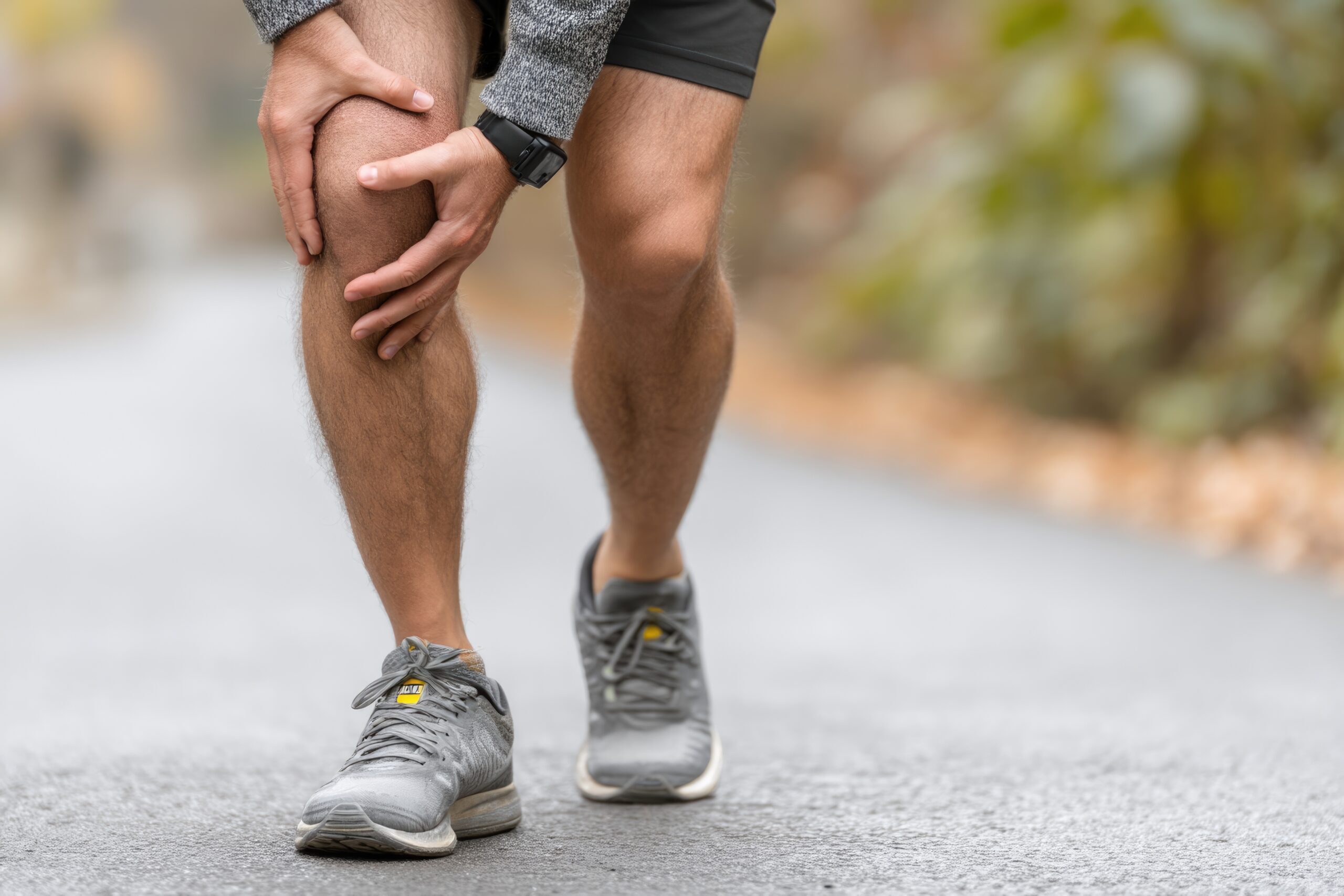
Hearing a crack or pop in your knee can feel alarming. The sound may happen when standing up, walking, bending, or squatting. Many people wonder “why my knees crack” because they are unsure whether the noise is normal or something more serious.
In many cases, knee cracking is harmless. However, certain patterns of cracking combined with pain or swelling may need medical evaluation.
Why Do My Knees Crack All the Time?
Frequent knee cracking is one of the most common concerns patients mention. The knee is a complex joint made of bones, cartilage, ligaments, tendons, and joint fluid. As these structures move together, sound can occur.
Common reasons knees crack include:
- Small gas bubbles forming and popping inside joint fluid
- Tendons or ligaments shifting slightly as the knee bends
- Natural age related cartilage changes
- Muscle tightness affecting kneecap movement
This sound is known as crepitus. According to the American Academy of Orthopaedic Surgeons, painless joint popping is often part of normal movement. If cracking happens without pain, swelling, or stiffness, it may not be dangerous.
Why Does My Knee Crack When I Bend It or Walk?
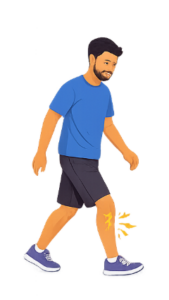
The knee must glide smoothly each time it bends. When walking, climbing stairs, or rising from a chair, the kneecap moves within a groove at the end of the thigh bone.
If the surrounding muscles are tight or the joint surfaces are slightly uneven, a cracking sound may occur. This does not automatically mean there is damage.
However, cracking that is paired with discomfort, catching, or instability may indicate irritation within the joint.

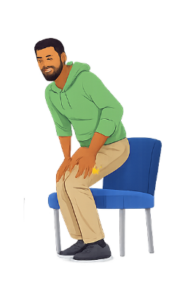

Why Do My Knees Crack When I Squat?
Squatting causes increased pressure on the knee joint. That added pressure can make normal joint sounds louder or more noticeable.
During a squat:
- The kneecap presses firmly against the thigh bone.
- Cartilage surfaces glide against each other.
- Joint pressure increases temporarily.
- Tight muscles can change tracking patterns.
If cartilage is irritated or slightly worn, the sound may be more pronounced.
Is Cracking Knees a Sign of Arthritis?
Cracking alone does not confirm arthritis. Osteoarthritis typically develops gradually and may include pain, stiffness, or swelling.
The Centers for Disease Control and Prevention note that common arthritis symptoms include joint pain and reduced range of motion.
If knee cracking is accompanied by persistent discomfort or morning stiffness, further evaluation may help determine whether cartilage changes are present.
Is It Bad to Crack Your Knees?

A common concern is whether cracking the knee on purpose can cause damage. In most cases, occasional painless cracking during normal movement is not harmful, and there is no strong evidence that it stunts growth. However, repeatedly forcing a joint to pop may irritate nearby tissues. New pain, swelling, or noticeable changes in symptoms are reasons to consider medical evaluation.
When Should Knee Cracking Be Checked?
Medical evaluation may be appropriate if knee cracking occurs along with:
- Swelling
- Locking or catching
- Ongoing pain
- A feeling of instability
An orthopedic examination can help determine whether imaging or additional treatment is necessary.
Frequently Asked Questions About Knee Cracking
Why do my knees crack all the time?
Frequent knee cracking is commonly related to normal joint movement, gas bubbles in joint fluid, or mild cartilage wear.
What does it mean when your knees crack?
It often reflects natural joint motion. When combined with pain or swelling, it may suggest inflammation or cartilage changes.
Is it bad to crack your knees?
Painless cracking during normal movement is generally not harmful. Forcing the joint repeatedly may irritate surrounding tissues.
Why does my knee crack when I walk?
Walking requires smooth joint motion. Tight muscles or slight surface irregularities can produce sound.
Is cracking knees a sign of arthritis?
Cracking alone does not confirm arthritis. Persistent pain and stiffness are more typical warning signs. Knee cracking is often part of normal joint movement.
 About Dr. Joseph Tauro
Joseph Tauro, MD is a board certified orthopedic surgeon serving patients in Toms River, New Jersey. He specializes in knee, shoulder, and hip conditions, including joint preservation, cartilage restoration, and minimally invasive surgical techniques.
Dr. Tauro is a Clinical Professor of Orthopedic Surgery at Rutgers New Jersey Medical School and a Master Instructor for the Arthroscopy Association of North America. His background in arthroscopic and advanced joint procedures supports the evaluation and treatment of sports injuries and degenerative knee conditions that may contribute to symptoms such as pain, stiffness, or knee cracking.
Taking the Next Steps in Your Care
Advanced Orthopedics and Sports Medicine Institute is an orthopedic practice offering spine care, sports medicine, physical therapy, chiropractic care, podiatry, and comprehensive orthopedic services.
AOSMI serves patients across 6 New Jersey locations, including the Toms River office where Dr. Tauro evaluates and treats patients. To visit Dr. Tauro in Toms River, request an appointment or call us at 732-341-6226.
To learn more or schedule at a different AOSMI location, please call 732-720-2555.
The #1 Knee Mistake and 4 Common Causes Explained
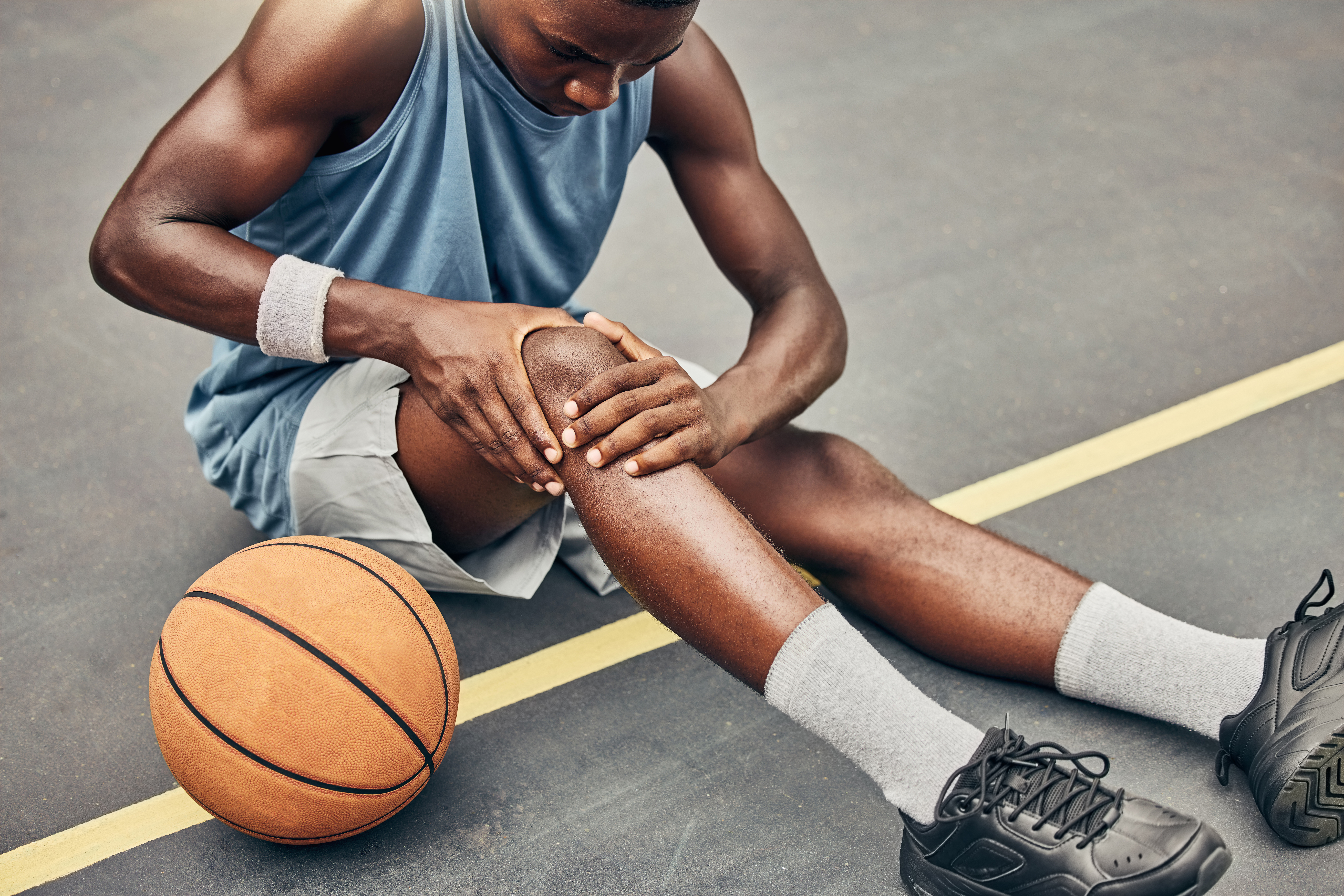
What Is the Most Painful Knee Problem?
Knee pain can be sharp, dull, or constant—but certain injuries are known to cause especially intense discomfort. According to Dr. Garret Sobol, a fellowship-trained orthopedic sports medicine specialist at AOSMI, the knee’s complex structure makes it vulnerable to a few particularly painful conditions.
The most painful knee problems may include:
ACL (anterior cruciate ligament) tears: Often cause sudden pain and instability after a quick turn or jump.
Meniscus tears: The cartilage can tear during twisting motions, leading to sharp pain and locking.
Advanced Osteoarthritis: The protective cartilage wears down, creating bone-on-bone pain that worsens over time.
Knee fractures: Direct trauma can cause severe pain, swelling, and difficulty moving the knee.
Each condition can significantly limit activity and may require individualized orthopedic evaluation to determine the most effective care options.
What Is the #1 Knee Mistake?
The most common mistake patients make with knee pain is ignoring early symptoms. Many people continue training, running, or climbing stairs, assuming the pain will fade. Unfortunately, in some cases, this may lead to worsening injury.
Dr. Sobol explains that “even minor knee pain may signal inflammation, a small tear, or overuse strain. Continuing to push through discomfort can increase the risk of chronic pain or long-term joint issues.”
If your knee pain persists for more than a few days or interferes with daily activities, it’s important to get evaluated. Early diagnosis often helps prevent more complex conditions later.
What Are Four Common Causes of Knee Pain?
Knee pain can affect people of all ages, from athletes to active adults, and it often develops for specific, preventable reasons.
Dr. Sobol explains that “four common causes of knee pain include overuse injuries, arthritis, ligament injuries, and meniscus or cartilage tears.”
Each condition affects the knee in a different way:
- Overuse injuries: Repetitive motions such as running, squatting, or jumping can irritate the tendons and cartilage around the joint, leading to inflammation and soreness.
- Osteoarthritis: Degenerative or inflammatory changes can wear away protective cartilage, causing stiffness, swelling, and long-term discomfort.
- Ligament injuries: Sudden stops, pivots, or impacts during sports can stretch or tear key stabilizing ligaments like the ACL, MCL, or PCL.
- Meniscus or cartilage tears: A twisting motion under pressure can tear the cushioning structures inside the knee, leading to pain, catching, or locking sensations.
Each cause may feel different, which is why a professional assessment helps determine the safest and most effective recovery plan.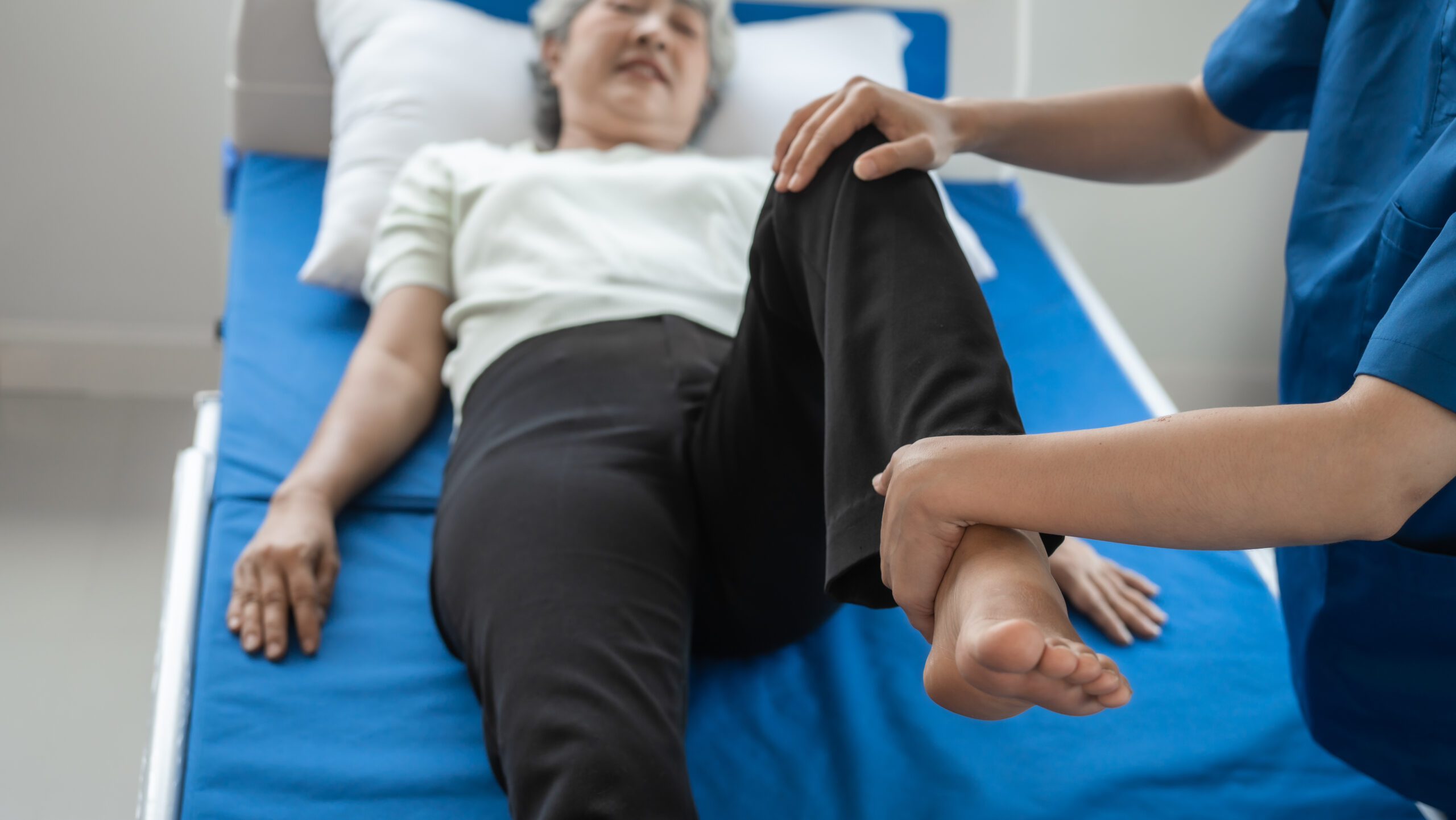
When to See an Orthopedic Specialist
It may be time to see an orthopedic specialist if your knee pain:
- Persists longer than a few days
- Causes swelling, locking, or instability
- Limits your ability to walk or bend comfortably
- Follows an injury or audible “pop”
FAQs
Q: What can make knee pain worse?
Ignoring pain, skipping rest, or continuing high-impact exercise can worsen symptoms.
Q: Should I ice or heat a painful knee?
Ice may help reduce swelling after an injury; heat can ease stiffness once inflammation improves.
Request an Appointment with Dr. Garret Sobol in Freehold or Monroe
Garret L. Sobol, MD, FAAOS is a Board-Certified Orthopedic Surgeon and Fellowship-Trained Sports Medicine Specialist at Advanced Orthopedics and Sports Medicine Institute (AOSMI) in Freehold and Monroe, NJ. He provides comprehensive care for sports-related injuries and degenerative conditions of the shoulder, elbow, hip, and knee, emphasizing conservative treatment and patient-centered care.
*This blog from AOSMI is intended for educational purposes only. It is not a substitute for professional medical advice, diagnosis, or treatment. Patient outcomes are not guaranteed, and results may vary. Always consult a qualified healthcare professional for personalized care.
Undergoing a total knee replacement can be a transformative experience, offering relief from chronic pain and improved mobility. However, the road to recovery involves careful planning and adherence to rehabilitation strategies to ensure the best outcomes. Here are some essential tips to help you navigate life after your knee replacement surgery.
Follow Your Rehabilitation Plan
One of the most crucial aspects of recovery is following your prescribed rehabilitation plan. Physical therapy plays a key role in regaining strength, flexibility, and range of motion in your new knee. Your therapist will guide you through exercises designed to improve joint function and reduce stiffness. Consistency is key, so make sure to adhere to the exercise regimen and attend all scheduled therapy sessions.
Manage Pain and Swelling
Post-surgical pain and swelling are common, but effective management can significantly enhance your comfort and recovery speed. Use prescribed pain medications as directed and apply ice packs to reduce swelling. Elevating your leg and following any additional pain management techniques suggested by your healthcare provider will also aid in a smoother recovery.
Gradual Return to Activities
While it’s important to stay active, it’s equally important to ease back into your daily activities gradually. Avoid high-impact exercises and strenuous activities until your knee has healed sufficiently. Your healthcare provider will provide guidance on when you can safely resume various activities, including driving, walking, and other physical tasks.
Monitor for Complications
Be vigilant for signs of complications, such as excessive swelling, redness, or unusual pain. Contact your healthcare provider if you experience any concerning symptoms or if your recovery isn’t progressing as expected.
Stay Positive and Patient
Recovery from total knee replacement is a gradual process, and maintaining a positive mindset can greatly impact your overall experience. Be patient with yourself and celebrate small victories along the way.
Turn to AOSMI for Support
At AOSMI, our team is dedicated to supporting you through every stage of your recovery journey. From personalized rehabilitation plans to expert care, we’re here to help you achieve a successful recovery. Reach out to us today to learn more about our services and how we can assist you in getting back to your best self.
When you are dealing with a torn anterior cruciate ligament, also known as the ACL, you may be wondering how you can get back to full functionality as quickly and safely as possible. While ACL injuries are quite common, they can be challenging to recover from. The good news is that many of the latest advances in ACL injury treatment are transforming recovery outcomes. Take a look at some of the cutting-edge treatment options you may want to consider below.
Double-Bundle Surgical Techniques
Unlike single-bundle reconstruction, the double-bundle technique used in surgery is better able to match the natural anatomy of the ACL. As a result, this technique provides improvement in knee stability and long-term functional outcomes.
Advanced Graft Choices
Another surgical advancement is the use of hamstring autografts and quadriceps tendon grafts. These grafts have shown less donor site morbidity than the more conventionally used patellar tendon grafts. Furthermore, they offer better healing properties.
Enhanced Healing With Biologics
The use of biologics has also been shown to promote healing and cell regeneration while lowering inflammation. For example, platelet-rich plasma and stem cell therapies can be integrated into the ACL repair process to speed up tissue repair.
Robot-Assisted or VR Rehabilitation
ACL surgery rehabilitation has also witnessed the power of innovation through the use of robot-assisted therapy and virtual reality. Both of these technologies can be leveraged to make rehabilitation exercises more precise and more effective.
Turn to AOSMI For Cutting-Edge ACL Injury Treatment
At AOSMI, we make use of some of the latest advances in the field of orthopedics to offer individualized care for our patients. If you are in need of ACL injury treatment, reach out to us today to request an appointment.
Knee pain can significantly hinder your daily activities and athletic performance. At Advanced Orthopedics and Sports Medicine Institute (AOSMI), we understand how knee pain can affect your quality of life and are dedicated to restoring your knee strength and mobility and helping you manage your pain. AOSMI’s Dr. Michael Greller has extensive experience effectively treating knee pain and its many causes.
About the Author: Michael J. Greller, MD, MBA, President and Managing Partner of AOSMI, is a Board-Certified Orthopedic Surgeon with Fellowship Training in Sports Medicine, specializing in shoulder, knee, ankle, and hip disorders. Committed to a patient-centered, conservative approach, he helps patients recover swiftly and return to their active lifestyles. He trained at the New York University (NYU) Hospital for Joint Diseases Orthopedic Institute and at Temple University, which afforded him the opportunity to work with high level athletes. Over the course of his career, he has worked with collegiate and professional athletes across disciplines, including dance, football, basketball, and tennis. He has worked as a physician with the U.S. Open Tennis Tournament, Temple Football and Basketball, and the Alvin Ailey Dance Theater. Dr. Greller’s experience with professional athletes uniquely equips him to offer world-class care, meticulously tailored to your specific needs. Dr. Greller excels in advanced minimally invasive techniques and innovative procedures such as the BEAR ACL Implant, the MACI cartilage repair, orthobiologics, and regenerative medicine.
Causes of Knee Pain
Knee pain can stem from various issues, including sports injuries, degenerative conditions, and overuse injuries. In this section, we will discuss each cause of knee pain and its symptoms in detail.
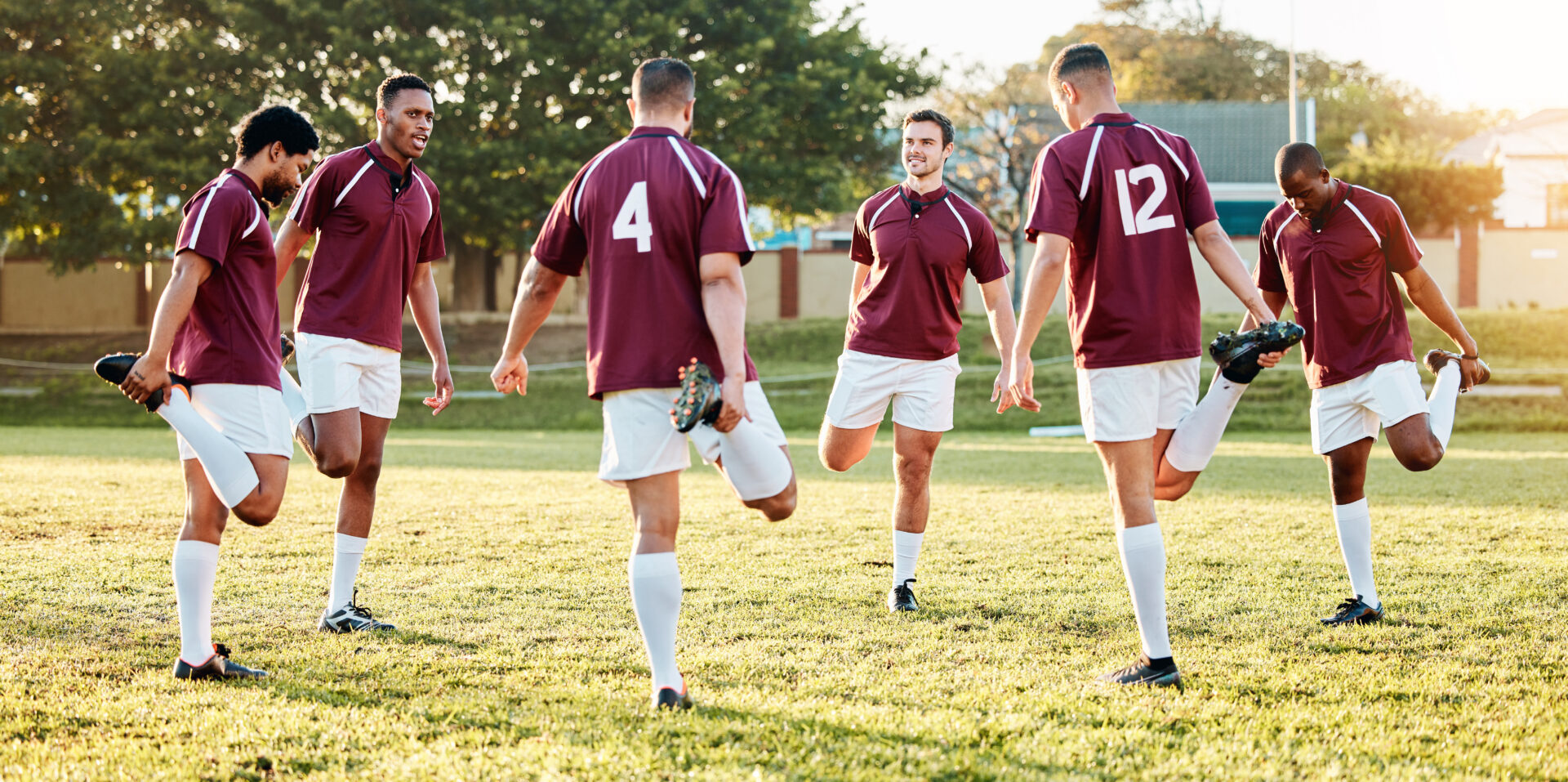
Overuse Injuries:
- Patellofemoral Pain Syndrome: Also known as “runner’s knee,” or jumper’s knee, this condition results from repetitive motion and stress on the knee joint. Patients experience a dull pain felt at the front of the knee, particularly behind or around the kneecap. Athletes often experience this, especially when improper alignment or muscle imbalance exacerbates it.
- Patellar Tendonitis: Also part of “runner’s knee” or “jumper’s knee,” this condition is also common among athletes who frequently run and jump. It involves inflammation of the patellar tendon, which connects the kneecap to the shinbone; the patellar tendon works with the muscles in the front of your thigh to allow you to straighten your knee, allowing you to run, jump, and kick. Symptoms include pain around the kneecap during running and jumping. The main pain in patellar tendonitis is usually sharp and localized to just below the kneecap. It often intensifies during activities that involve jumping, running, or sudden changes in direction. The pain is also felt when the tendon is pressed or palpated, and it can be more pronounced during or after physical activity.
- Iliotibial Band Syndrome (ITBS): When the iliotibial band, a thick band of tissue running from the hip to the shin, becomes tight or inflamed, it causes ITBS. It commonly affects runners and cyclists, causing pain on the outside of the knee.
- Stress Fractures: Stress fractures are tiny cracks in the bone that occur due to repetitive force or overuse, often seen in athletes engaged in high-impact sports such as running or basketball. In the knee, stress fractures can develop in the patella (kneecap) or the tibia (shinbone). Symptoms include localized pain that worsens with activity and improves with rest, swelling, and tenderness. Early diagnosis and management are crucial to prevent the fractures from worsening, which may include rest, modified activity, and physical therapy to address any contributing biomechanical issues.
Sports Injuries:
- ACL Tears: The Anterior Cruciate Ligament (ACL) stabilizes the knee during rotational movements. ACL tears often occur in sports that involve sudden stops and changes in direction, like soccer, basketball, skiing, and pickleball. When you tear your ACL, you may hear a loud “pop.” Symptoms include severe pain, rapid swelling, and instability.
- Meniscus Tears: The menisci are C-shaped pieces of cartilage that act as shock absorbers in the knee joint. Twisting or turning quickly, often with the foot planted and the knee bent, can cause tears. Symptoms include pain, swelling, clicking, and difficulty moving the knee
- MCL Injuries: The Medial Collateral Ligament (MCL) runs along the inner part of the knee and helps stabilize it. MCL injuries often result from a direct blow to the outside of the knee, common in contact sports like football and hockey. Symptoms include pain, swelling, and a feeling of instability in the knee.
Degenerative Conditions:
- Knee Osteoarthritis: This wear-and-tear form of arthritis occurs when the cartilage cushioning the ends of bones in the knee joint gradually deteriorates. This leads to pain, stiffness, and decreased mobility, particularly in older adults.
- Rheumatoid Arthritis: An autoimmune disorder, rheumatoid arthritis causes the body’s immune system to attack its tissues, including the joints. This results in painful swelling, joint deformity, and erosion of bones and cartilage.
Diagnosing Knee Pain with Evaluation and Testing
The importance of a thorough evaluation and proper testing to achieve an accurate diagnosis cannot be overstated. Consult the knee pain experts at AOSMI to ensure you receive a proper diagnosis founded on many years of knowledge and experience.

Evaluation: An orthopedic physician must conduct a thorough evaluation to ensure an accurate diagnosis. This includes:
- Medical History: Discussing your symptoms, activity level, and any previous injuries or conditions with your knee pain specialist.
- Physical Examination: Assessing the range of motion, swelling, tenderness, and stability of the knee.
Tests:
- Joint Aspiration: Also known as arthrocentesis, this involves drawing fluid from the knee joint with a needle. The fluid can be analyzed for signs of infection, gout, or other conditions causing knee pain.
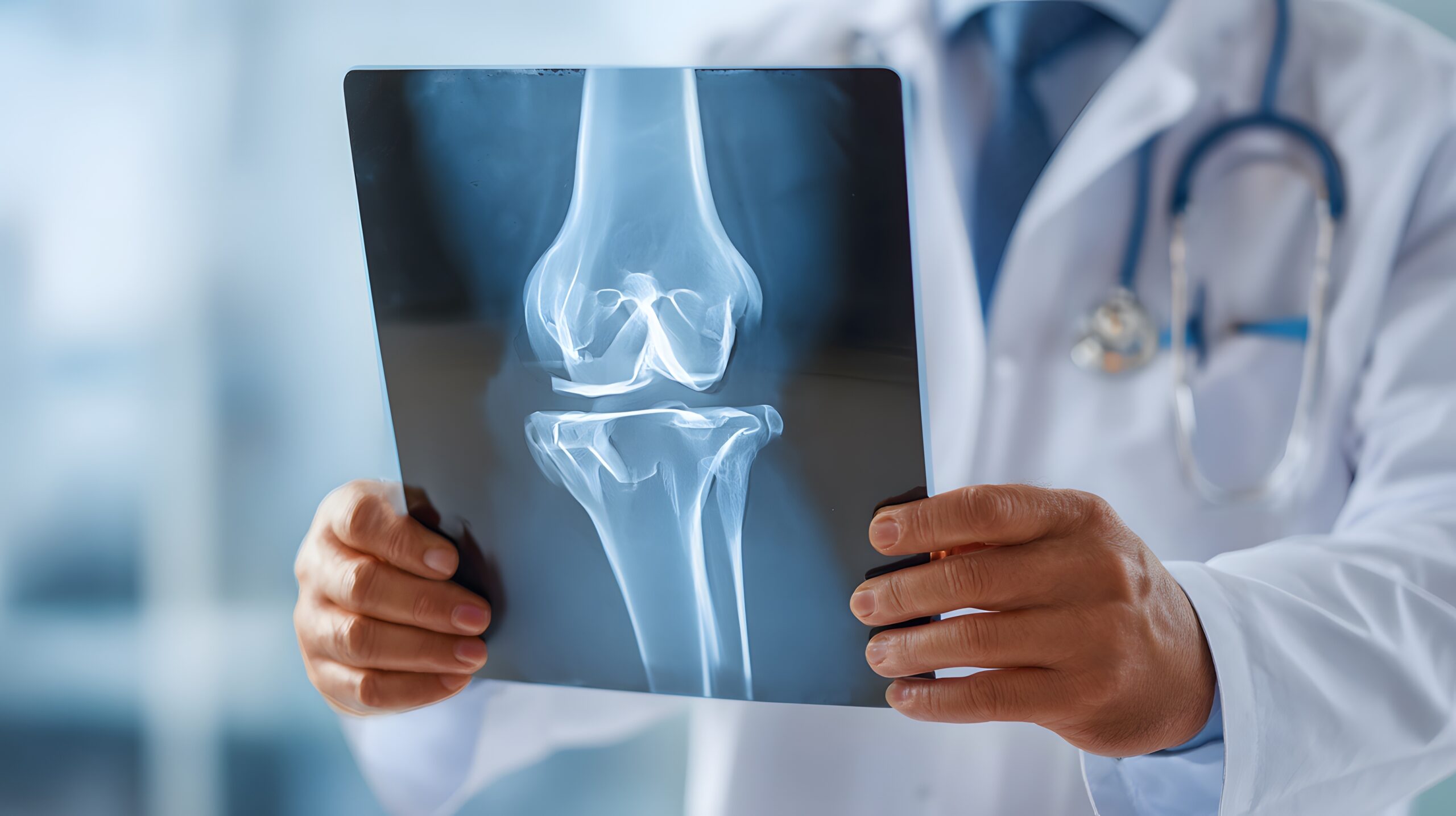
- Diagnostic Imaging: X-rays can reveal bone damage or alignment issues.
- Advanced Diagnostic Imaging: MRI scans provide detailed images of soft tissues, including ligaments, tendons, and cartilage. CT scans offer detailed cross-sectional images of bones and joints. Bone scans detect abnormalities such as fractures, infections, or tumors by using a small amount of radioactive material that highlights areas of bone metabolism, revealing issues not visible on standard X-rays.
Knee Pain Treatment Options
Various treatment options, ranging from conservative (non-surgical) management techniques to advanced surgical interventions, help alleviate knee pain and improve functional strength. Consulting with the orthopedic knee pain specialists at AOSMI will help you find the right treatment option for your circumstances.
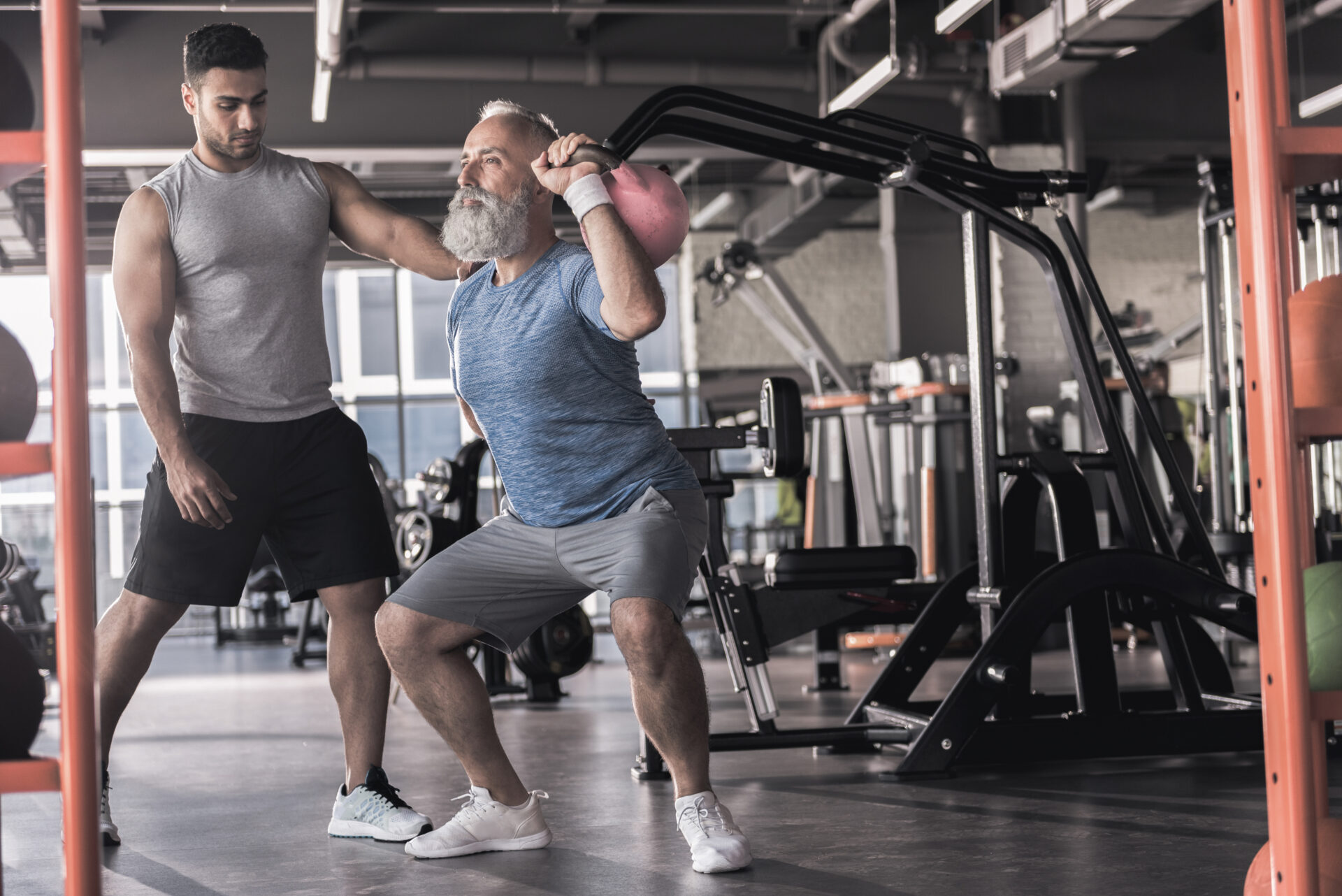
- Non-Surgical Knee Pain Treatment:
- RICE: Rest, Ice, Compression, and Elevation (RICE) is a first-line treatment approach for acute knee injuries. Rest the knee to avoid weight-bearing, use ice packs for 20 minutes several times a day (wrapped in a cloth to protect the skin), apply a soft bandage for compression, and elevate the knee above heart level to reduce swelling.
- Activity Modification: It is crucial to reduce or modify activities that exacerbate knee pain. This might involve switching to low-impact exercises such as swimming, cycling, or using an elliptical machine. These activities minimize stress on the knee while maintaining fitness. You should also avoid repetitive knee stressors and incorporate rest periods to prevent overuse injuries.
- Medication Management: Nonsteroidal anti-inflammatory drugs (NSAIDs) are commonly used to manage knee pain by reducing inflammation and providing pain relief. Common over-the-counter NSAIDs include ibuprofen (Advil, Motrin), naproxen (Aleve), and aspirin.
- Physical Therapy: Tailored exercises and stretches strengthen the muscles around the knee, improve flexibility, and reduce pain.
- Bracing: Knee braces provide support and stability, particularly for those with ligament injuries or instability.
- Corticosteroid Injections: These anti-inflammatory injections offer significant pain relief by reducing inflammation within the knee joint.
- Surgical Interventions for Knee Issues:
- Joint Preservation Surgery: Key procedures include
- Matrix-Associated Autologous Chondrocyte Implantation (MACI), a cutting-edge regenerative procedure in which the patient’s own cartilage cells, harvested arthroscopically, are cultured and then transplanted into the damaged area for effective repair. MACI works by using a small sample of your own cartilage to grow new cells. These cells are then used to create strong repair tissue for your damaged knee cartilage. MACI can help reduce pain, improve knee function, and provide long-lasting results, helping you get back to the activities you love. These methods help preserve the natural knee joint and delay the need for a total knee replacement, especially beneficial for younger patients.
- Osteochondral Allograft Transplant: this procedure uses donor bone and cartilage plugs to repair large areas of damaged cartilage. It is typically used when there are extensive defects that cannot be repaired using the patient’s own tissue.
- Osteochondral Autograft Transfer System (OATS): this involves transferring bone and cartilage from a non-weight-bearing area of the patient’s own joint to a damaged area. OATS is effective for smaller defects and helps restore the joint surface with the patient’s own tissue, promoting a natural repair.
- Implants: implants are crucial for repairing a variety of injuries and conditions – including repairing cartilage that has become loose in the knees. The direct fixation procedure involves using specialized implants or anchors to secure damaged structures such as cartilage or ligaments directly within the knee joint, promoting stability and optimal healing. In orthopedic procedures, sutures play a crucial role. Sutures are medical threads specially designed to stitch or secure tissues together. In knee cartilage repair, sutures are used to anchor and stabilize loose cartilage fragments back into their original position within the joint. This process restores the integrity of the cartilage surface, which is essential for smooth joint movement and reduced pain during activities.
- Microfracture: an arthroscopic technique that stimulates cartilage regeneration by creating tiny fractures in the underlying bone, encouraging new cartilage growth.
- Osteochondritis Dissecans (OCD) Fixation: is a treatment for cartilage injuries in the knee. This method uses special, bioabsorbable tools like the PLLA Chondral Dart and Bio-Compression Screws to repair the damage. The Chondral Dart secures the cartilage in place without touching sensitive joint surfaces, while the Bio-Compression Screw provides strong, secure fixation for larger injuries without the complications that can come with metal screws. These tools are bioabsorbable, which means that they gradually dissolve in the body, eliminating the need for removal surgery and reducing the risk of irritation. This approach helps the cartilage heal properly, allowing you to return to your normal activities.
- IntraOsseous BioPlasty (IOBP): is a treatment for stubborn bone injuries called bone marrow lesions (BMLs). These can happen from conditions like fractures, osteoarthritis, bone bruises, and dead bone tissue (osteonecrosis). If regular treatments don’t help, IOBP might be the solution. This procedure has two main steps, decompression and injection. Decompression: The damaged area in the bone is carefully decompressed to relieve pressure. Injection: A special mix of healing materials is injected into the area. This mix includes platelet-rich plasma (cPRP) from your own bone marrow, combined with a bone matrix substance. This mix helps your bone heal naturally by providing a structure for new bone to grow, growth factors to stimulate repair, and stem cells to generate new bone tissue. The goal is to relieve pain and improve bone health.
- Arthroscopic Procedures: Minimally invasive arthroscopic surgery involves small incisions and the use of a camera to guide the surgeon. This approach minimizes tissue damage and reduces recovery time.
- Surgeons commonly perform procedures such as ACL reconstruction and meniscus repair arthroscopically.
- Patella Stabilization and Re-alignment Procedures: These procedures address issues with kneecap (patella) instability and misalignment. Techniques may include realigning the patella, tightening or releasing surrounding tissues, and stabilizing the knee joint to prevent dislocations and improve knee function.
- Advanced Surgical Procedures: One of the latest innovations in ACL treatment is BEAR (Bridge-Enhanced ACL Restoration), the first procedure approved by the U.S. Food and Drug Administration (FDA) that enables the body to heal its own torn ACL. This technique uses a special implant to stimulate the body’s natural healing process, offering an alternative to traditional ACL reconstruction. Dr. Greller first performed the BEAR Implant procedure in 2022. Restoring the ligament instead of replacing it has several advantages – clinical studies have shown faster recovery of muscle strength and higher patient satisfaction regarding readiness to return to sport compared to traditional ACL reconstruction, which remains the standard of care today.
- Joint Preservation Surgery: Key procedures include
-
-
- This is a rapidly growing field. Our surgeons are constantly using novel techniques to help patients return to sports and quality of life activities. By integrating the latest advancements and innovative procedures, we strive to provide our patients with the best possible outcomes and the quickest path to recovery.
-
Visit AOSMI for Expert Knee Pain Treatment
If you’re suffering from knee pain, don’t let it limit your life. Our team of orthopedic knee specialists is committed to providing personalized care and utilizing the latest medical advancements. We aim to help you strengthen your knees and manage your knee pain so that you can regain your mobility and return to the activities you love. Schedule an appointment with Dr. Greller at AOSMI today and take a meaningful step towards a higher quality of life.
Here at AOSMI, we stay on the cutting edge of orthopedic technology to provide you with the best treatment, helping you live your strongest life. Using Mako robotic surgery, we offer advanced solutions for knee and hip replacements. In 2022, Dr. Michael Greller and Dr. Garret Sobol performed the BEAR (Bridge-Enhanced ACL Restoration) Implant procedure, the first medical advancement that allows your body to heal its own ACL. Today, we’d like to highlight Dr. Eric Buxbaum, Board-Certified Orthopedic Surgeon, Fellowship Trained in Adult Reconstruction, Hip and Knee Arthroplasty – one of our hip and knee orthopedic specialists. He performs total knee replacement, partial knee replacement, and total hip replacement surgeries using Mako SmartRobotics, from Stryker, the industry leader in orthopedic technology.
Dr. Buxbaum explains the benefits of Mako robotic surgery: “We now can better personalize the surgery and predict implant sizing options with more accuracy before we even enter the operating room. During surgery, we have another set of checks and balances for greater precision. This technology enables us to achieve results that are as close to perfect as possible for our patients. We’re better matching each patient’s normal anatomy for a more natural feel.”
In addition to Dr. Eric Buxbaum, our team of orthopedic specialists, including Dr. Michael Greller, Dr. Alan Nasar, and Dr. Garret Sobol, routinely use Mako SmartRobotics for surgical interventions.
Partial Knee Replacement: Targeted Relief

If you have osteoarthritis confined to a single compartment of your knee, partial knee replacement might be the solution. This procedure is ideal when only one part of your knee is damaged, preserving as much of your natural knee structure as possible. This procedure is recommended when pain and limited mobility are restricted to a specific area, and conservative treatments haven’t provided relief.
During the surgery, the surgeon removes only the damaged portion of your knee cartilage and replaces it with an implant, allowing for quicker recovery and more natural knee function.
Total Knee Replacement: Restoring Mobility
Total Knee Replacement surgery is for adults with mid-to-late stage osteoarthritis of the knee, which causes the protective cartilage in the knee joint to wear down over time, resulting in pain, swelling, and stiffness. This procedure is recommended when severe knee pain hampers daily activities, conservative treatments fail, or joint deformities arise due to injury or illness.
During the surgery, the surgeon removes damaged cartilage and bone and place implants strategically to restore knee alignment and function.
Total Hip Replacement: Comprehensive Restoration

You might need a total hip replacement if you suffer from advanced hip osteoarthritis or significant hip joint damage that results in chronic pain and impaired daily activities. Hip osteoarthritis presents distinctive symptoms such as deep pain in the hip, thigh, or groin, that sometimes radiates to the knee and worsens with activities like walking. You might experience stiffness – especially in the morning or after inactivity, reduced range of motion, and a grating sensation when you move your hip. Other signs include muscle weakness, swelling, tenderness, and joint deformities like bone spurs.
During this procedure, the surgeon replaces the damaged bone and cartilage in your hip joint with prosthetic components, restoring hip function and relieving pain.
Mako SmartRobotics: Enhancing Precision
Mako robotic surgery uses advanced technology to assist our surgeons. Your orthopedic surgeon directs Mako’s robotic arm throughout the procedure, positioning the implant in your joint. Mako does not perform surgery, make decisions on its own, or move without the surgeon guiding it. Mako also allows your surgeon to make adjustments to your plan during surgery as needed.
The Process Unveiled 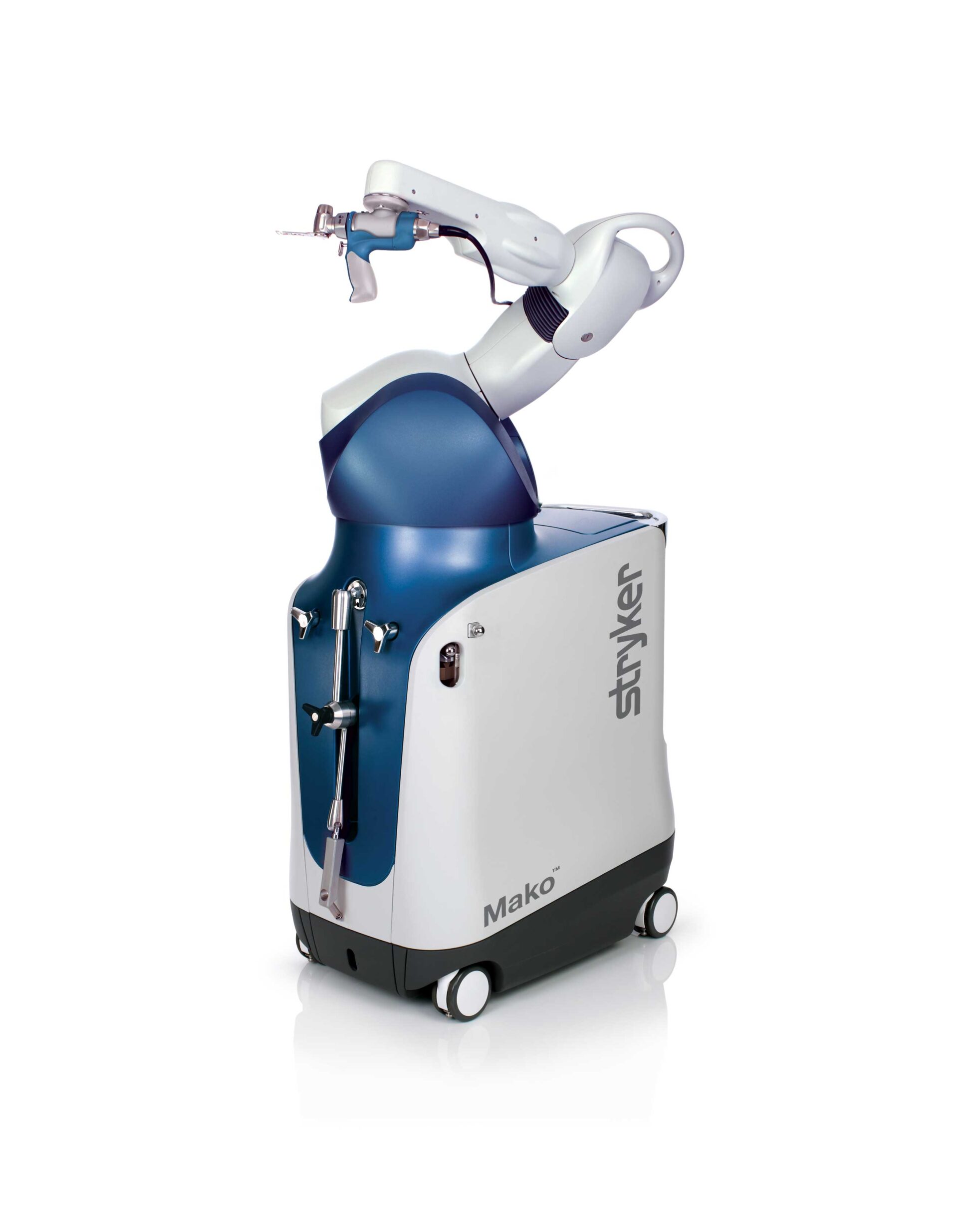
Pre-Surgery:
- Scan: We’ll conduct a CT scan of your joint, creating a 3D model.
- Plan: Using this model, we meticulously plan your surgery, accounting for your bone structure, disease severity, alignment, and surrounding tissue to determine implant specifics.
During Surgery:
- Your surgeon, using Mako’s robotic arm, removes arthritic bone and cartilage from your joint.
- AccuStop technology helps your surgeon stay within the boundaries defined in your surgical plan, minimizing excess bone and soft tissue loss.
- Real-time data from Mako helps adjust the surgical plan based on your joint’s movement and tension.
Advantages of Mako Robotic Surgery
Compared to patients who received manual knee and hip replacement surgery, patients who received Mako SmartRobotics-assisted knee and hip replacements experienced:
- Less post-operative pain
- Reduced hospital stays and fewer physical therapy rehabilitation sessions
- Better bone preservation and less soft tissue damage
- Improved physical function, improved survivorship, and lower revision rates
Curious if Mako Total Knee, Mako Partial Knee, or Mako Total Hip is right for you? Please reach out to our dedicated orthopedic team. If you are experiencing knee or hip pain, or any of the symptoms explained above, request an appointment today.
As Fall wraps us in its chilly embrace, you can bet basketball courts and ice skating rinks across New Jersey are buzzing with activity. Whether you’re part of a school team, hitting the court for a bit of fun, or gliding across the ice with friends and family, these Fall sports are a great way to stay active. With all the excitement, there’s also a chance of bumps, bruises, and sometimes more serious injuries. At AOSMI, we believe in patient education. We want to teach you about the more common Fall sports injuries, so that you are prepared and so that we can work together to get you back to your strongest self.
Common Fall Basketball Injuries:
Common Injuries: Some of the most common injuries in basketball are ankle sprains and anterior cruciate ligament (ACL) tears, both of which impact performance and long-term joint health.
Causes of Injury: Ankle sprains arise from the high-impact nature of basketball, particularly during rapid direction changes or awkward landings after jumps. ACL tears are often linked to abrupt stops, pivots, or sudden directional changes, exerting stress beyond the knee joint’s normal capacity.
Treatment and Surgery: Initial treatment for ankle sprains involves the R.I.C.E. protocol (Rest, Ice, Compression, and Elevation) to reduce swelling. ACL tears may necessitate surgical reconstruction using the patient’s tissues or grafts. At AOSMI, we are on the cutting-edge of orthopedic treatment – as such, we offer the BEAR (Bridge-Enhanced ACL Restoration) Implant that allows for natural healing without the need for grafts.
Physical Therapy Rehabilitation: Post-surgery, physical therapy becomes pivotal in restoring strength, flexibility, and joint stability. Progressive exercises targeting muscle strength, balance, and proprioception form the core of rehabilitation, guided by physical therapists to ensure a gradual return to play, minimizing the risk of re-injury. At AOSMI, our physical therapists tailor their treatment plans to your unique injury, ensuring a personalized approach.
Common Fall Ice Skating Injuries:
Common Injuries: Ice skaters frequently contend with fractures, particularly in vulnerable areas like the wrist and hip, because of the dynamic and sometimes acrobatic nature of the sport.
Causes of Injury: Falls on the ice, whether during jumps, spins, or routine skating, expose skaters to the risk of fractures. The hard frozen surface amplifies the impact, leading to fractures, especially in areas like the wrist and hip.

Treatment and Surgery: Immediate immobilization is important for managing fractures sustained during ice skating. Wrist fractures may require casting or splinting, while hip fractures may necessitate surgical intervention, involving plates, screws, or other fixation devices for proper alignment and stability.
Physical Therapy Rehabilitation: Rehab for ice skating injuries takes a comprehensive approach. Range-of-motion exercises are crucial for regaining flexibility, while progressive weight-bearing activities aid in rebuilding strength. Physical therapists craft tailored plans, integrating exercises that address the unique challenges of ice skating injuries, with a focus on enhancing balance, coordination, and functional movement. This personalized rehabilitation aims not only to restore functionality but also to prevent future injuries, facilitating a safe return to the ice.
By addressing the specific Fall sports injuries associated with basketball and ice skating, we aim to equip you with the knowledge needed to navigate the season safely. At AOSMI, our team is committed to providing the highest quality orthopedic and physical therapy care to our patients across New Jersey. If you are experiencing pain or injury from these sports, please request an appointment today. We are dedicated to helping you live a healthier, stronger life.

With over 100 million Americans suffering from some form of chronic pain, knee pain ranks second as the most common source. 18% of men and nearly 20% of women report having knee pain. Whether the cause of their pain is the result of too much weight being placed on the knee, poor technique during activity, trauma, or something else, knee pain is very common and can make it difficult to walk and function in everyday life.
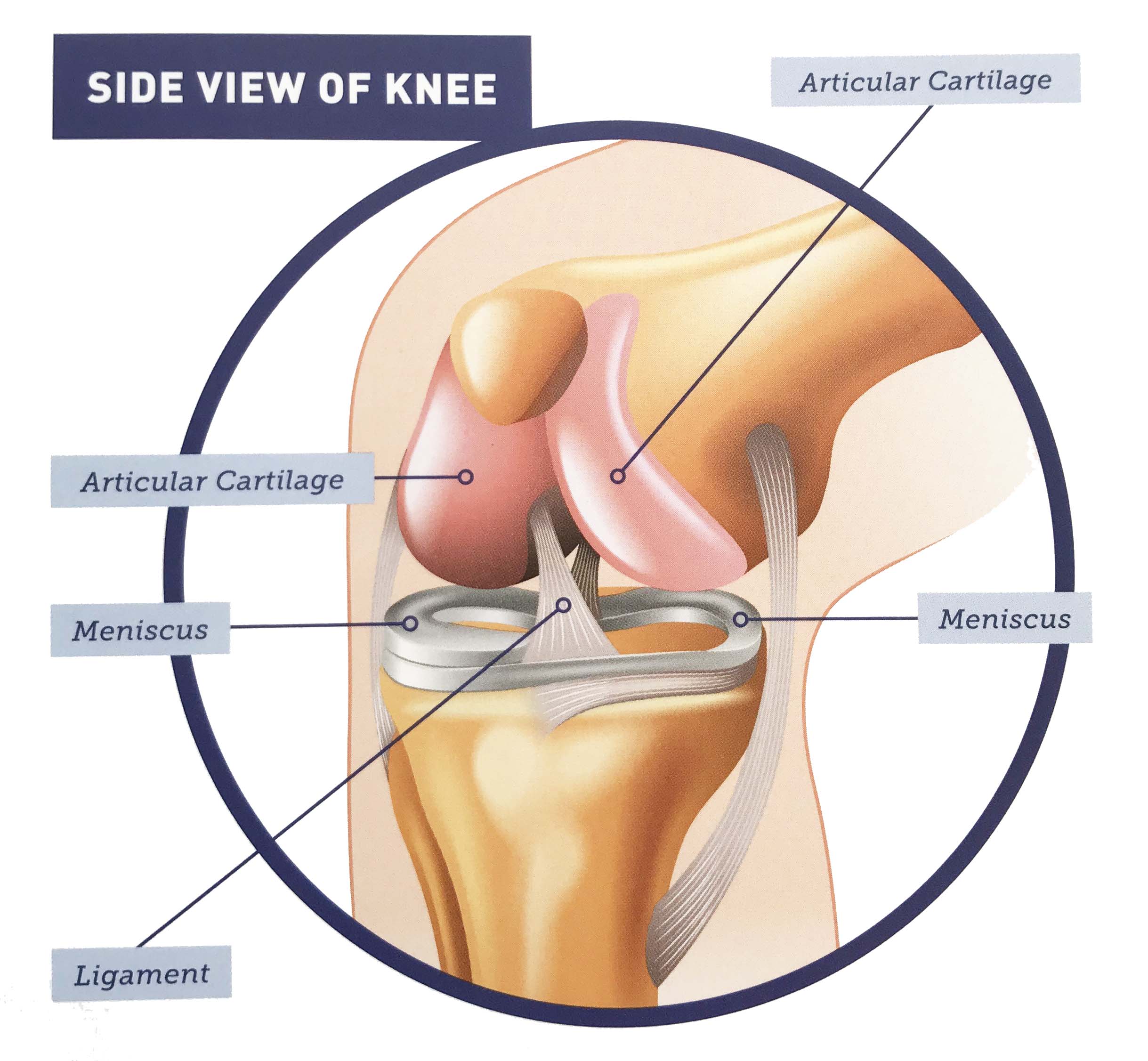 One of the biggest causes of knee pain is from damage to articular cartilage, a firm, rubbery material that covers the ends of bones in the knee joint. This cartilage reduces friction and serves as a natural shock absorber in your knee. When this cartilage gets damaged or decays over time, it can cause pain. If not treated, individuals may ultimately require knee replacement surgery to reestablish normal function.
A viable option for many knee pain sufferers involves the restoration of cartilage. Matrix-Applied Characterized Autologous Cultured Chondrocyte Implantation (MACI) is a surgical procedure that uses your own cells to regenerate the articular cartilage within your knee.
“The repair tissue has been shown to form as early as six months following the procedure, and overall, MACI can provide long-lasting pain relief and improvement in function,” according to a two-year follow up of a prospective randomized trial. (Am. J. Sports Med)
Dr. Gregg Berkowitz is a leading orthopedic surgeon who specializes in cartilage repair and utilizes MACI to assist in returning his patients to full, pain-free function. According to Dr. Berkowitz, MACI is proving to be very effective at restoring damaged articular knee cartilage.
How Does The MACI Process Work:
STEP 1: BIOPSY TAKEN
If your doctor thinks MACI may be an option for you at some point, he or she will take a biopsy (a sample of tissue approximately the size of two Tic Tacs®) of your healthy knee cartilage.
STEP 2: BIOPSY PROCESSED
The biopsy is shipped to a state-of-the-art, quality-controlled, FDA-licensed facility in Cambridge Massachusetts, where it will be stored cryogenically (frozen) for you.
STEP 3: YOUR OWN CELLS
When you and your doctor decide the time is right for MACI, cartilage cells (chondrocytes) from your biopsy will be expanded and seeded on a special membrane.
STEP 4: MACI DELIVERED
MACI is delivered to your surgeon for the implantation procedure.
STEP 5: MACI IMPLANTED
Your surgeon will shape the MACI implant to the size of your particular cartilage defect and then place it into your knee, affixing it to the damaged area.
While the use of human cells in healthcare still lacks sufficient data in understanding the long-term outcomes and benefits, MACI, so far, is proving to be a very successful option specifically for cartilage regeneration for the reduction and elimination of knee pain.
To learn more about MACI or to see if you are a candidate for this procedure, call 732-720-2555 to schedule an appointment today.
CLICK HERE to watch a MACI implantation procedure in action
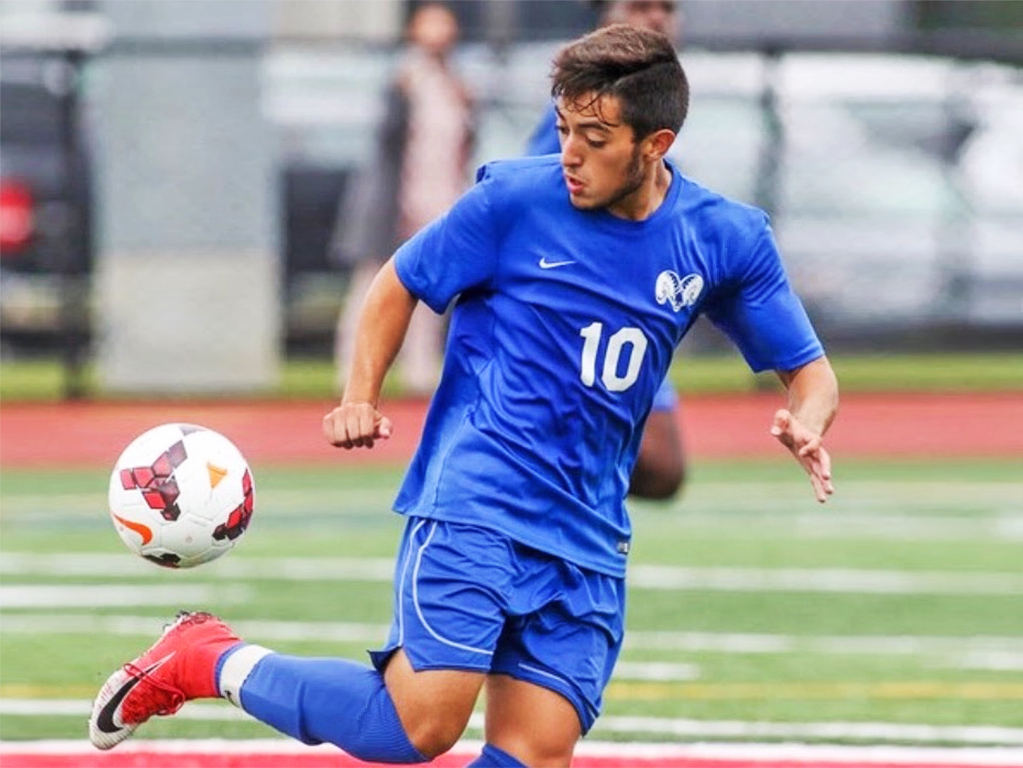
Christian Contreras developed a strong passion for soccer at just four year’s old. His father was a semi-pro soccer player, so his love for the game was something that was in his blood. He often dreamed of becoming a professional soccer player.
By age twelve, Christian gained recognition from top-tier programs in the state. At fourteen, he was scouted to play for Philadelphia Union Academy. During his three years with the academy, he was called up to national team combines allowing him to play at the highest levels for his age.
In March 2016, Christian tore his left ACL (Anterior Cruciate Ligament) that was further complicated by pulled hamstrings. These injuries set him back nearly 13 months before he could return to playing. The timing of these injuries couldn’t be worse seeing that these were critical months for college scouting.
Despite the setbacks, Christian returned to playing competitively his senior year and with great excitement, he committed to Temple University, where he had hopes of making a name for himself quickly.
Spring and summer training prior to his first semester at Temple was rigorous. On June 5th, during an early Summer League game, Christian was dribbling in the midfield when two players tackled him for the ball. He jumped up to avoid their kicks and when he landed awkwardly on his right leg. He quickly got up and walked himself off the field. While in great pain, he was really hoping it wasn’t anything serious. He thought it was only a minor injury.
Christian sought the guidance of Sports Medicine Specialist, Dr. Gerardo Goldberger, from AOSMI in Freehold, NJ. Dr. Goldberger brought in his colleague, Dr. Michael Greller, also a Sports Medicine specialist, who delivered the news that he had in fact torn his ACL once again.
Christian was devasted, but it didn’t take long for his despair to turn into optimism. Dr. Greller educated Christian on what caused his injury and how he was going to repair the ACL. The doctor gave him confidence that his procedure and recovery would go well and that he was likely to recover fully.
Post surgery, after five months of rehabilitation, Dr. Greller is very impressed with the way Christian is healing and he is expected to recover fully. His goal is to be cleared to play sometime early in the spring with the main focus of being at peak performance for the Fall season next semester.
Christian Contreras doing drills less than 4 weeks after ACL surgery.
“Dr. Greller instills confidence in me every time I see him and I believe that by following his recovery plan, I will be as good as new by Spring,” notes Christian.
Childhood dreams of becoming a professional soccer player haven’t been derailed by injury. In fact, dreams may be closer to reality for Christian thanks to proper medical care and his lifelong passion for the game!
By Jeffrey White
Anatomic ACL Reconstruction with Endobutton Technique narrated and performed by Dr. Michael J. Greller, MD, CPE, FAAOS
Dr. Michael Greller is a board-certified orthopedic surgeon, fellowship trained in sports medicine and President of Advanced Orthopedics and Sports Medicine Institute and is Chief of Staff at CentraState Medical Center.
Learn more about Dr. Greller, see more of Dr. Greller’s testimonials.