

Shin Splints Treatment in New Jersey
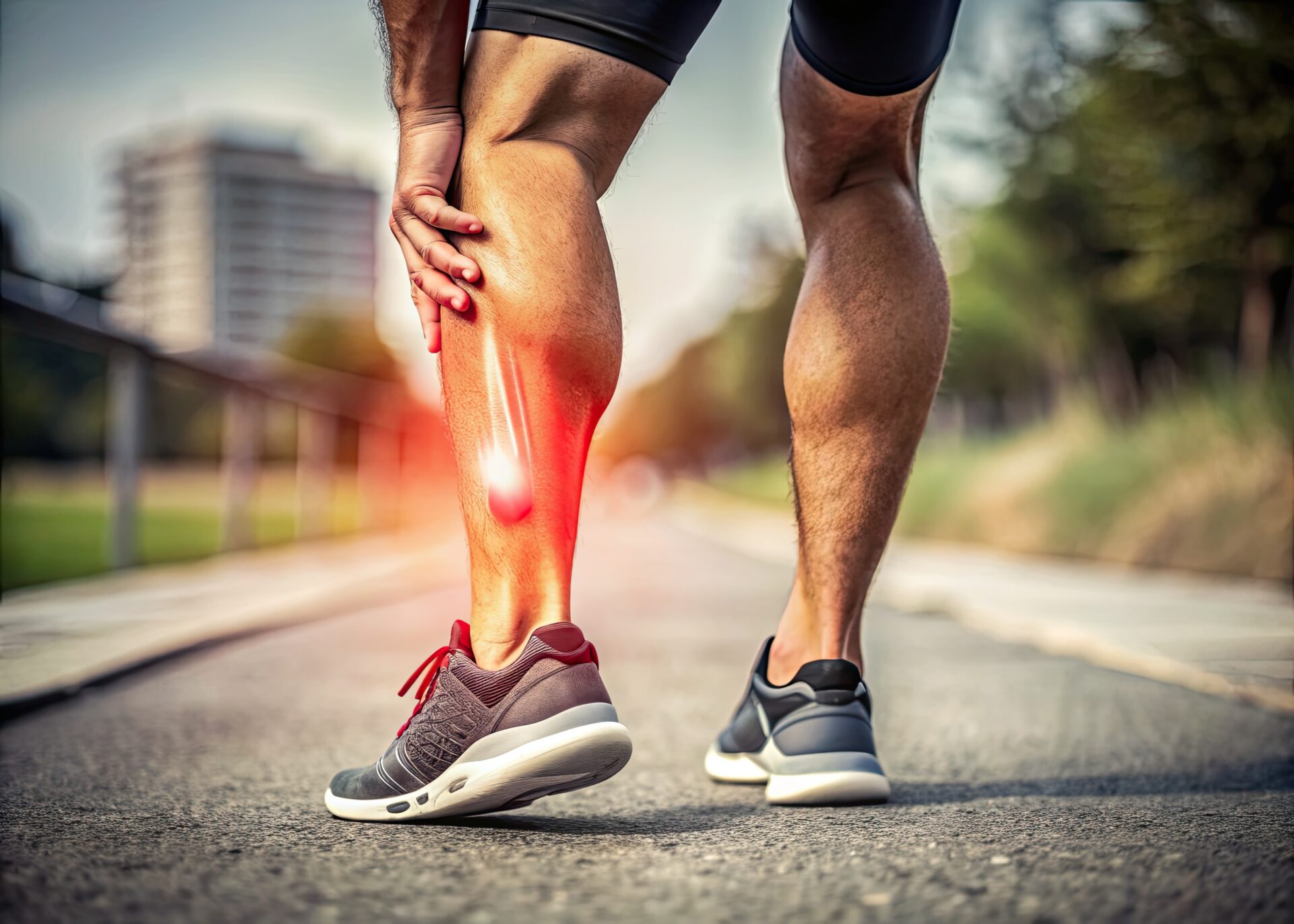
Shin splints are a common cause of lower leg pain. They often affect runners, athletes, and people who increase activity too quickly. The pain may start mild, but it can become more noticeable over time.
Some cases improve with rest. However, ongoing shin pain may be linked to an overuse injury. In these situations, an evaluation may help identify the cause and guide care.
Advanced Orthopedics and Sports Medicine Institute (AOSMI) provides shin splints treatment across New Jersey. Care focuses on understanding symptoms, identifying contributing factors and tailoring a personalized care plan.
Understanding Shin Splints
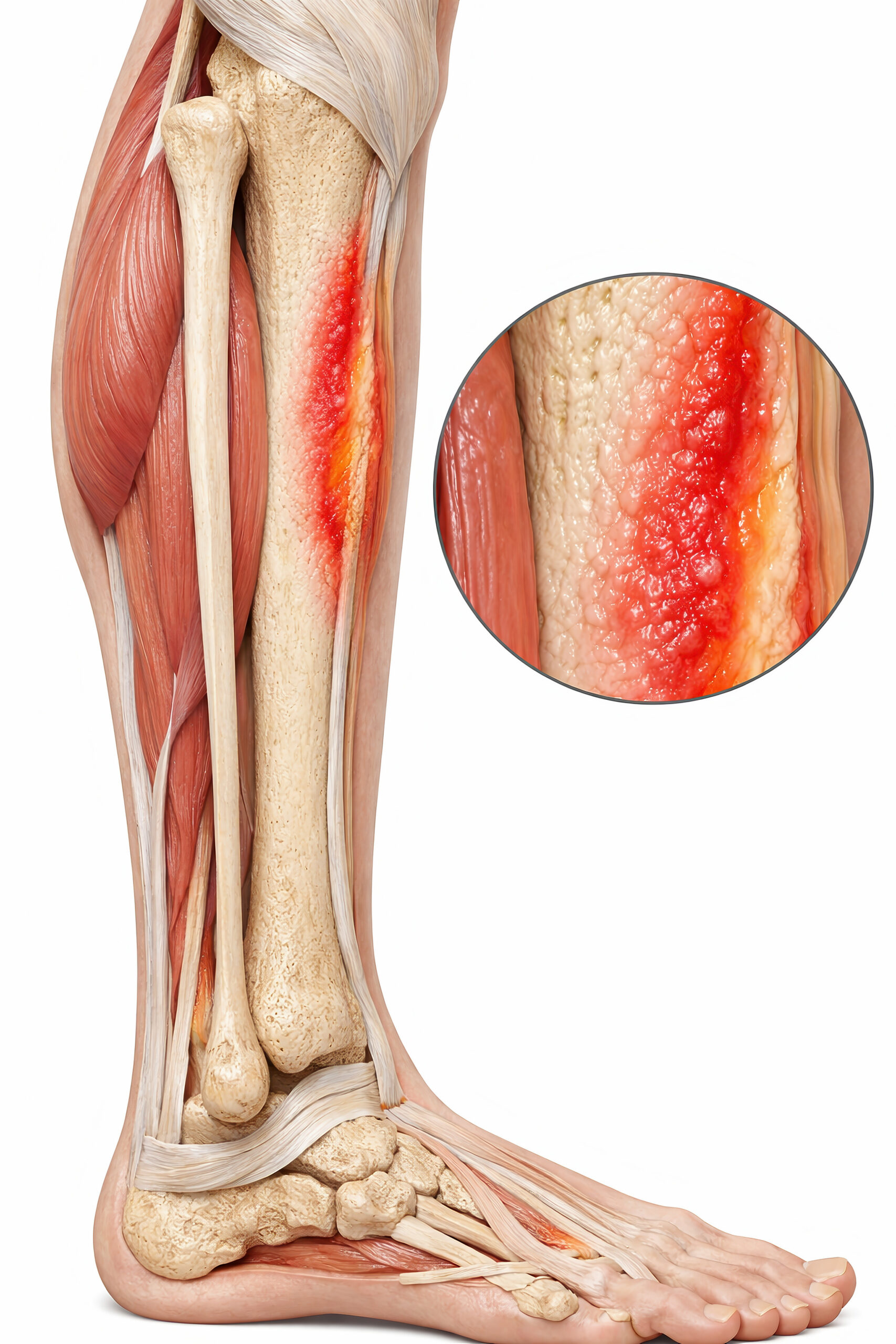
Shin splints, also called medial tibial stress syndrome, involve irritation along the shin bone. This usually happens from repeated stress on the lower leg.
The condition is often linked to running, jumping, or changes in training. Pain may begin after activity and improve with rest. Over time, it may appear earlier during movement or last longer after exercise.
Other conditions can cause similar symptoms. Because of this, a clinical evaluation may help confirm the cause of shin pain.
What Can Contribute to Shin Splints
Shin splints often develop from more than one factor. Small changes in activity or movement can increase stress on the shin.
Training changes are a common cause. A quick increase in distance, speed, or frequency can strain the lower leg.
The running surface also matters. Hard or uneven ground may increase impact.
Muscle tightness or imbalance can affect how the body absorbs force. In addition, foot mechanics and footwear may influence how stress moves through the leg.
How Shin Splints Are Evaluated
Evaluation usually begins with a review of symptoms and activity level. A provider may also look at movement patterns and areas of tenderness.
If symptoms are unclear or ongoing, imaging may be considered. This can help better understand the source of pain. The goal is to confirm the condition and guide next steps safely.
Shin Splints Treatment Options in NJ
Treatment plans for shin splints are based on symptoms, activity level, and the possible cause of discomfort. Care may include more than one approach, such as:
- Activity modification to help reduce stress on the shin while allowing the area time to recover
- Physical therapy to support strength, flexibility, and movement patterns
- Stretching and strengthening exercises for the calves, ankles, feet, and surrounding muscles
- Footwear recommendations to help improve support during walking, running, or sports
- Custom orthotics, when appropriate, to help with alignment and lower-leg stress
- Shockwave therapy (EPAT), which may be evaluated for ongoing symptoms that do not improve with initial care
Shin splints may be evaluated by different types of healthcare providers, including sports medicine doctors, orthopedic specialists, podiatrists, and physical therapists. The right provider may depend on the person’s symptoms, activity level, and whether the pain is related to running, sports, work, or daily movement.
What to Expect from Care
Care for shin splints often follows a guided process. It begins with understanding the cause of pain.
A treatment plan is then developed based on symptoms and goals. This may include activity changes, therapy, or supportive care.
As symptoms improve, activity may increase gradually. Progress is monitored to support a safe return to movement.
When to Seek Shin Splints Treatment
Some shin pain improves with rest. However, evaluation may be helpful if pain continues or worsens.
This may include pain that returns quickly after activity or begins to affect daily movement. Early assessment may help guide care and reduce ongoing discomfort.
Shin Splints Treatment Near You in New Jersey
AOSMI provides care at multiple locations across New Jersey, making it easier to access evaluation and treatment for shin pain.
Freehold: Orthopedic care and physical therapy
Monroe Township: Orthopedic care and physical therapy
Toms River: Orthopedic care
Belmar: Orthopedic care and physical therapy
Manalapan: Physical therapy
Freehold Athletic Club: Physical therapy
For shin pain or suspected shin splints, scheduling an evaluation at the most appropriate location may help guide next steps.
Frequently Asked Questions About Shin Splints
What do shin splints feel like?
Shin splints often feel like a dull ache along the inner shin. The pain may increase with activity and improve with rest.
How long do shin splints take to heal?
Recovery time varies. Some cases improve with rest, while others may need structured care.
Can shin splints go away without treatment?
Mild cases may improve with activity changes. Ongoing pain may need evaluation.
What doctor treats shin splints?
Sports medicine physicians, orthopedic providers, and podiatrists often evaluate shin splints and related injuries.
Schedule an Evaluation
If you are experiencing ongoing shin pain or symptoms that are not improving, scheduling an evaluation may help clarify the cause and next steps.
Call 732-720-2555 or request an appointment at a convenient New Jersey location.