

Understanding Hip Pain
At Advanced Orthopaedic & Sports Medicine Institute (AOSMI), patients often ask how to know what kind of hip pain they have. Hip discomfort can stem from many sources including the joint itself, surrounding muscles, tendons, or even the spine.
According to Dr. Garret Sobol, “Pinpointing the source of hip pain is key. Where you feel the discomfort whether it is the front, side, or back helps guide an accurate diagnosis.”

1. The Location of Your Hip Pain Matters
Front (groin) pain: Often connected to the hip joint itself, such as arthritis, labral tears, or femoroacetabular impingement (FAI).
Side (lateral) pain: Commonly associated with tendon inflammation or bursitis around the greater trochanter.
Back (posterior) pain: May stem from the sacroiliac joint or lower spine rather than the hip joint.
Dr. Sobol explains, “When pain is deep in the groin, I consider the hip joint first. But if it’s on the outside or buttock area, I look to the surrounding soft tissues or back.”
2. What Is the Figure-4 (FABER) Test?
The Figure-4 test—also known as the FABER test (Flexion, Abduction, External Rotation)—is a clinical maneuver used to help identify whether pain originates in the hip or nearby joints.
During the test, a patient’s leg is positioned to form a “4” shape, with the ankle resting on the opposite thigh. Gentle pressure is applied to the bent knee. The location and intensity of pain can indicate whether the discomfort comes from the hip joint or the sacroiliac joint.
Dr. Sobol notes, “If the pain is in the groin, it often involves the hip joint. If it’s more in the lower back or buttock, we consider the sacroiliac area.”
3. Can Hip Pain Cause Knee Pain?

It may surprise many patients to learn that hip problems can sometimes cause knee pain. The hip and knee work together as part of a kinetic chain, meaning movement or weakness in one area can influence the other.
When hip muscles are weak or tight, or when hip arthritis alters how you walk, additional stress can be placed on the knee joint. Over time, this can lead to discomfort or pain around the knee.
Dr. Sobol emphasizes, “I often evaluate both the hip and knee, even if a patient complains of knee pain. Sometimes, the real source of pain is higher up.”
4. When to Seek an Evaluation
If hip or knee pain persists for more than a few weeks, interferes with daily activities, or limits mobility, a professional evaluation is recommended.
Evaluations may include a detailed discussion of symptoms, physical examination, and diagnostic imaging if needed. Early assessment helps identify the source of discomfort and guide personalized care options.
5. Preparing for Your Appointment
Tracking your symptoms can make your visit more effective. Before seeing an orthopaedic specialist, take note of:
- When and how your pain started.
- Movements or positions that increase discomfort.
- Whether pain radiates to your thigh or knee.
- Any stiffness, clicking, or popping sensations.
This information can help your provider understand patterns that may point to hip joint, muscle, or spine involvement.
FAQs About Hip Pain
Q: How can I tell if my hip pain is arthritis or a soft tissue issue?
A: Pain that feels deep and stiff in the groin may suggest arthritis. Pain on the outside or side of the hip may be more muscular or tendon-related.
Q: Should I try the Figure-4 test at home?
A: It’s best to let a clinician perform it during an evaluation. Doing it incorrectly can aggravate discomfort.
Q: Can hip pain really cause knee pain?
Yes, the hip controls leg alignment. Weakness or stiffness can shift pressure down to the knee joint.
Q: When should I see an orthopaedic surgeon?
A: If hip pain disrupts daily activity, sleep or exercise an evaluation can help determine next steps.
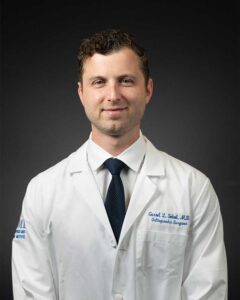 About Dr. Garret L. Sobol, MD, FAAOS

Board-Certified Orthopedic Surgeon | Fellowship-Trained in Sports Medicine
Dr. Garret Sobol is a board-certified orthopaedic surgeon, fellowship-trained in sports medicine. He specializes in the treatment of sports-related injuries and degenerative conditions of the shoulder, elbow, hip, and knee.
His treatment philosophy prioritizes conservative, non-invasive techniques first, using surgery only after other options have been explored. Outside of medicine, Dr. Sobol enjoys time with his family, fishing, and snowboarding.
Dr. Sobol treats patients in our Freehold and Monroe locations. If you’re experiencing ongoing hip or knee pain, request an appointment with Dr. Sobol.
This blog from Advanced Orthopaedic & Sports Medicine Institute (AOSMI) is intended for educational purposes only. It is not a substitute for professional medical advice, diagnosis, or treatment. Patient recovery is not guaranteed, and each patient’s results may vary. Always consult a qualified healthcare professional for a personalized care plan.
https://youtu.be/DHxOwRbJTuY
Hip Replacement Surgery Success Story: Donna’s Journey with Dr. Alan Nasar
Donna’s Story: From Fracture to Full Recovery
In September, Donna suffered a serious hip fracture after a fall at work, leading to a referral to Dr. Alan Nasar, an expert in total hip replacement surgery at Advanced Orthopedics Sports Medicine Institute. Dr. Nasar performed a posterior mini-incision hip replacement, a minimally invasive hip surgery known for its quick recovery and excellent outcomes. Despite meeting Dr. Nasar briefly before surgery, his reassuring demeanor, along with the caring anesthesiology team, put Donna at ease.
Advanced Physical Therapy and Compassionate Support for Faster Recovery
Focused Physical Therapy for Hip Replacement Recovery
Donna’s journey continued with physical therapy two weeks after her hip replacement surgery. Advanced Orthopedics provided a patient-centered approach, with consistent therapy appointments to help Donna regain strength, mobility, and balance. Supported by her skilled therapists and a seamless scheduling process, Donna made incredible progress, returning to work within six weeks. Thanks to a responsive Workers’ Compensation case manager, her claim process was smooth, with continuous support during her recovery.
Dr. Alan Nasar’s Approach to Patient-Centered Hip Replacement Care
“Donna’s case highlights the benefits of minimally invasive hip surgery and personalized, patient-centered care. Techniques like the posterior mini-incision enable faster recovery and help patients regain independence sooner.”
— Dr. Alan Nasar, MD, FAAOS
Consider Hip Replacement Surgery with Dr. Alan Nasar
If you or someone you know is experiencing hip pain, recovering from a hip fracture, or considering hip replacement surgery, the team at Advanced Orthopedics Sports Medicine Institute is here to provide expert, compassionate care. Schedule a consultation with Dr. Alan Nasar or one of our orthopedic specialists today.
Meet Dr. Alan S. Nasar, MD, FAAOS: Leading Orthopedic Surgeon and Hip Replacement Specialist
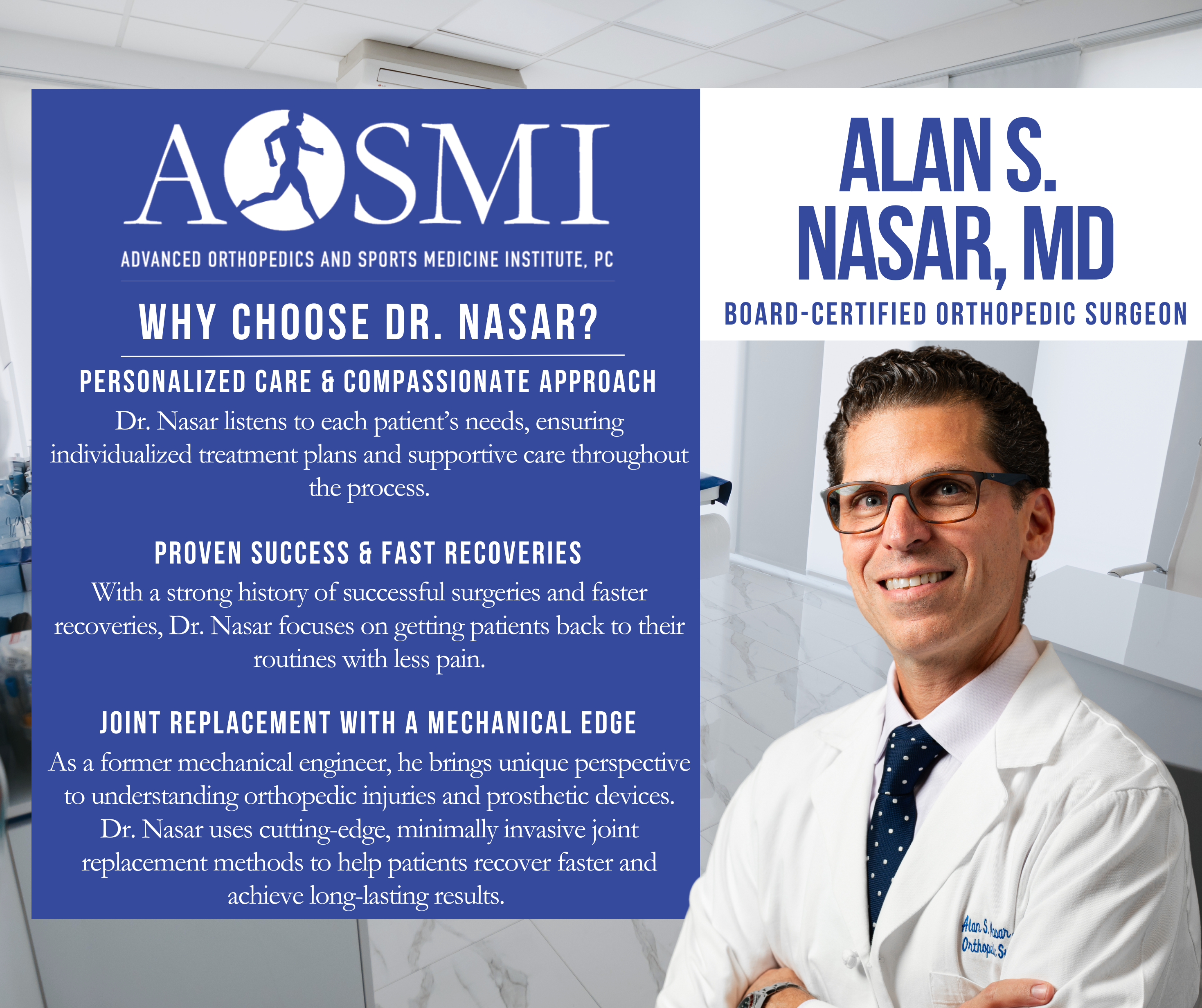
Dr. Alan S. Nasar, MD, FAAOS, is a highly regarded orthopedic surgeon specializing in minimally invasive hip and knee replacements. With a background in mechanical engineering and expertise in advanced joint replacement techniques, Dr. Nasar has pioneered the use of cutting-edge, patient-specific hip replacement techniques at Advanced Orthopedics in New Jersey. Board-certified and fellowship-trained, he is also the Chair of Orthopedic Surgery at CentraState in Freehold, NJ, and is known for integrating computer-assisted joint replacement and advanced materials like ceramic and titanium for enhanced durability.
Dr. Nasar’s approach prioritizes reducing pain, promoting rapid recovery, and restoring long-term mobility and independence for patients. His experience and dedication make him a trusted leader in joint replacement surgery.
Total hip replacement has come a long way, with modern techniques providing faster recovery and less post-operative pain. Two groundbreaking approaches, the Direct Anterior Approach and the Mini Posterior Approach, are leading the future of hip replacement surgery, offering patients greater comfort and quicker healing times. Let’s explore these options.
Direct Anterior Approach Total Hip Replacement Surgery
The Direct Anterior Approach is a minimally invasive technique that avoids cutting through major muscles, reducing trauma to the body. This approach allows patients to recover faster and experience less pain after surgery. By preserving more of the surrounding tissues, the Direct Anterior Approach also promotes early mobility and a lower risk of dislocation.
What is the recovery time for Direct Anterior Approach hip replacement?
Patients can often return to regular activities within 4-6 weeks, with minimal restrictions.
Mini Posterior Approach
The Mini Posterior Approach is another innovative technique that provides excellent access to the hip joint with a smaller incision. This method involves less cutting of muscle and tendons compared to traditional surgeries, resulting in quicker recovery times and less postoperative discomfort. It is known for being less complex, making it a popular choice for many patients.
Is the Mini Posterior Approach safe for all patients?
Yes, but it’s essential to consult with your surgeon to determine if it’s the best option for your condition.
Benefits of These Approaches
Innovations in surgery have provided a wide array of benefits for patients. Some of these advantages include:
- Faster recovery and return to normal activities
- Less post-operative pain
- Smaller incisions with minimal scarring
- Reduced risk of complications such as dislocation
Contact an Expert Surgeon Today
If you’re considering hip replacement surgery, trust Advanced Orthopedic and Sports Medicine Institute (AOSMI) for cutting-edge treatments and expert care. We serve patients throughout New Jersey. We have convenient locations in Freehold, Monroe Township, Toms River, Belmar, Edison, and Manalapan, NJ. Reach out today to learn more about your options.
Here at AOSMI, we stay on the cutting edge of orthopedic technology to provide you with the best treatment, helping you live your strongest life. Using Mako robotic surgery, we offer advanced solutions for knee and hip replacements. In 2022, Dr. Michael Greller and Dr. Garret Sobol performed the BEAR (Bridge-Enhanced ACL Restoration) Implant procedure, the first medical advancement that allows your body to heal its own ACL. Today, we’d like to highlight Dr. Eric Buxbaum, Board-Certified Orthopedic Surgeon, Fellowship Trained in Adult Reconstruction, Hip and Knee Arthroplasty – one of our hip and knee orthopedic specialists. He performs total knee replacement, partial knee replacement, and total hip replacement surgeries using Mako SmartRobotics, from Stryker, the industry leader in orthopedic technology.
Dr. Buxbaum explains the benefits of Mako robotic surgery: “We now can better personalize the surgery and predict implant sizing options with more accuracy before we even enter the operating room. During surgery, we have another set of checks and balances for greater precision. This technology enables us to achieve results that are as close to perfect as possible for our patients. We’re better matching each patient’s normal anatomy for a more natural feel.”
In addition to Dr. Eric Buxbaum, our team of orthopedic specialists, including Dr. Michael Greller, Dr. Alan Nasar, and Dr. Garret Sobol, routinely use Mako SmartRobotics for surgical interventions.
Partial Knee Replacement: Targeted Relief

If you have osteoarthritis confined to a single compartment of your knee, partial knee replacement might be the solution. This procedure is ideal when only one part of your knee is damaged, preserving as much of your natural knee structure as possible. This procedure is recommended when pain and limited mobility are restricted to a specific area, and conservative treatments haven’t provided relief.
During the surgery, the surgeon removes only the damaged portion of your knee cartilage and replaces it with an implant, allowing for quicker recovery and more natural knee function.
Total Knee Replacement: Restoring Mobility
Total Knee Replacement surgery is for adults with mid-to-late stage osteoarthritis of the knee, which causes the protective cartilage in the knee joint to wear down over time, resulting in pain, swelling, and stiffness. This procedure is recommended when severe knee pain hampers daily activities, conservative treatments fail, or joint deformities arise due to injury or illness.
During the surgery, the surgeon removes damaged cartilage and bone and place implants strategically to restore knee alignment and function.
Total Hip Replacement: Comprehensive Restoration

You might need a total hip replacement if you suffer from advanced hip osteoarthritis or significant hip joint damage that results in chronic pain and impaired daily activities. Hip osteoarthritis presents distinctive symptoms such as deep pain in the hip, thigh, or groin, that sometimes radiates to the knee and worsens with activities like walking. You might experience stiffness – especially in the morning or after inactivity, reduced range of motion, and a grating sensation when you move your hip. Other signs include muscle weakness, swelling, tenderness, and joint deformities like bone spurs.
During this procedure, the surgeon replaces the damaged bone and cartilage in your hip joint with prosthetic components, restoring hip function and relieving pain.
Mako SmartRobotics: Enhancing Precision
Mako robotic surgery uses advanced technology to assist our surgeons. Your orthopedic surgeon directs Mako’s robotic arm throughout the procedure, positioning the implant in your joint. Mako does not perform surgery, make decisions on its own, or move without the surgeon guiding it. Mako also allows your surgeon to make adjustments to your plan during surgery as needed.
The Process Unveiled 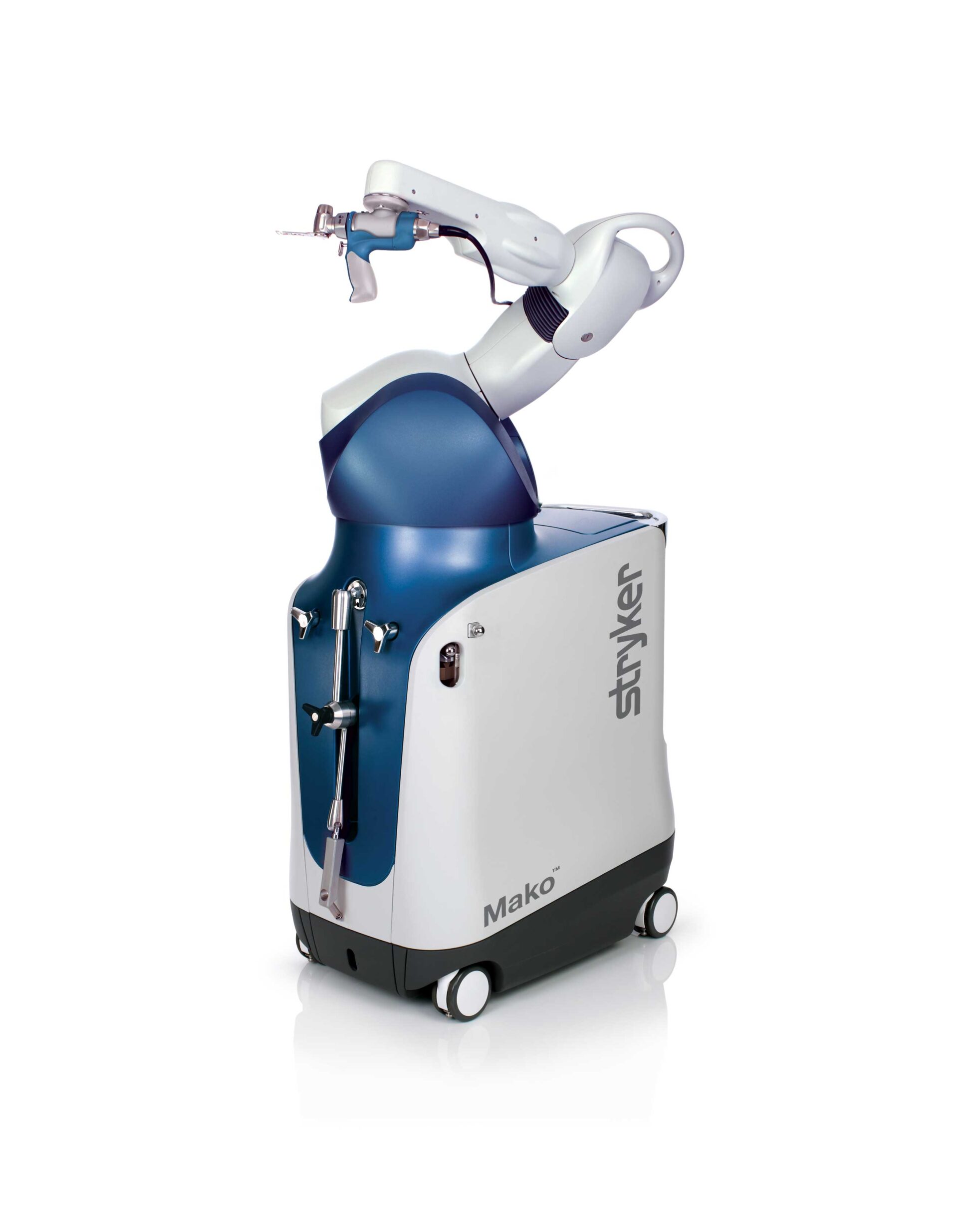
Pre-Surgery:
- Scan: We’ll conduct a CT scan of your joint, creating a 3D model.
- Plan: Using this model, we meticulously plan your surgery, accounting for your bone structure, disease severity, alignment, and surrounding tissue to determine implant specifics.
During Surgery:
- Your surgeon, using Mako’s robotic arm, removes arthritic bone and cartilage from your joint.
- AccuStop technology helps your surgeon stay within the boundaries defined in your surgical plan, minimizing excess bone and soft tissue loss.
- Real-time data from Mako helps adjust the surgical plan based on your joint’s movement and tension.
Advantages of Mako Robotic Surgery
Compared to patients who received manual knee and hip replacement surgery, patients who received Mako SmartRobotics-assisted knee and hip replacements experienced:
- Less post-operative pain
- Reduced hospital stays and fewer physical therapy rehabilitation sessions
- Better bone preservation and less soft tissue damage
- Improved physical function, improved survivorship, and lower revision rates
Curious if Mako Total Knee, Mako Partial Knee, or Mako Total Hip is right for you? Please reach out to our dedicated orthopedic team. If you are experiencing knee or hip pain, or any of the symptoms explained above, request an appointment today.
Imagine a world where the simple act of walking doesn’t send jolts of pain through your body. Where every step isn’t a reminder of the relentless hip discomfort that’s been shadowing your every move. This isn’t a distant dream—it’s the reality that hip replacement surgery, or hip arthroplasty, promises. A beacon of hope for those tethered by hip pain and mobility challenges, this ground-breaking procedure is a game-changer, transforming lives by turning the tide on pain and unlocking a level of functionality many thought was lost forever. If you, or someone you hold dear, are on the brink of deciding on this life-altering surgery, journeying through the entire process, from contemplation to recovery, is essential. Let’s embark on this path together, uncovering the steps that lead from the shadows of discomfort to the light of renewed vitality.
Why Consider Hip Replacement Surgery?
Hip replacement becomes a consideration when alternative treatments, like medication, physical therapy, and lifestyle modifications, cease to alleviate pain or augment mobility. Common conditions warranting this surgery include osteoarthritis, rheumatoid arthritis, osteonecrosis, or injury-induced arthritis. The surgery aims to substitute the impaired hip joint parts with prosthetic components, thereby lessening pain and enhancing function. Notably, the choice of hip replacement type—such as traditional or minimally invasive, anterior or posterior approach, and the use of robotic assistance—can vary based on individual needs and the surgeon’s recommendation.

Preparing for Your Surgery
Medical Evaluation and Planning
A comprehensive evaluation by your orthopedic surgeon is critical before surgery. This step involves reviewing your medical history, performing physical examinations, and conducting imaging tests to devise a personalized surgical plan. According to the American Academy of Orthopaedic Surgeons, a detailed pre-operative evaluation is crucial for the success of hip replacement surgery.
Home and Lifestyle Preparations
Equally important is preparing your living space for post-surgery recovery. This might include securing assistance for daily tasks, making your home fall-proof, and setting up a main-level recovery area to avoid stair climbing initially.
Understanding the Surgical Process
The procedure entails removing damaged joint surfaces and replacing them with prosthetic parts made of metal, ceramic, and plastic. This transformation can significantly alleviate joint pain and restore mobility. Advancements in surgical techniques and anesthesia have made hip replacement a safe and effective option for many.
Navigating the Recovery Phase
Immediate Post-Surgery Care
Recovery promptly commences post-surgery, with most patients walking the same day of the procedure and often returning home shortly thereafter. This phase focuses on promptly managing pain and preventing complications.
Rehabilitation and Physical Activity
For the majority of patients, recovery from hip replacement surgery can be straightforward. The primary focus is on returning home and gradually increasing activity levels, primarily through walking. While some patients may benefit from additional physical therapy, it’s typically reserved for those experiencing difficulties, representing a minority—roughly 20%—of cases. Recovery and exercises can be tailored to individual needs, with the emphasis on self-guided progress.

Long-term Care and Activities
During the initial six weeks following surgery, patients should avoid impact activities such as running, jumping, or heavy lifting. After this period, assuming recovery progresses as expected, patients are encouraged to resume all activities, including returning to weight-lifting and sports based on their comfort level. Many individuals return to their usual daily routines within three months, with higher-intensity exercises or athletic activities typically resuming within three to six months.
Hip replacement surgery marks a significant milestone for those grappling with hip pain. We understand that this is a major surgery. We hope that by understanding the journey, from pre-surgery contemplation to recovery, you can improve your confidence and clarity regarding this decision. At AOSMI, our ultimate goal extends beyond pain relief. We hope to work with you to enhance your overall quality of life. We encourage you to engage in thorough discussions with our orthopedic surgeons so you can learn how hip replacement surgery can help you live a stronger and more active life. Request an appointment today to meet with our team of orthopedic surgeons to discuss if hip replacement surgery is right for you.
As Fall wraps us in its chilly embrace, you can bet basketball courts and ice skating rinks across New Jersey are buzzing with activity. Whether you’re part of a school team, hitting the court for a bit of fun, or gliding across the ice with friends and family, these Fall sports are a great way to stay active. With all the excitement, there’s also a chance of bumps, bruises, and sometimes more serious injuries. At AOSMI, we believe in patient education. We want to teach you about the more common Fall sports injuries, so that you are prepared and so that we can work together to get you back to your strongest self.
Common Fall Basketball Injuries:
Common Injuries: Some of the most common injuries in basketball are ankle sprains and anterior cruciate ligament (ACL) tears, both of which impact performance and long-term joint health.
Causes of Injury: Ankle sprains arise from the high-impact nature of basketball, particularly during rapid direction changes or awkward landings after jumps. ACL tears are often linked to abrupt stops, pivots, or sudden directional changes, exerting stress beyond the knee joint’s normal capacity.

Treatment and Surgery: Initial treatment for ankle sprains involves the R.I.C.E. protocol (Rest, Ice, Compression, and Elevation) to reduce swelling. ACL tears may necessitate surgical reconstruction using the patient’s tissues or grafts. At AOSMI, we are on the cutting-edge of orthopedic treatment – as such, we offer the BEAR (Bridge-Enhanced ACL Restoration) Implant that allows for natural healing without the need for grafts.
Physical Therapy Rehabilitation: Post-surgery, physical therapy becomes pivotal in restoring strength, flexibility, and joint stability. Progressive exercises targeting muscle strength, balance, and proprioception form the core of rehabilitation, guided by physical therapists to ensure a gradual return to play, minimizing the risk of re-injury. At AOSMI, our physical therapists tailor their treatment plans to your unique injury, ensuring a personalized approach.
Common Fall Ice Skating Injuries:
Common Injuries: Ice skaters frequently contend with fractures, particularly in vulnerable areas like the wrist and hip, because of the dynamic and sometimes acrobatic nature of the sport.
Causes of Injury: Falls on the ice, whether during jumps, spins, or routine skating, expose skaters to the risk of fractures. The hard frozen surface amplifies the impact, leading to fractures, especially in areas like the wrist and hip.

Treatment and Surgery: Immediate immobilization is important for managing fractures sustained during ice skating. Wrist fractures may require casting or splinting, while hip fractures may necessitate surgical intervention, involving plates, screws, or other fixation devices for proper alignment and stability.
Physical Therapy Rehabilitation: Rehab for ice skating injuries takes a comprehensive approach. Range-of-motion exercises are crucial for regaining flexibility, while progressive weight-bearing activities aid in rebuilding strength. Physical therapists craft tailored plans, integrating exercises that address the unique challenges of ice skating injuries, with a focus on enhancing balance, coordination, and functional movement. This personalized rehabilitation aims not only to restore functionality but also to prevent future injuries, facilitating a safe return to the ice.
By addressing the specific Fall sports injuries associated with basketball and ice skating, we aim to equip you with the knowledge needed to navigate the season safely. At AOSMI, our team is committed to providing the highest quality orthopedic and physical therapy care to our patients across New Jersey. If you are experiencing pain or injury from these sports, please request an appointment today. We are dedicated to helping you live a healthier, stronger life.
When it comes to hip replacement surgery, there are different approaches available, and each has its unique advantages and considerations. At Advanced Orthopedic and Sports Medicine Institute, Dr. Joseph Tauro and Dr. Eric Buxbaum specialize in Anterior Hip Replacement, a procedure that offers a minimally invasive approach with muscle preservation. Dr. Alan Nasar specializes in Posterior Hip Replacement, an established technique with a wide range of effective applications.
Hip Osteoarthritis

Hip replacement surgery is often recommended for individuals suffering from hip conditions, with osteoarthritis of the hip being one of the most common reasons. Hip osteoarthritis, a specific type of joint condition that affects the hip, often presents through distinctive symptoms. The most common and noticeable sign is hip pain, often felt deep in the hip, thigh, or groin, sometimes radiating to the knee and worsened by activities like walking. Stiffness in the hip, typically more pronounced in the morning or after inactivity, can make it challenging to start moving or stand up. Reduced range of motion affects your ability to perform everyday tasks, while a grating sensation may occur when you move your hip. Weakness in the muscles around the hip, swelling, tenderness, and joint deformities like bone spurs or alignment changes are additional telltale signs. If you’re experiencing these symptoms, we encourage you to reach out to the orthopedic specialists at AOSMI, for accurate diagnosis and effective management, especially since early intervention can alleviate pain, improve joint strength and function, and enhance your overall quality of life. Both anterior and posterior approaches can be used to address this condition effectively.
Anterior vs. Posterior Approach
1. Anterior Hip Replacement
The anterior approach is known for its minimally invasive features and muscle preservation. During this surgery, the incision is made at the front of the hip, allowing the surgeon to access the hip joint without cutting through major muscles. The minimally invasive nature of the procedure typically results in potentially faster recovery, reduced pain, shorter hospital stays, and improved mobility.
2. Posterior Hip Replacement
The posterior approach is a well-established and longstanding technique. It involves an incision at the back of the hip. The posterior approach is versatile and can effectively address a wide range of hip conditions. Surgeons often choose this approach due to their familiarity with it and the proven outcomes it offers. This approach may also be associated with potentially lower risk of nerve injury.
Choosing Between Anterior and Posterior Hip Replacement

The choice between anterior and posterior hip replacement surgery is a critical decision, and it should be based on a thorough evaluation of the patient’s individual case. Several factors come into play, including the patient’s anatomy, the surgeon’s expertise, and the specific surgical indications. Consulting with an experienced orthopedic surgeon is crucial in this process. They can assess your condition, consider these factors, and recommend the most suitable surgical approach for your specific needs. The success of your surgery is not solely dependent on the approach but also on the expertise of your surgeon and your commitment to post-operative rehabilitation.
If you’re experiencing any of the hip pain symptoms explained above or are considering hip replacement, please request an appointment today to consult with our experienced orthopedic surgeons. Let’s work together to manage your pain and get you back to your strongest self!

Direct Anterior Approach Total Hip Replacement
By Dr. Eric Buxbaum, Orthopedic Surgeon
Hip replacement surgery has become one of the most common and successful orthopedic procedures performed in the United States. There are multiple ways for surgeons to perform hip replacements, with the classic and still most common technique through the posterior approach, where the surgeon makes the incision on the back or side of the leg. A newer technique, which has shown to have many benefits, is through the anterior approach.
What is direct anterior hip replacement surgery?
The direct anterior approach for hip replacement is a minimally invasive procedure performed through an incision made on the front of the leg. This is considered a “muscle sparing” approach, as the surgeon uses a natural interval between the muscles around the hip to reach the hip joint.
What are the benefits of direct anterior hip replacement surgery?
Because the incision is only 3 or 4-inches long, compared to up to 12 inches with the traditional posterior approach, there is less damage to nearby tissue. Additionally, when going through the front of the hip, the surgeon doesn’t have to cut into muscles and tendons (that later need to be repaired) to reach the damaged hip, something that must be done with posterior hip replacement. Instead, the surgeon carefully moves the muscles aside while inserting the implant, and then moves them back into place after. This helps reduce pain, expedite recovery, and provide greater stability to the hip when compared to the classic posterior approach.
Thanks to these minimally invasive techniques, the anterior approach offers several benefits:
- Less pain, because less soft tissue, ligaments and muscles need to be cut
- Less need for pain medications
- Quicker healing and recovery
- Less rehabilitation and physical therapy, which means a quicker return to normal activities
- No need for “hip precautions” – movements and positions posterior approach patients are told not to do
- Quicker independent mobility
- Shorter hospital stay.
Additionally, patients should be able to start moving around within hours after surgery. Sometimes patients may go home the same day.
What to expect with direct anterior hip replacement
A hip replacement surgery usually takes several hours. It requires either general or regional anesthesia; you and your doctor will decide which option is best for you. Doctors administer regional anesthesia with either a spinal or epidural that numbs the lower extremities.
Your doctor will prescribe pain relievers, such as opioids and non-steroidal anti-inflammatory drugs, to help alleviate pain after surgery.
For physical therapy, patients begin walking immediately after surgery. After leaving the hospital, patients may begin performing light activities at home and increase their walking distance to help increase mobility. No formal outpatient physical therapy is typically required. Recovery can take between three and six months, but many patients will return to normal daily activities even sooner.
What are the risks of direct anterior hip replacement?
Whether it’s anterior or posterior approach, hip replacement is one of the safest, most effective operations you can have. Most people who have hip replacement surgery don’t experience major complications, but all surgical procedures carry some risks. Doctors will consider the risk for each individual patient. Age, weight and medical conditions such as diabetes can affect a patient’s risk for complications following hip replacement.
Hip dislocation or loosening is one of the major risks of hip surgery, especially in the weeks after the surgery. However, it’s less likely with the anterior approach because the technique preserves the muscles and soft tissues that prevent dislocation. Another risk of both posterior and anterior hip replacement is leg length discrepancy, but again, this is less likely with the anterior approach as the patient’s position during surgery allows for easier and more reliable assessment. Additional risks with the anterior approach include numbness of the skin in the front of the thigh, because the skin nerves get stretched. This usually goes away after a few months. One complication specific to anterior approach, is an injury to a large skin nerve near the incision. If injured during surgery, it can lead to chronic pain and abnormal sensations along the front and side of the thigh.
Who is a candidate for direct anterior hip replacement surgery?
People experiencing hip pain and disability that disrupts their regular activities are candidates for hip replacement. For people suffering from osteoarthritis, hip injuries, rheumatoid arthritis or bone tumors, hip replacement may be the only solution to relieve pain. Weight and age are not restrictions, although they may be risk factors that should be considered. Total hip replacements have been performed successfully on people of all ages, but most patients are usually between the ages of 50 to 80.
Is Hip Replacement Surgery for You?
When making the decision to have hip replacement surgery, it’s important to consider the benefits and risks specific you. If alternative and first-line treatments such as physical therapy and pain medication don’t provide relief, a hip replacement procedure may be the right solution for you. The good news is that the techniques and instruments used for hip replacement keep improving, which means more positive outcomes and better quality of life for patients.
Angelo has had both hips replaced with the surgery performed by Dr. Alan Nasar of AOSMI at The Total Joint Center of New Jersey. Below Angelo describes his experience with his right hip replacement surgery that he had done first. He talks about his rapid recovery, lack of pain, and considerations in discharge to home vs. inpatient.
After recovering from his first surgery, Angelo found he was moving better but eventually his left hip started giving him some trouble. Since he had such wonderful results from his first surgery with Dr. Nasar, Angelo decided to return and have his left hip replaced. Below he talks about the second surgery and how he is doing now that both sides have been replaced.
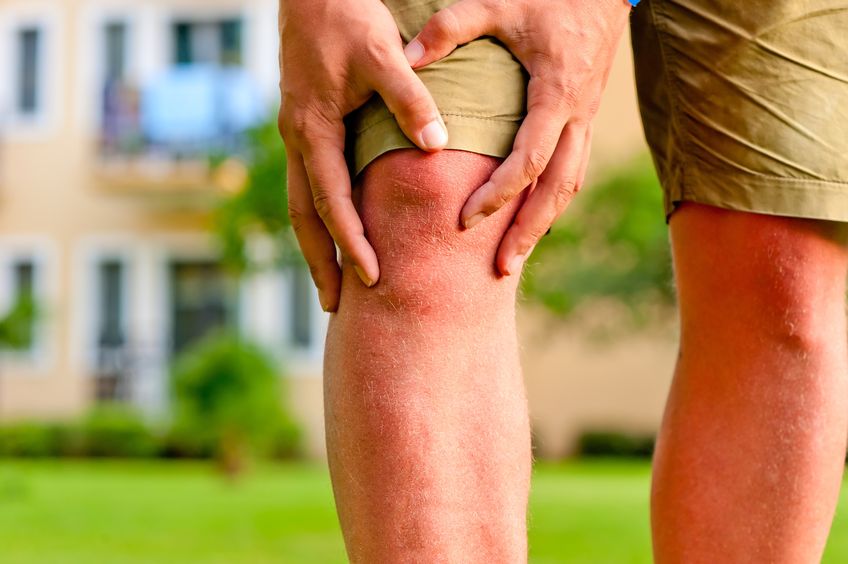
A common condition in the United States, joint pain can be a serious hindrance to athletic activity as well as everyday life.
An estimated two million American experience joint pain associated with cartilage injuries each year. Cartilage injuries can be debilitating and only the most modern methods of treatment can restore cartilage, minimize pain and relieve discomfort for patients of all ages.
So what is cartilage?
Cartilage is, essentially, connective tissue found in all animals, including humans. It is more flexible and softer than bone but stiffer and more rigid than muscle. As cartilage does not contain blood vessels or nerves, you cannot “feel” damage in your cartilage, though there are other signs.
There are three types of cartilage found in the human body.
Elastic cartilage is found in your ears and nose. This supports and adds shape to these structures. Fibrocartilage is tough and dense. This type is found in the joint connecting the upper pubic bones where it needs to be sturdy enough to support a lot of weight but flexible enough for childbirth. Fibrocartilage, such as the meniscus, can also be found in joints where the more flexible tissue has been destroyed. The meniscus transfers stress and protects the final type of cartilage, hyaline cartilage, from being damaged. Hyaline cartilage is the cartilage that allows healthy joints to function comfortably. Found in your joints, this type of cartilage can be degraded by arthritis, trauma and other conditions causing medical treatment to be needed.
The Cartilage Restoration Center of New Jersey, staffed by the board-certified and fellowship-trained orthopedic surgeons of AOSMI, utilizes the latest techniques to restore cartilage.
We are completely devoted to the treatment of cartilage injuries with the goal of eliminating pain, restoring function and facilitating your return to full activity.
So you suffer from joint pain and think you may have damaged your cartilage, what are your options? Joint replacement surgery and medication used to be your only option to deal with joint pain. Now with our cutting-edge technology, the board-certified physicians at AOSMI are able to offer you many conservative options, including:
- Anti-inflammatory medications (NSAIDs)
- Steroid injections
- Hyaluronic Acid injections
- Orthobiologics
- Physical Therapy
- Bracing
If conservative treatment options do not work or if the cartilage damage is too severe, there are several surgical options that focus on repairing or re-growing your cartilage, helping reduce the need for joint replacement surgery. Procedures include:
- Microfracture: An arthroscopic procedure that stimulates cartilage regeneration
- Osteochondral Autograft Transplantation – Utilizing bone and cartilage plugs taken from a low load area of the knee and transferred to the damaged area
- Osteochondral Allograft Transplant – Used when donor bone and cartilage plugs are applied in the damaged area
- DeNovo NT – Used when juvenile donor cartilage is used to repair the damaged area
- Autologous Chondrocyte Implantation – Your cartilage cells are harvested via arthroscopic surgery, grown in a laboratory and then transplanted into the damaged area
These surgical options would be performed by our board-certified, fellowship-trained orthopedic surgeons at a hospital or outpatient surgery centers depending upon the procedure.
If you suffer from joint pain or feel you may have damaged your cartilage, call us today to schedule your cartilage consultation – 732-720-2555!