

Vertebroplasty for Spinal Compression Fractures in New Jersey
A spinal compression fracture can make everyday movements painful. Standing, walking, bending, or even turning over in bed may become difficult when one of the bones in the spine has fractured.
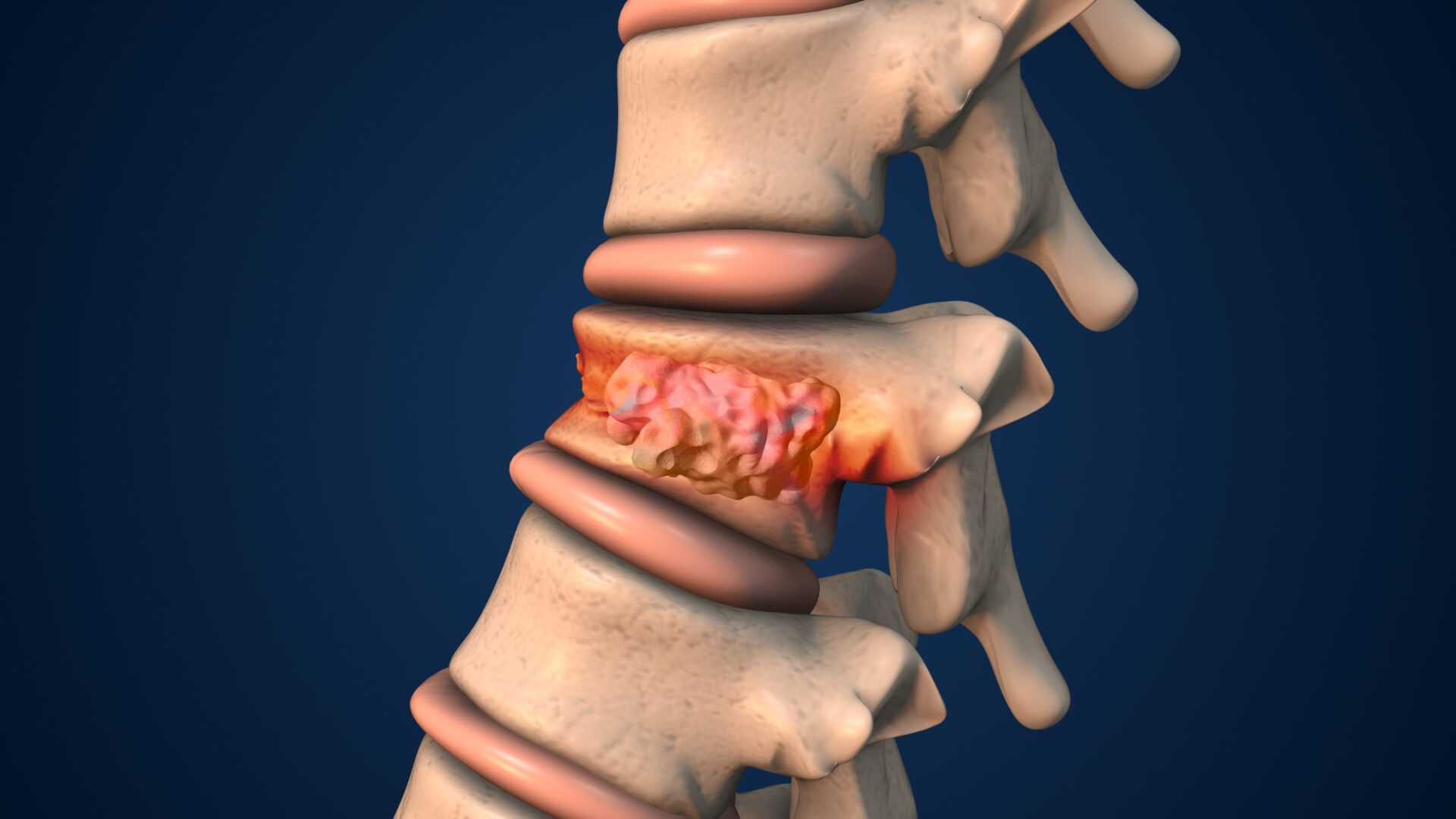
Vertebroplasty is a minimally invasive procedure that uses medical-grade bone cement to stabilize a fractured spinal bone. It can be considered for certain vertebral compression fractures that cause ongoing pain and limit daily activities. Unlike open spine surgery, it is performed through a small opening in the skin.
Understanding Vertebroplasty and Spinal Compression Fractures
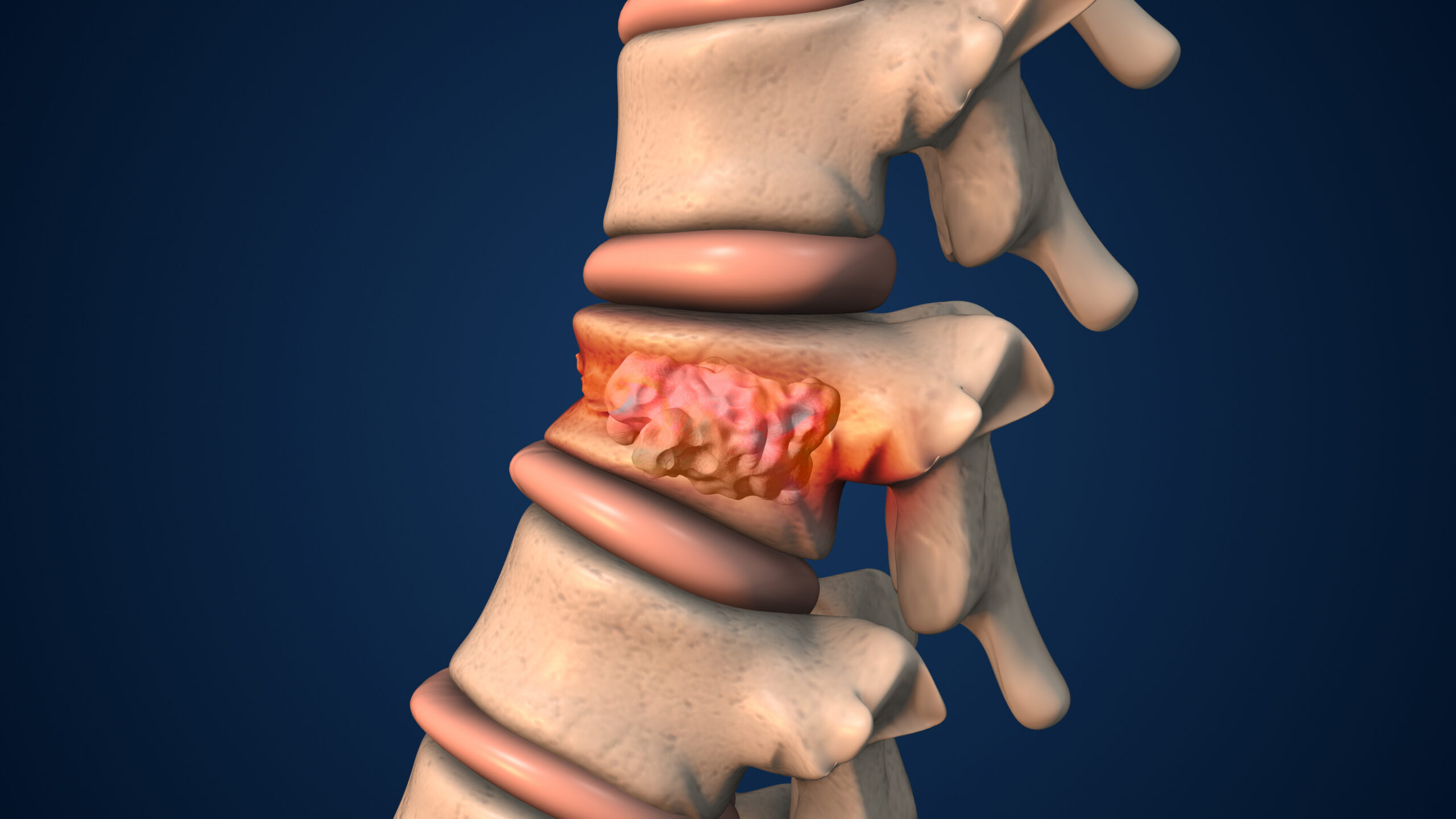
The spine contains a series of bones called vertebrae. A vertebral compression fracture occurs when one of these bones weakens and partly collapses. These fractures often affect the middle or lower back.
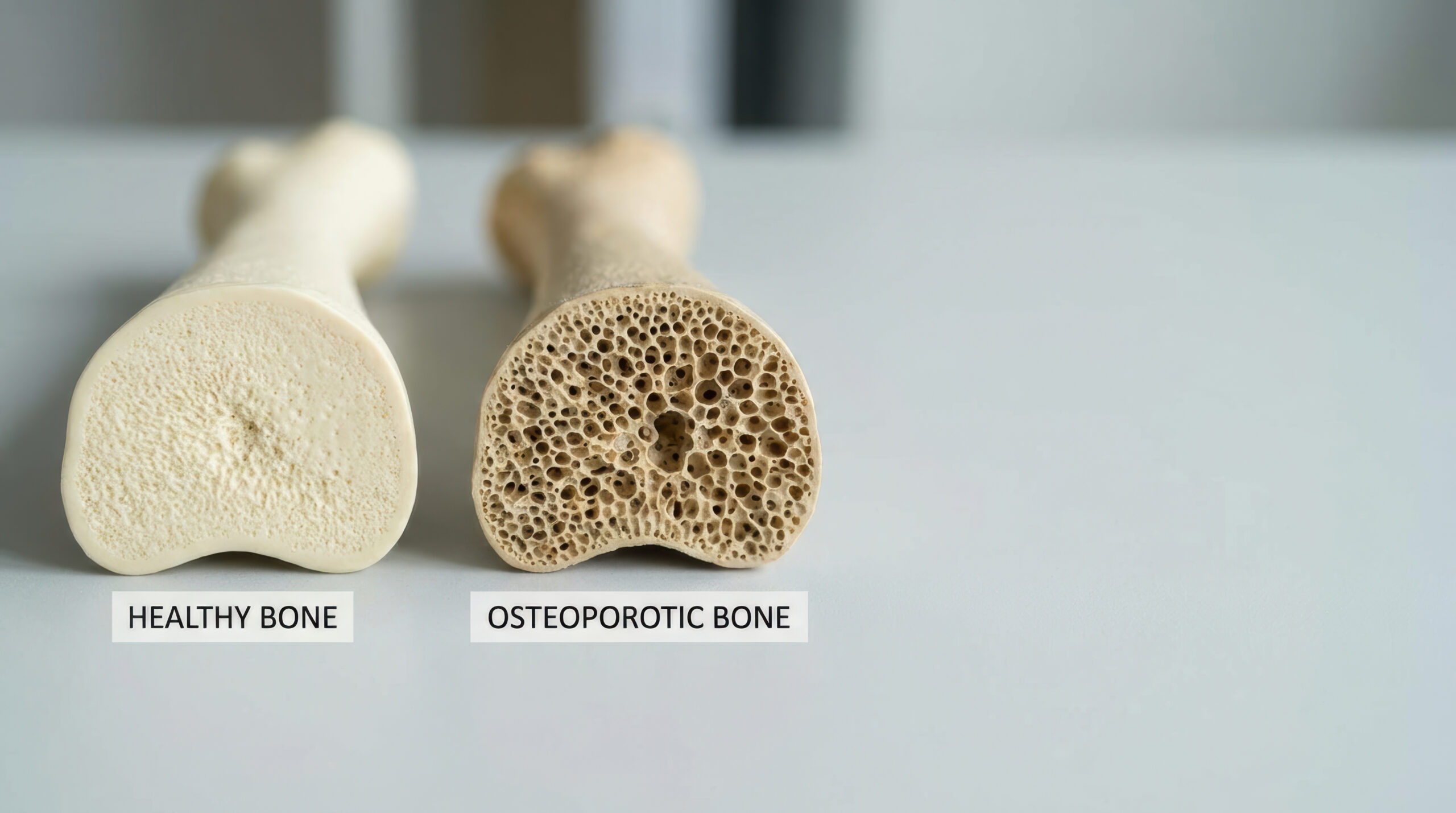
Osteoporosis is a common cause. It weakens bones, making a fracture possible after a small fall, lifting an object, or an ordinary movement. Cancer or another condition that weakens bone can also contribute.
During vertebroplasty, a physician places medical-grade cement inside a selected fractured vertebra. The cement hardens to support the damaged bone. The goal is to stabilize the fracture and potentially reduce pain coming from that area. The procedure does not treat muscle strain, herniated discs, arthritis, or every compression fracture.
Signs and Symptoms of a Vertebral Compression Fracture
Compression fractures do not always cause noticeable symptoms. When pain develops, it may feel different from a typical muscle strain. People often describe a sharp or aching pain in one part of the middle or lower back, especially when standing, walking, changing positions, or rolling over in bed.
A fracture may follow a fall or simple movement. Multiple fractures can also lead to height loss or a more rounded posture over time.
How the Vertebroplasty Procedure Works
Vertebroplasty is also called percutaneous vertebroplasty. Percutaneous means that the physician reaches the bone through the skin rather than through a large surgical incision.
The patient usually lies face down while the care team monitors vital signs. Using live X-ray imaging, called fluoroscopy, the physician guides a narrow hollow needle into the fractured spinal bone. Bone cement is injected through the needle while its placement is monitored. Once the cement hardens, the needle is removed and the small opening is dressed.
Anesthesia and Procedure Length
Vertebroplasty is often performed with local anesthesia and sedation. Local anesthesia numbs the area; sedation helps the patient relax. Some patients may need general anesthesia. The choice depends on the medical history, treatment setting, and planned procedure.
Treating one vertebra often takes about an hour, although the time varies and additional fracture levels may take longer. Many patients return home the same day after a period of observation. The treating team will confirm what to expect for the individual procedure.
Vertebroplasty vs. Kyphoplasty
Vertebroplasty and kyphoplasty are two procedures that use medical-grade bone cement to help stabilize a fractured bone in the spine. Each uses imaging guidance and medical-grade cement to help stabilize a selected painful spinal compression fracture. Their main difference is what happens before cement placement.
During vertebroplasty, cement is placed directly through a needle into the vertebra. Kyphoplasty typically involves using a balloon to create a cavity before cement placement. In some fractures, kyphoplasty can even recover some lost bone height.
| Comparison | Vertebroplasty | Kyphoplasty |
|---|---|---|
| Primary goal | Stabilize selected painful fractures | Stabilize selected painful fractures |
| Cement placement | Directly into fractured bone | Into a cavity created inside bone |
| Balloon used | No | Typically yes |
| Vertebral height | Usually does not restore lost height | May restore some height in selected fractures |
| Incision | Small skin opening | Small skin opening |
| Anesthesia | Local with sedation or general, as appropriate | Local with sedation or general, as appropriate |
| Setting | Often outpatient | Often outpatient |
Recovery After Vertebroplasty
Because vertebroplasty is minimally invasive, many patients can return home the same day and begin light activities soon afterward. Some notice less fracture-related pain within a few days, while others improve more gradually or continue to have discomfort. Recovery depends on the fracture, overall health, and the treating physician’s instructions.
The First 24 to 48 Hours
After treatment, patients are monitored as sedation or anesthesia wears off. Many can stand and walk before discharge. Mild soreness near the needle site can occur. Patients receiving sedation generally need a ride home and should follow individual instructions about medication, driving, and wound care.
Returning to Daily Activities
Light activity may resume fairly soon for some patients, but that does not mean the spine is ready for strenuous activity. The treating team may recommend temporary limits on heavy lifting, forceful twisting, strenuous exercise, or repetitive bending. Walking, rehabilitation, and return to regular activities should follow the care team’s instructions.
Long-Term Bone Health
Vertebroplasty stabilizes a treated fracture but does not reverse osteoporosis or strengthen other bones. Bone-density assessment, osteoporosis treatment, fall-prevention measures, and rehabilitation remain important to reduce the risk of future fractures.
Other Treatments for Spinal Compression Fractures
Not every spinal compression fracture requires vertebroplasty. Many people improve with nonsurgical treatment as the bone heals. Options can include medication for discomfort, temporary bracing, changes to activity, and physical therapy at an appropriate point in recovery. Treatment of osteoporosis or another underlying condition may also be needed.
| Treatment Option | How It May Help |
|---|---|
| Pain medication | Can help manage symptoms during healing |
| Back brace | Temporarily support the back and limit painful movement |
| Activity modification | Can reduce stress on the injured bone |
| Physical therapy | May support strength, balance, and mobility when appropriate |
| Osteoporosis treatment | Addresses underlying bone weakness and fracture risk |
| Vertebral augmentation | May be discussed for selected patients with severe or persistent fracture-related pain |
Determining Whether Vertebroplasty Is Appropriate
A compression fracture on an X-ray is not always the cause of current back pain. Some healed fractures stay visible for years. An evaluation combines the history, examination, pain location, and imaging findings to see whether the fracture matches the symptoms.
X-rays can show loss of vertebral height. An MRI may reveal swelling inside the bone, called bone marrow edema, that can suggest a fracture is active or still healing. CT imaging may add detail about fracture shape. The physician may also look for other causes of back pain, including arthritis, disc problems, infection, tumors, or nerve compression.
“A compression fracture on an X-ray does not always explain a patient’s back pain. We look at where the pain occurs, how it affects daily movement, and what the imaging shows before discussing treatment. The goal is to identify the source of the pain and determine which options are appropriate.” – John S. Georgy, MD, MBA
Frequently Asked Questions About Vertebroplasty
Is Vertebroplasty Considered Major Surgery?
No. Vertebroplasty is a minimally invasive procedure rather than traditional open spine surgery. A physician uses X-ray guidance to place a needle into the fractured vertebra and inject medical-grade bone cement to help stabilize the bone. The procedure requires only a small opening in the skin.
Do Patients Need to Be Fully Asleep?
The procedure often uses local anesthesia and sedation to keep patients comfortable. General anesthesia is used in certain cases, depending on the patient’s medical needs and the treating team’s assessment.
Which Part of the Spine Can Vertebroplasty Treat?
Vertebroplasty most commonly treats compression fractures in the thoracic spine (middle back) and lumbar spine (lower back). A physician evaluates the fracture’s location, severity, and surrounding anatomy to determine whether the procedure is appropriate.
Can Back Pain Return After Vertebroplasty?
Yes. Back pain can return after vertebroplasty, even if the original fracture was successfully treated. Another vertebra may develop a compression fracture, particularly in patients with osteoporosis. Pain may also persist or return because of other conditions affecting the spine, muscles, or nerves.
Spine Care and Compression Fracture Evaluation in New Jersey
A spinal compression fracture can affect sleep, mobility, and normal daily activities. Understanding whether a fracture is truly causing the pain is essential before selecting a treatment. AOSMI offers evaluation for back pain and related spine conditions. Depending on the findings, a physician may discuss medical care, rehabilitation, vertebral augmentation, or other options.
To discuss your symptoms and available treatment options, call 732-720-2555 or request an appointment.
Find your Provider
 John S. Georgy, MD, MBA