

Running a marathon is an incredible undertaking requiring discipline, passion, and lots and lots of preparation. For all the hard work that goes into preparing your body to run a marathon, the sense of accomplishment when you cross the finish line–for the first time or the fiftieth–is unmatched. If you are new to marathon training, take these suggestions to ensure that you train smart and effectively.
- Start Where You Are. It is difficult to train appropriately when you aren’t aware of your current skill level. If you are brand new to running, check with your doctor to make sure you are healthy enough for this sort of exercise and let him or her help you determine an appropriate starting level of intensity. Pushing yourself too hard, too fast can lead to a sports injury.
- Have a Plan and Stick to It. There are plenty of apps and online resources to give runners of all ability levels an effective and appropriate training schedule. This plan will be more than just how much you run and how often. Break your goal of running a marathon into smaller goals you can prepare for, such as running a 5K or half marathon.
- Fuel Properly with Good Nutrition. Even if you are running in part to achieve weight loss, it is important to increase your intake of calories when training to avoid fatigue and muscle loss. Be sure your calorie expenditure (including running) is about the same as your caloric intake. Also, make sure you are eating the optimal amount of protein and other nutrients for your body size, age, and gender.
- Listen to Your Body. Running can take a heavy toll on the bones and joints. If you are experiencing pain, don’t try to tough it out. An unaddressed injury could not only derail your marathon aspirations; it can necessitate surgery, missed work time, and other adverse consequences.
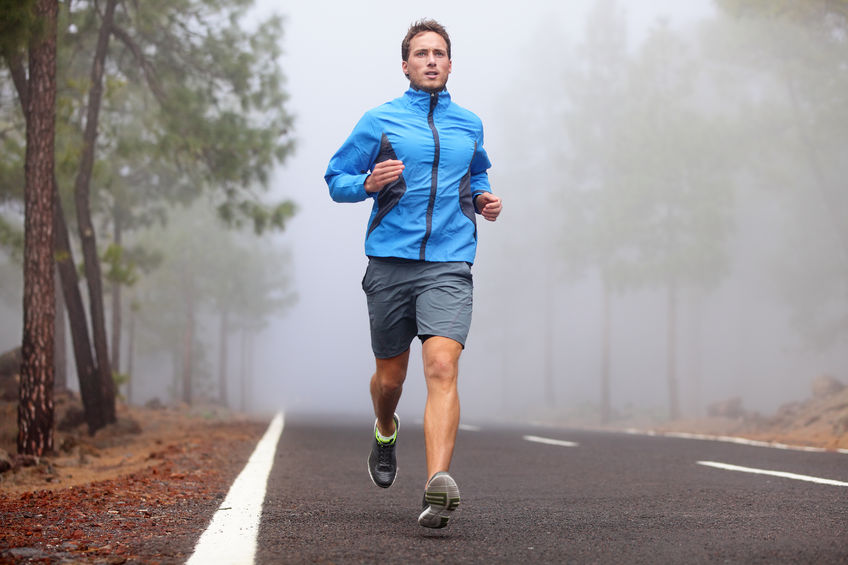
If you have experienced pain while running, an experienced orthopedic specialist at Advanced Orthopedic and Sports Medicine Institute can help determine the exact nature of your issue. Request an appointment with us today to get back to your fitness routine as soon as possible.
Advanced Orthopedics and Sports Medicine Institute is a medical practice located in Freehold and Monroe, NJ, our medical professionals are experts in orthopedic surgery, joint replacement, sports medicine, integrative wellness, spine care, physical therapy, and more.
Walking on the treadmill in the gym, confined to the indoors, can get boring very fast. In order to make exercise a habit, it has to be enjoyable and fun. Hiking is a fantastic way to increase cardiovascular exercise while soaking in the fresh air and sunshine of the outdoors. The uneven surface of an outdoor trail engages more muscle groups than walking on a flat treadmill, making for great strength training and muscle toning as well. Hiking is a fun and exciting way to stay healthy and strong.
Still, for new and veteran hikers alike, there are risks to this form of activity. These risks range from minor inconveniences to life-threatening injuries. Take the following precautions from our New Jersey orthopedic surgeons to keep your hiking safe and enjoyable.
- Gear Up. Proper footwear is essential to safe hiking. While well-fitting, specialized hiking shoes are ideal, other shoes with a thick, deep tread with good traction are also acceptable. Thick socks will help keep your feet comfortable and avoid blisters, as well as keep your feet warm. Dressing in layers is helpful as temperatures can fluctuate throughout your hike.
- Plan Ahead. It is important to know your route ahead of time when hiking and to keep a map and compass with you in the event that you take a wrong turn and find yourself lost. A flashlight can also be helpful. Depending on the length and duration of your hike, you may also consider matches, a first aid kit, and food provisions.
- Check In. Letting someone else know when and where you will be hiking and when you expect to return is advisable, especially because, on some trails, cell service can be limited.
- Stay Hydrated. Like any physical activity, hiking can cause you to sweat, and it is important to drink water continuously throughout your hike to avoid dehydration. As a general rule, it is not safe to drink water found in rivers or streams along the trail. Be sure to keep bottled water with you.
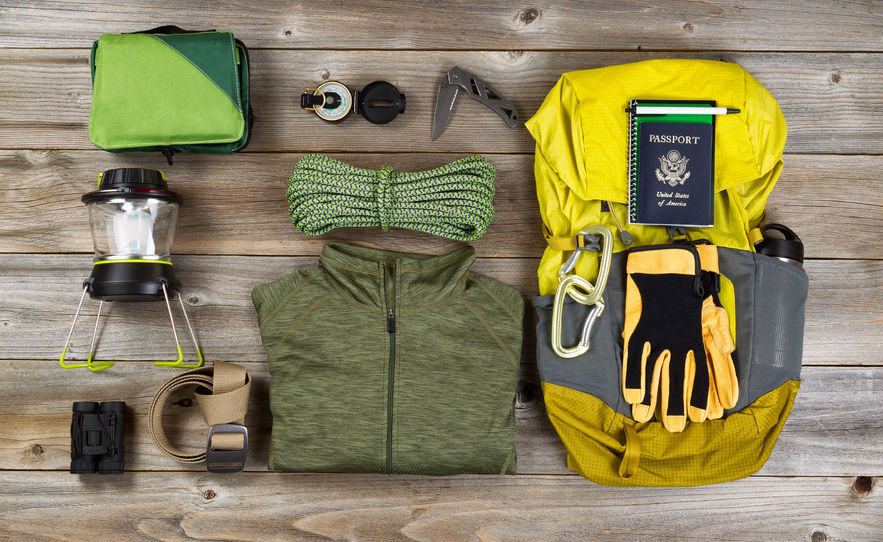
As with any new exercise routine, be sure to consult with your doctor before your start if you are new to hiking. If you are experiencing aches and pains after hiking, an orthopedic specialist can help determine the nature of the problem. Contact Advanced Orthopedic and Sports Medicine Institute today to request an appointment with a NJ physical therapy specialist.
Advanced Orthopedics and Sports Medicine Institute is a medical practice located in Freehold and Monroe, NJ, our medical professionals are experts in orthopedic surgery, joint replacement, sports medicine, integrative wellness, spine care, physical therapy, and more.
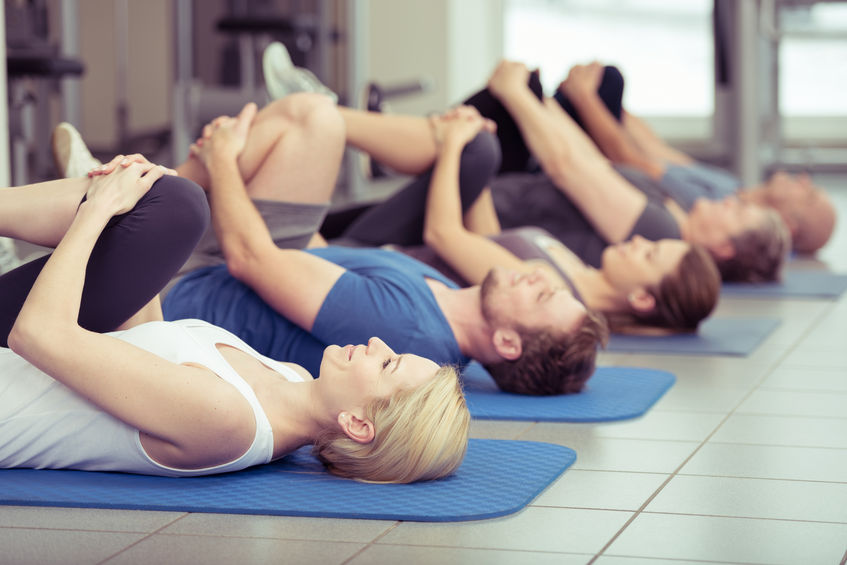
Whether you’re recovering from a sports injury or are simply experiencing the annoyances of physical pain from the daily grind of day to day living, there are a few simple movements you can try to help relieve your pain. As contrary as it seems, stretching is your saving grace when it comes to dealing with physical pain. Here we offer a few simple movements to get your muscles and joints moving and relieve common pains. As always, if the pain persists or worsens, call an orthopedic specialist to have it looked at. Stretching will not treat physical injuries or solve underlying conditions.
Simple Movements To Relieve Body Pain:
- Hamstring Floor Stretch: Designed to relieve lower back and leg pain, this hamstring stretch move will loosen the leg muscles and provide relief from cramping, spasms, and generalized aches from overuse. To execute, simple lay on your back with both knees bent. With both hands placed behind the knee, lift one leg at a time for 30 seconds. Lift each leg five or six times and then rest.
- Knee To Chest Stretch: This easy stretch is designed to ease pressure on the glutes and help reduce hip pain. To execute, lay on your back with both knees bent. Place your hands around one knee and pull that leg up to your chin (keeping it bent). Return to the starting position and then move to the other leg. Do four or five lifts on each side for maximum relief.
- Spinal Stretch: Your spine controls nearly all your movements. Stretching the muscles, joints, and ligaments that comprise this lifeline will provide all-over relief from aches and pains. An easy spine stretch involves lying on your back with legs outstretched and your arms spread out. Take your left arm and reach over your body to grab your right knee. Pull that leg over the left side of your body (with the knee bent) and hold for twenty seconds before returning to the starting position. Do the same for the other side. Do the motion between five and six times on each side for maximum effect.
These simple movements should keep you pain-free all summer. Again, if pain persists, is acute, or worsens with stretching, call AOSMI to request an appointment with an orthopedic specialist and have your injury diagnosed and treated.
Advanced Orthopedics and Sports Medicine Institute is a medical practice located in Freehold and Monroe, NJ, our medical professionals are experts in orthopedic surgery, joint replacement, sports medicine, integrative wellness, spine care, physical therapy, and more.

Musculoskeletal health refers to the overall health of the muscles and bones that comprise your body’s systems. Understanding the key elements that go into keeping your musculoskeletal system in working order is key to preventing sports injury, body pain, and illness. Our team of New Jersey orthopedic surgeons has comprised a short list of what you need to know about your body’s musculoskeletal system.
What You Need To Know About Musculoskeletal Health:
- Nixing The Soda Can Save Your Body: Soda, especially regular and diet colas, have been shown to lead to osteoporosis. The reason for this lies in the fact that these popular drinks prevent calcium absorption and lead to lower bone density. Be kind to your bones and drink water rather than soda.
- Stand Up Straight: Your mom was right; your posture is crucial to overall health. Poor posture can lead to strains in the wrists, shoulders, elbows, and back and cause persistent pain and muscle damage.
- Get Moving: Whether you’re interested in weight loss or not, getting up and moving around on a regular basis is crucial to musculoskeletal health. Living a sedentary life has been shown to cause painful and dangerous loss of muscle and bone strength and puts you at risk for a host of injuries.
- Slim Down For Your Health: Maintaining a healthy weight is about more than fitting into the latest summer fashion trends. Being overweight has been shown to affect everything from cardiovascular health to the performance of your bones and muscles. The main reason is that all of this extra weight puts undue pressure on your bones and muscles and leads to deterioration and possible injury. In keeping with our previous tip, get up and get moving to keep your system from having to overwork itself to support the weight of your movement.
- Sleep Well: All too often our society places prestige on working around the clock and missing out on crucial sleep time. This does more than lead to overtired, cranky Americans. It is putting all of our systems at risk for disease, injury, and increased pain. To highlight this point, studies have shown that one night of missed sleep can trigger cellular action that can lead to tissue and muscle deterioration. Imagine what regular lack of sleep is doing to your body!
Now that you know the basics of musculoskeletal health, incorporate these tips into your daily life for improved overall health and a reduction of aches and pains. If the pain persists or your suffer an injury, call AOSMI to request an appointment with a sports injury specialist today.
Advanced Orthopedics and Sports Medicine Institute is a medical practice located in Freehold and Monroe, NJ, our medical professionals are experts in orthopedic surgery, joint replacement, sports medicine, integrative wellness, spine care, physical therapy, and more.
By Alexander Golant, MD
Despite being a relatively young sport, snowboarding has rapidly grown in popularity in recent years with an estimated 8.2 million people participating. Most common snowboarding injuries include those to the upper extremities, specifically to the wrist and hand. In terms of lower extremity injuries, compared to skiers, snowboarders sustain fewer knee but more ankle injuries. It has been proposed that this is due to the less rigid boots used in snowboarding, which provide minimal protection to the ankle joint.
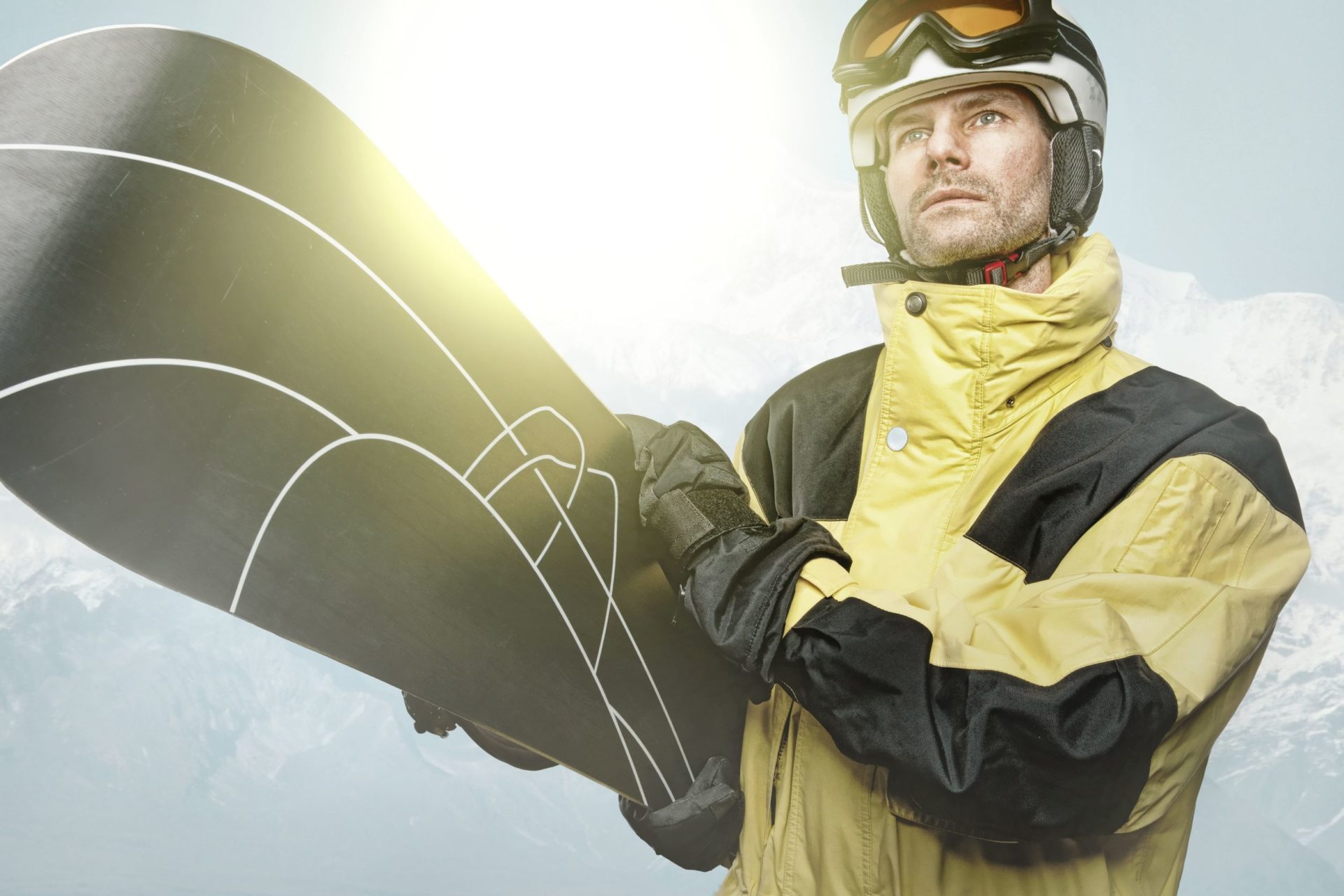
Ankle injuries make up approximately 15 percent of all snowboarding injuries, with most affecting the lead leg. Approximately half of all ankle injuries in snowboarding are fractures. The “snowboarder’s fracture” occurs because of sudden upward movement of the foot, combined with the foot turning inwards. This injury typically occurs when landing from a jump. Pain is present on the outer side of the foot and ankle, and is often associated with swelling, bruising and significant tenderness to touch. Unfortunately, this injury is often missed, because regular X-rays do not always show the fracture very well. A CT scan may be helpful in making the diagnosis.
Treatment of the snowboarder’s fracture depends on how big and how displaced the broken fragment is. Minimallydisplaced or non-displaced fractures can be treated non-surgically, with 4 to 6 weeks of cast wearing and no weight-bearing on the leg. Large and displaced fractures are typically treated with surgery—the fragment is reduced into its normal position and screws are inserted to hold it in place. Small fragments which are broken into many little pieces may sometimes be removed. Recovery after surgery also includes a period of non-weight-bearing, followed by gradual restoration of motion, strength, and function of the ankle joint.
Outcomes of snowboarder’s fractures are typically good if the injury is diagnosed in a timely fashion and appropriately treated. Most athletes are able to get back to physical activity within 4 to 6 months. However, significant complications may result if this fracture is missed and appropriate treatment is delayed. These include non-healed bony fragments causing pain and dysfunction, as well as early arthritis of the joint, which can significantly limit movement of the foot. When a snowboarder presents with acute pain on outer side of the foot or ankle after an injury on the slopes, it is imperative that a careful physical examination is administered by a trained medical professional, and appropriate diagnostic imaging is ordered, so as to avoid missing this injury.
The other ankle injuries in snowboarders include ankle sprains, as well as soft-tissue inflammation due to repetitive friction between the boot and the ankle, or from compression by the binding straps. Most sprains can be treated with a period of protected weight-bearing (using an ankle brace or a special boot), combined with a rehabilitation program to gradually regain motion and strength. Non-traumatic soft-tissue inflammation typically resolves with a period of rest and abstaining from snowboarding, but if it persists or recurs, surgical treatment may be necessary. For more information on preventing skiing/snowboarding injuries visit www.stopsportsinjuries.org/skiing-andsnowboarding-injury-prevention.
References
Sachtleben TR. Snowboarding injuries. Curr Sports Med Rep. 2011.10(6):340-4.
Bladin C, McCrory P. Snowboarding injuries:An overview. Sports Med. 1995.19(5):358-64.
Mahmood B, Duggal N. Lower extremity injuries in snowboarders. Am J Orthop (Belle Mead NJ). 2014.43(11):502-5.
This article originally appeared in In Motion, an official wellness publication by The American Orthopedic Society For Sports Medicine in conjunction with AOSMI.