

When Knee Pain Follows You Off the Court
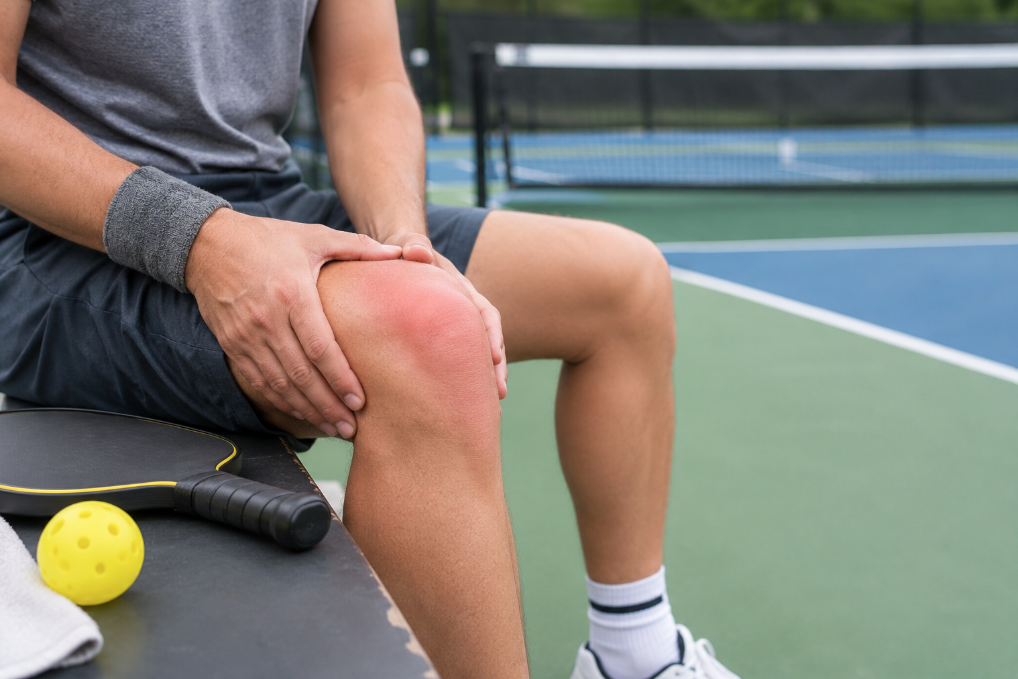
Pickleball is supposed to leave you tired—not wondering what’s wrong with your knee. If pain, swelling, or a sense that something is not quite right lingers after a game, it can be hard to know whether the knee is simply irritated or whether something more may be going on.
Meniscus injuries are one possible cause of knee pain after pickleball, but they are not the only explanation. Arthritis, tendon irritation, ligament strain, and overuse can produce overlapping symptoms, which is why the way the knee feels and functions over time matters more than any single sensation.
Understanding how pickleball places stress on the meniscus can help you make sense of persistent symptoms and decide when an orthopedic evaluation may be appropriate.
Key Takeaways
- Knee pain after pickleball is not always a meniscus tear.
- Twisting or pivoting can place stress on the meniscus.
- Swelling, locking, catching, or the knee giving way deserve attention.
- An orthopedic evaluation can help determine what’s causing your symptoms.
Why Does Pickleball Put Stress on the Meniscus?
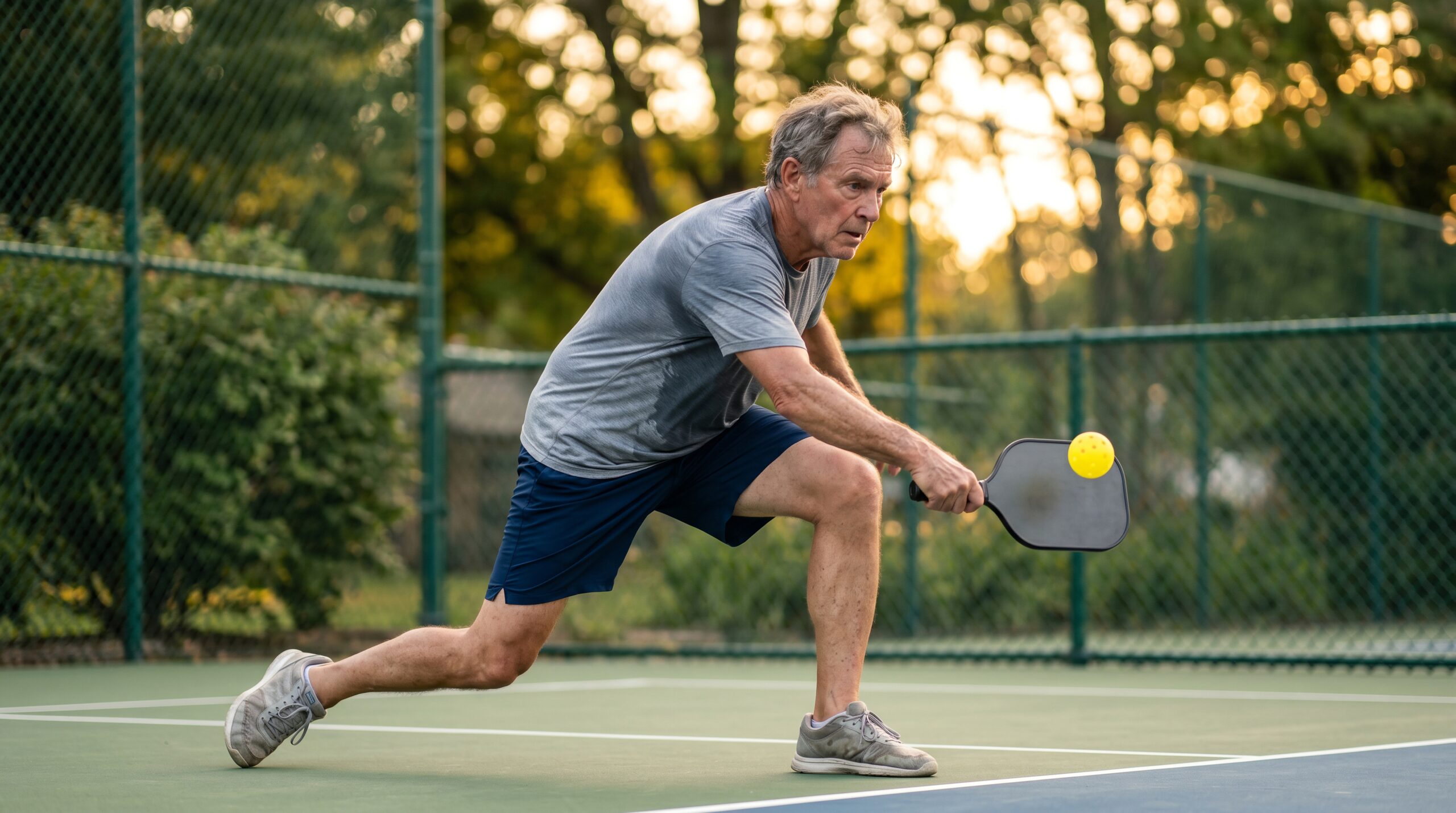
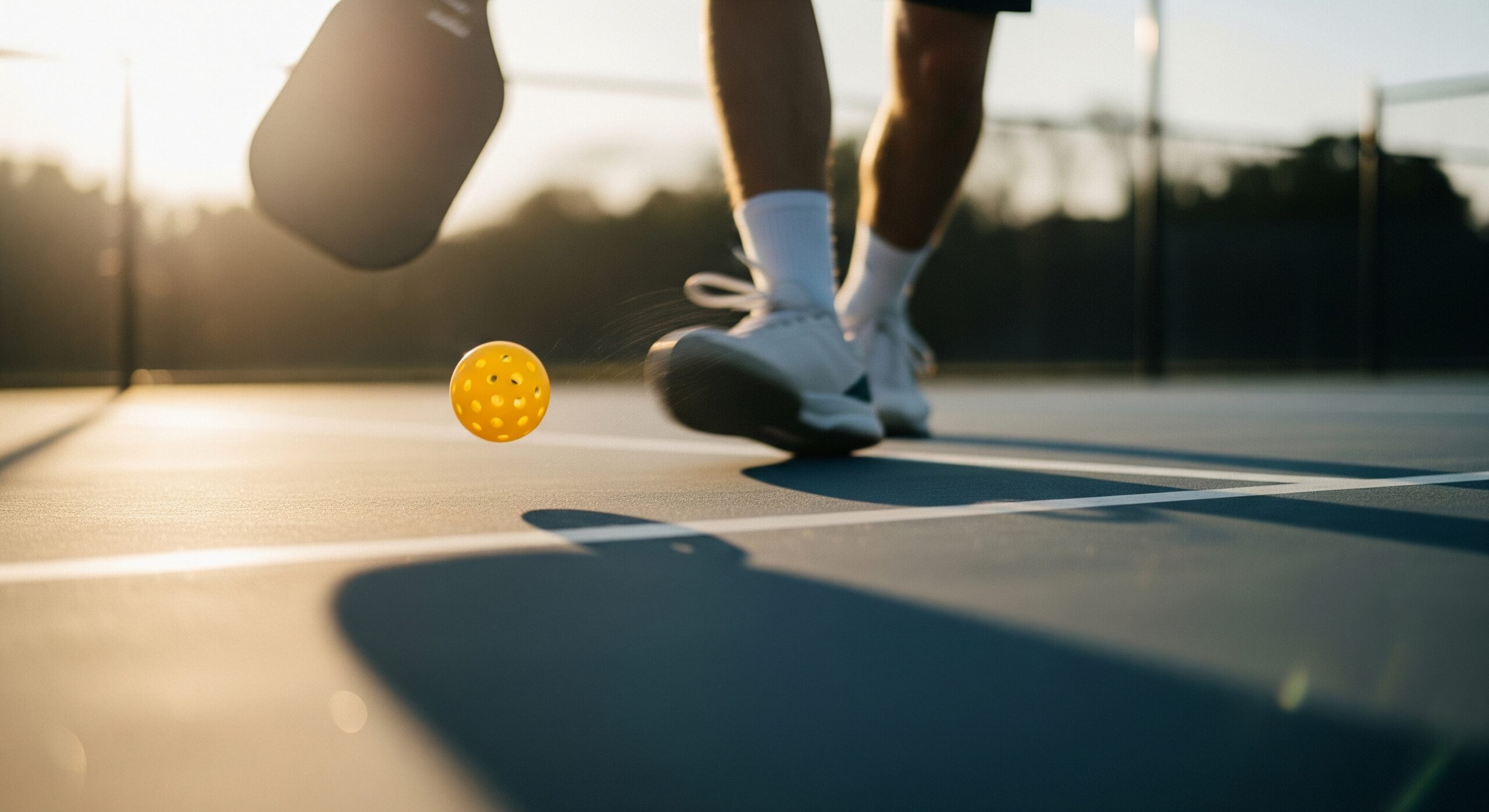
Pickleball stresses the meniscus when the knee bends and turns while the foot stays planted. That combination can compress or twist the cartilage that cushions the joint.
The motion may happen during a quick kitchen-line pivot, a sudden stop for a drop shot, or a sideways shuffle that becomes a twist. It does not need to look dramatic. Some people feel a pop right away; others finish the game and notice stiffness or swelling hours later.
The same movement can also aggravate arthritis, tendon irritation, or age-related cartilage changes. Symptoms alone cannot identify the cause, but they can help determine whether an orthopedic evaluation is appropriate.
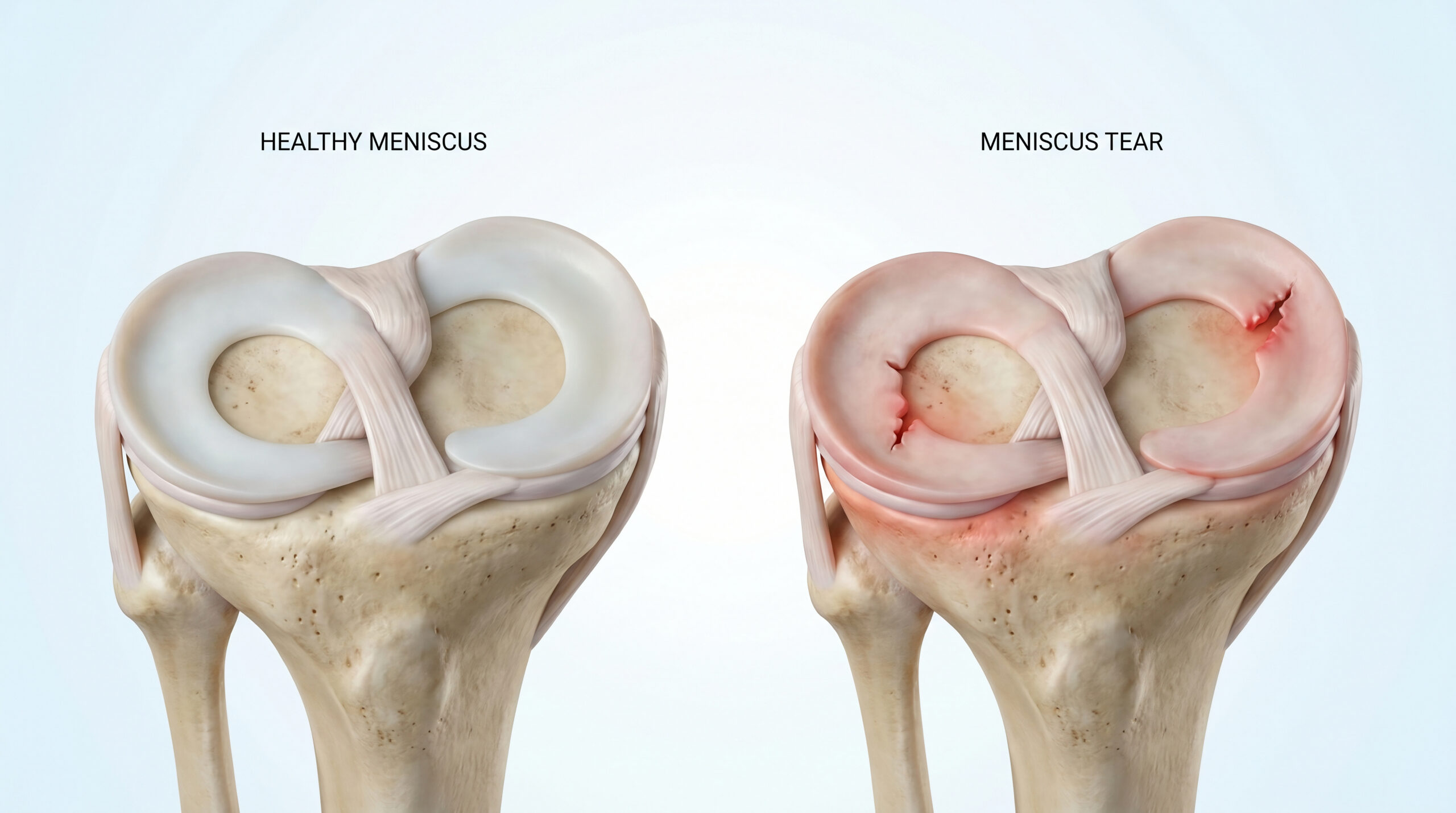
What is a meniscus tear?
A meniscus tear is damage to one of the two C-shaped pieces of cartilage that cushion the knee joint. The meniscus helps distribute weight, absorb shock, and stabilize the knee during movement.
Is It Normal Soreness or a Possible Knee Injury?
Meniscus symptoms and routine post-game soreness can overlap, but the patterns below may help explain why certain changes deserve closer attention.
| Symptom | Possible Meniscus Tear | Normal Post-Game Soreness |
| Pain | Often along the joint line | More generalized muscle soreness |
| Swelling | May develop within hours | Usually minimal |
| Locking/Catching | May occur | Not expected |
| Instability | Can occur | Uncommon |
Why Do Active Adults Notice Knee Symptoms During Pickleball?
Pickleball demands balance, agility, and repeated bending without always feeling strenuous. That can make it easy to play longer than planned or increase court time faster than the knee is ready to tolerate.
Even healthy, active knees can have age-related changes, arthritis, or old injuries that become more noticeable during pickleball.
Does Every Meniscus Tear Require Surgery?
No. Many people improve with non-surgical care, depending on the tear pattern, its location, the symptoms, and the person’s activity goals. Tears associated with a locked knee, blocked motion, or persistent mechanical symptoms may prompt a surgical discussion.
Depending on the diagnosis and the person’s health, non-surgical care may include activity modification, physical therapy, bracing, or medications discussed with a healthcare professional. Injections may be considered in selected cases, particularly when another knee condition, such as arthritis, contributes to symptoms.
Surgical decisions are individualized. A knee specialist considers the tear type, the tissue’s healing potential, the amount of arthritis in the joint, activity goals, and whether symptoms continue despite appropriate non-surgical care.
What Happens During an Orthopedic Knee Evaluation?
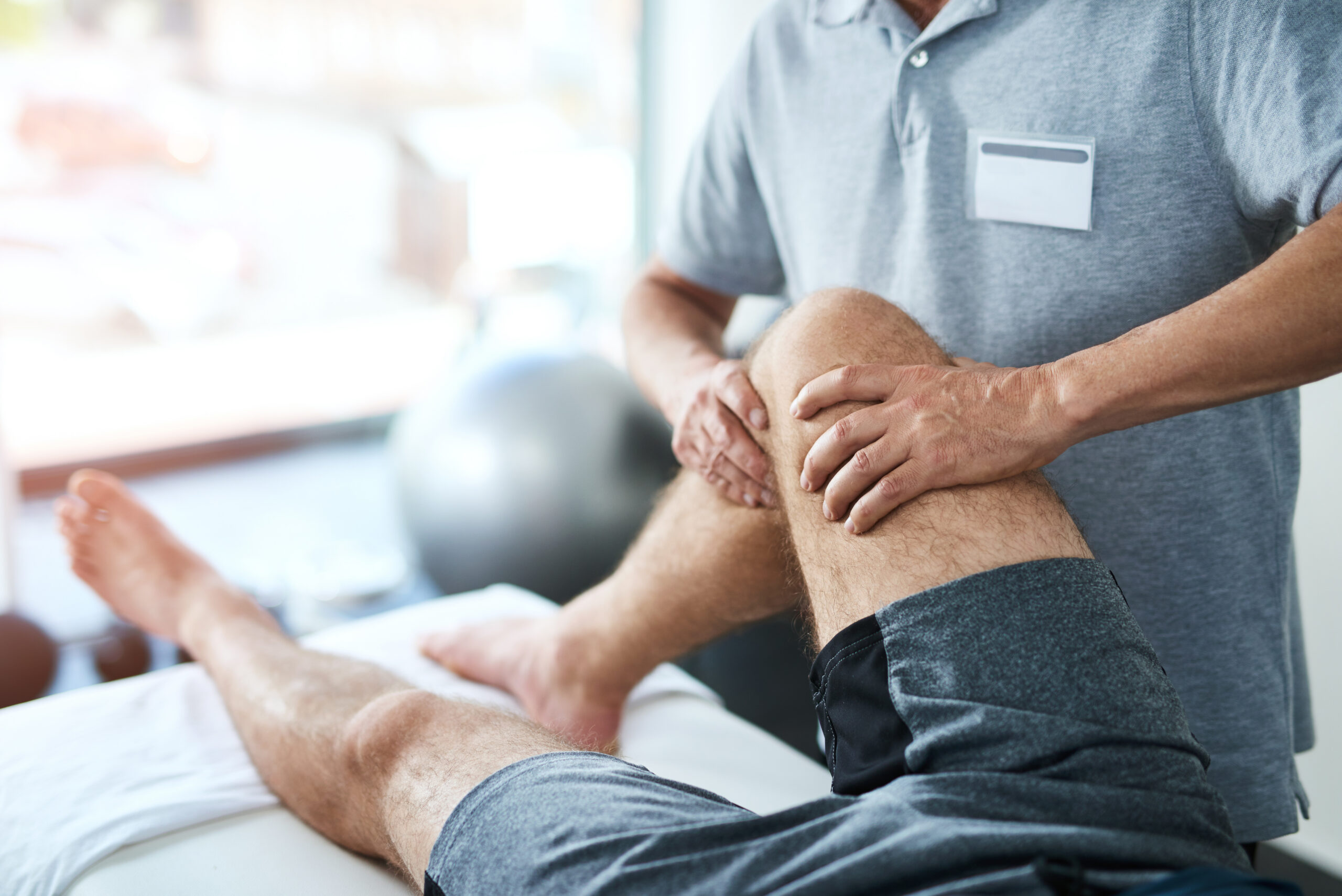
An orthopedic knee evaluation usually begins with questions about how the pain started, where it hurts, which movements trigger it, and whether the knee swells, catches, locks, or gives way. That history helps connect the moment on the court with how the knee is functioning now.
The physical exam assesses motion, tenderness, strength, stability, and the knee’s response to specific movements. X-rays can show arthritis or alignment changes. MRI may be considered when a soft-tissue injury needs more detail, but not every patient requires advanced imaging. Many knee problems can be identified through a detailed history and physical examination. Imaging studies are selected based on symptoms and examination findings rather than ordered routinely.
An orthopedic visit can clarify whether the next step is monitoring, physical therapy, bracing, an injection discussion, or a surgical consultation. The goal is not only to name the problem, but also to understand what the knee can tolerate.
What Can Support a Safer Return to Pickleball?
A safer return starts by respecting symptoms that change the way you move. Continuing to play through a knee that feels unreliable can make it harder to judge what the joint can safely tolerate.
Depending on the cause of pain, a clinician-guided return plan may address court-time progression, footwear, movement demands, strength, and conditioning. Recommendations should reflect the diagnosis, current knee function, and the activities that reproduce symptoms.
Improving symptoms may allow a gradual, more controlled return. Returning to play too quickly can prolong symptoms and make it harder to regain comfortable knee function. A gradual increase in court time based on comfort and knee function is often a better approach than trying to play through pain.
FAQs About Pickleball and Meniscus Tears
Can pickleball cause a meniscus tear?
Yes. Pickleball involves quick pivots, sudden stops, and twisting movements that can place stress on the meniscus. However, knee pain after pickleball isn’t always caused by a meniscus tear, so an evaluation may be needed to determine the source.
What does a meniscus tear feel like after pickleball?
Meniscus tears commonly cause pain along the joint line, swelling, stiffness, and mechanical symptoms such as catching or locking. Some people notice symptoms immediately, while others develop them later that day or the following morning.
Can you still play pickleball with a meniscus tear?
Some people continue playing with a meniscus tear, while others find that pain, swelling, or mechanical symptoms make it difficult. Whether it’s appropriate to keep playing depends on the severity of symptoms, the type of tear, and how the knee is functioning.
Should you stop playing pickleball if your knee hurts?
Pause play when knee pain changes your movement, affects balance, or makes the joint feel unreliable. Persistent symptoms should be evaluated before returning to full activity.
Can physical therapy help knee pain after pickleball?
Physical therapy can help many knee pain patterns by improving strength, motion, balance, and the way the leg absorbs force during activity. It can be used as part of non-surgical care or recovery after a procedure when surgery is appropriate.
When should I see an orthopedic specialist for pickleball knee pain?
Consider orthopedic care when knee pain is not improving, limits motion, interferes with daily activity, or keeps you from returning comfortably to the court. An evaluation can clarify the cause and discuss appropriate next steps.
Take the Next Step Toward Getting Back on the Court
If knee pain after pickleball is limiting your activity or making your knee feel unstable, an orthopedic evaluation can help determine what’s causing your symptoms and discuss treatment options that fit your goals. Call 732-720-2555 or request an appointment online.