

Expertly written by Dr. Wesly Nesbit, DPM & Dr. Kris Tardio, DC
Shin splints are one of the most common overuse injuries (injuries caused by repeated stress over time) seen in runners, court athletes, tactical professionals, and active adults. If you are searching for shin splints treatment, understanding why the pain develops is the first step toward recovery. Although often described as “minor,” ongoing shin pain can interfere with training and daily activities if it is not addressed early.
Shin splints are medically referred to as medial tibial stress syndrome (MTSS), a condition involving irritation of the inner border of the shin bone (tibia) caused by repetitive stress.
At Advanced Orthopedics and Sports Medicine Institute (AOSMI), Dr. Wesly Nesbit and Dr. Kris Tardio take a collaborative approach (working together across specialties) to evaluate shin pain by assessing both lower leg mechanics and full-body movement. Treatment plans focus on activity levels (training load), muscle strength, and movement patterns that may influence symptoms.
While many mild cases improve with rest and small activity adjustments, persistent or recurring shin pain may require a more detailed evaluation. In these situations, identifying movement patterns, training habits, and muscle imbalances can help guide the next steps in care.
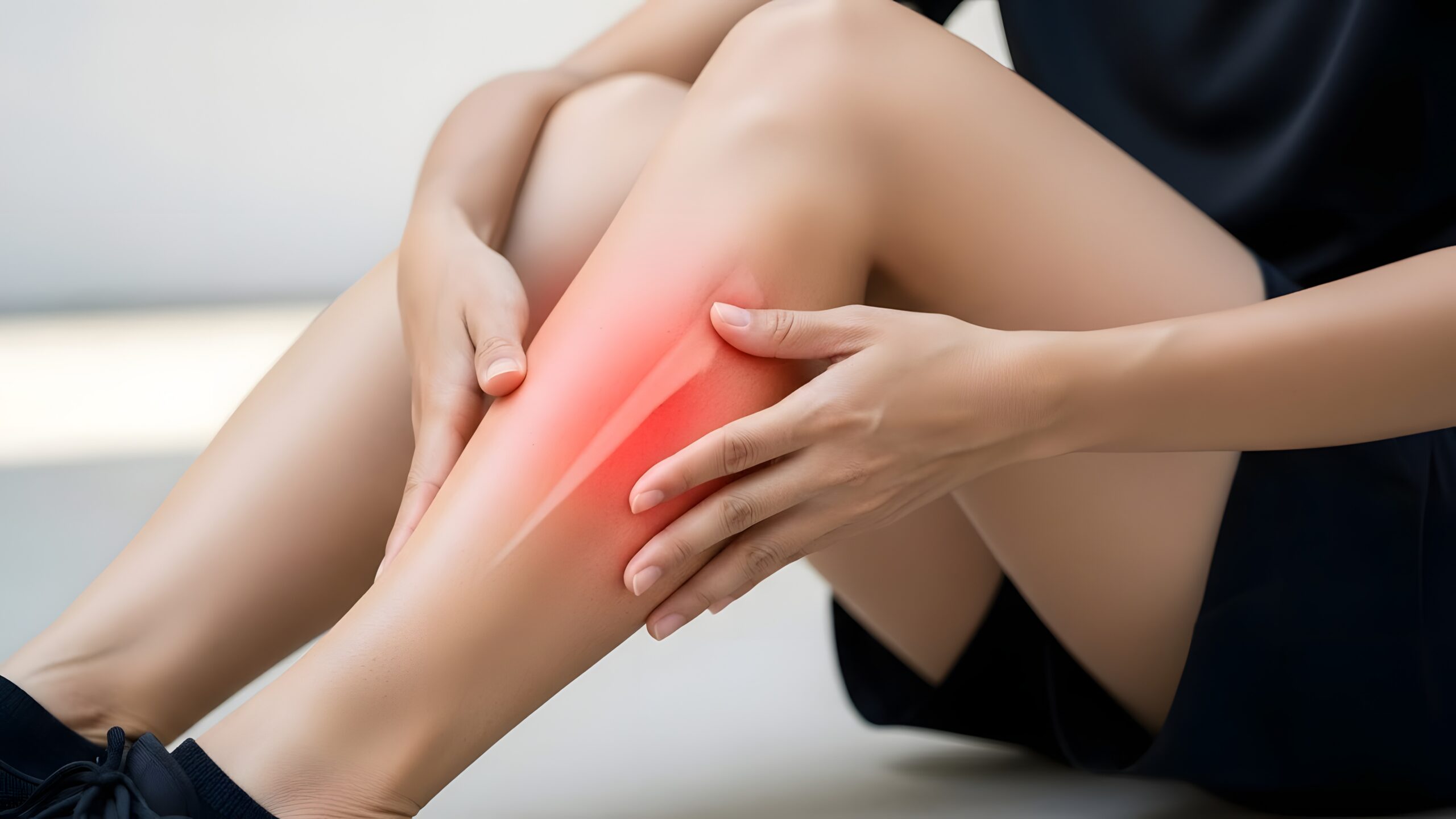
What Are Shin Splints?
Shin splints may cause diffuse pain (spread-out soreness) along the inner border of the tibia (shinbone).
Symptoms typically include:
- Pain that develops gradually
- Pain that worsens with activity
- Pain that improves with rest
- Tenderness over a broad area (not pinpoint like a stress fracture)
Current research describes MTSS as a bone stress reaction (early-stage stress injury) involving irritation along the shin bone. This often happens when repetitive loading (repeated impact from activity) exceeds the body’s ability to adapt.
What Causes Shin Splints?
Shin splints are rarely caused by a single factor. Instead, they usually develop when training load increases too quickly and combines with biomechanical stress (movement or alignment issues).
Contributing Factors
- Sudden increase in mileage, intensity, or surface change
- Excessive foot pronation or poor foot mechanics
- Weak calf muscles or weakness in the tibialis anterior and tibialis posterior muscles
- Tight gastrocnemius/soleus
- Inadequate footwear
- Training on hard or uneven surfaces
- Poor recovery strategies
Research consistently shows that training errors (such as increasing mileage too quickly) and biomechanical overload (excess stress during movement) are the main causes of MTSS.
Learn More About Prevention and Early Treatment
For detailed guidance on footwear selection, prevention strategies, icing recommendations, and early-stage care, visit AOSMI’s comprehensive resource on shin splints prevention and treatment.
Modern Treatment Approaches for Shin Splints
While activity modification and strengthening remain foundational for managing shin splints, newer regenerative technologies are increasingly being incorporated into treatment programs. These therapies help support circulation, stimulate tissue healing, and complement rehabilitation exercises.
At AOSMI, providers may incorporate technologies such as EPAT shockwave therapy and pneumatic compression devices into a comprehensive treatment approach when appropriate.

Our Multimodal Treatment Philosophy
There is no single treatment that works for every case of shin splints. Instead, treatment usually involves adjusting activity levels, strengthening muscles, and using supportive technologies that may assist in recovery. Research supports a multimodal approach (using several treatments together) that includes adjusting activity levels, strengthening exercises, and additional therapies when needed.
Here is a protocol commonly implemented in the clinic, which may include strengthening, stretching, EPAT therapy, and NormaTec compression therapy.
Phase-Based Treatment Protocol
Phase 1: Acute Load Management (Weeks 0–2)
Phase 1 focuses on reducing or temporarily stopping high-impact activity and replacing it with cycling, swimming, or rowing. Ice may be used for symptom control. Footwear assessment, orthotics if biomechanically indicated, gentle calf mobility work, spinal and pelvic alignment assessment when clinically indicated, EPAT treatment, and NormaTec compression boots may be incorporated as appropriate.
Phase 2: Strength Restoration (Weeks 2–6)
Progressive strengthening is critical. Research shows that tissue capacity (the ability of muscles and bones to handle stress) must improve to prevent the injury from coming back.
Lower Leg Strengthening Focus:
- Eccentric calf raises (straight & bent knee)
- Tibialis anterior raises
- Tibialis posterior strengthening
- Single-leg balance drills
- Hip abductor and glute strengthening
We emphasize progressive loading, not just stretching.
Phase 3: Adjunctive Regenerative Support
When symptoms persist or recovery plateaus, we integrate advanced recovery modalities:
EPAT / Shockwave Therapy (4–6 Sessions)
Extracorporeal Pulse Activation Technology (EPAT) is a form of radial shockwave therapy that delivers acoustic pressure waves (sound waves) to targeted tissue areas. These pulses are designed to help stimulate circulation and cellular activity (healing processes) in the affected area.
In the context of shin splints, EPAT therapy may be used to support the body’s natural healing response in areas experiencing repetitive stress.
Research has explored the role of shockwave therapy as an adjunct to exercise-based rehabilitation for certain chronic overuse injuries.
NormaTec Compression Therapy
Intermittent pneumatic compression devices (devices that apply rhythmic air pressure) such as NormaTec boots are used to apply pressure to the legs. This compression pattern may improve circulation and help the legs recover between rehabilitation sessions.
Clinicians may incorporate compression therapy to help reduce muscle fatigue and support circulation for athletes and active individuals managing shin splints.

Why We Include NormaTec:
Intermittent pneumatic compression may improve venous return, reduce lower-leg swelling, enhance lymphatic drainage, decrease post-treatment soreness, and support recovery between sessions.
While compression boots are not a direct treatment for MTSS, they may help support recovery, especially for athletes continuing to train during rehabilitation.
Integrated Protocol Example:
- EPAT session
- Followed immediately by 20–30 minutes of NormaTec compression
- Progressive lower leg strengthening session
- Gradual return-to-run progression
This combined approach supports healing, improves circulation, and helps the body rebuild tolerance to activity (handle training again).
Understanding Newer Treatment Technologies
Many patients may not be familiar with technologies such as EPAT shockwave therapy or pneumatic compression devices. These modalities are increasingly used in sports medicine settings as part of broader treatment strategies for overuse injuries.
Education about these options helps patients understand the range of tools clinicians may incorporate into a comprehensive treatment plan.
Return-to-Run Progression
Returning to running may include walk–jog intervals, gradual mileage increases, surface adjustments, and continued strengthening exercises. One common mistake is returning to full training too quickly once pain decreases. Less pain does not always mean the tissues are fully healed.
What the Research Currently Supports
- No single intervention cures shin splints universally.
- Exercise-based rehabilitation remains foundational.
- Shockwave therapy shows evidence as an adjunct in MTSS.
- Recovery tools like pneumatic compression help improve circulation and recovery, especially in athletic populations.
Clinical outcomes often improve when multiple treatment strategies are combined.
Frequently Asked Questions About Shin Splints
Can shin splints heal on their own?
Many mild cases improve with rest and activity modification. However, persistent pain may require evaluation to identify contributing factors.
How long do shin splints take to heal?
Recovery may take several weeks depending on the severity of symptoms and activity levels.
Are shin splints the same as a stress fracture?
No. Shin splints typically cause broad, diffuse pain along the shin, while stress fractures usually cause more localized pain.
Can you run with shin splints?
Continuing to run through pain may worsen symptoms. In some cases, activity modification is often recommended during early recovery.
Taking the Next Steps in Your Care
AOSMI provides musculoskeletal care (bones, joints, and muscles) for individuals and athletes across New Jersey. We offer evaluation and treatment for a wide range of musculoskeletal conditions, including overuse injuries such as shin splints.
This article was clinically written by Wesly Nesbit, DPM, and Kristopher Tardio, DC. In addition, their collaborative perspective reflects AOSMI’s multidisciplinary approach (providers from different specialties working together) to evaluate movement patterns, biomechanics, and injuries such as shin splints.
AOSMI provides care across multiple locations in New Jersey, including Freehold, Monroe Township, Toms River, Belmar, Manalapan, and the Freehold Athletic Club. Request an Appointment Online
Physicians Department (Dr. Wesley Nesbit): 732-720-2555
Physical Therapy/Rehabilitation Department (Dr. Kristopher Tardio): 732-720-2566