
What’s New at AOSMI
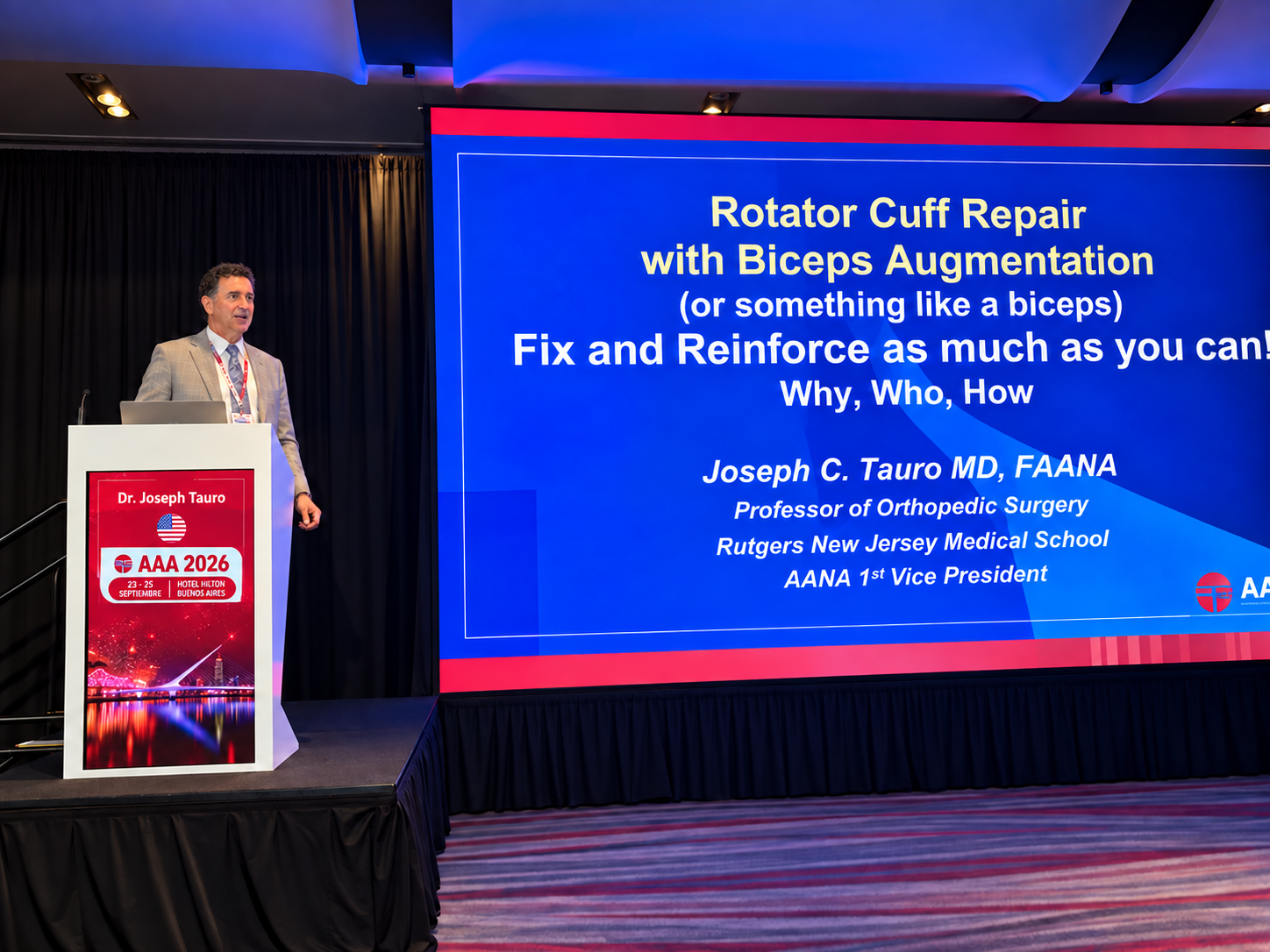
Advanced Orthopedics and Sports Medicine Institute’s (AOSMI) Dr. Joseph Tauro joined surgeons from around the world in Buenos Aires, Argentina, as a speaker at the 18th International Congress of the Argentine Arthroscopy Association (AAA 2026). Held September 23 to 25, 2026, the meeting gathered more than 800 medical professionals from the United States, Canada, France, Italy, Brazil and Mexico.
His part of the program focused on two shoulder problems that affect many active people. The first was large rotator cuff tears, which can often be repaired with shoulder arthroscopy instead of replacing the joint. The second was shoulder dislocations in young athletes, where the timing of care after a first injury can affect which treatment options are available later.
What You’ll Learn
- What Dr. Tauro spoke about at AAA 2026
- How large rotator cuff tears can be repaired instead of replaced
- How your own biceps tendon can add support to a repair
- Why early care matters after a shoulder dislocation
Why Dr. Tauro Spoke at AAA 2026
Meetings like AAA 2026 give surgeons from different countries a chance to compare approaches and learn from one another. Dr. Tauro was one of many speakers on the program, and he shared his experience with two shoulder problems that orthopedic surgeons see often: large rotator cuff tears and shoulder dislocations in young athletes.
Dr. Tauro has spent decades performing and teaching arthroscopic shoulder surgery. He serves on the Board of Directors and is a Master Instructor for the Arthroscopy Association of North America (AANA). The group honored him with its 2025 Distinguished Service Award.
He also trains future surgeons at Rutgers New Jersey Medical School and helps create new tools and techniques for shoulder surgery.
“Teaching in Buenos Aires was an honor. When surgeons from different countries share what works, patients everywhere benefit, including the patients we care for right here in New Jersey,” says Joseph Tauro, MD.
Can a Torn Rotator Cuff Be Fixed Without Replacing the Shoulder?
The first topic Dr. Tauro spoke about in Buenos Aires was how surgeons approach large rotator cuff tears, and when those tears can be repaired rather than treated with a shoulder replacement.
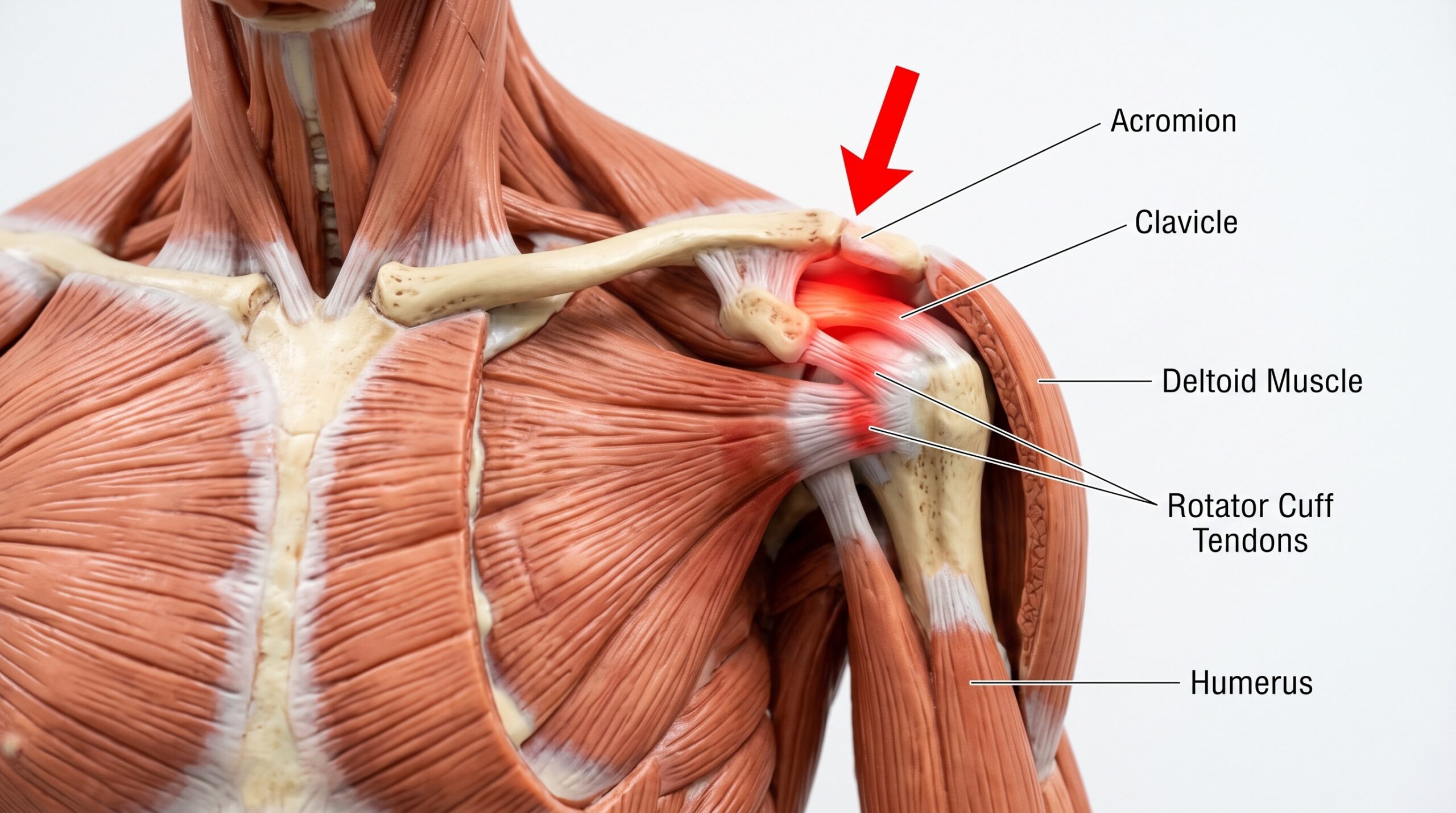
Your rotator cuff is a group of four muscles and tendons that keep the top of your arm bone centered in the shoulder socket. It helps you lift a grocery bag, throw a ball or reach a high shelf.
When a tear gets very large, the tendon can pull back away from the bone and the muscle can weaken over time. For years, shoulder replacement was often the main treatment option for tears like this.
Today, shoulder arthroscopy offers another option for many of these tears. Working through a few small cuts with a tiny camera, the surgeon uses stronger anchors and improved stitch patterns to reattach the tendon to the bone, and tissue implants can add support while it heals. The goal is to keep your own shoulder joint whenever possible.
“A large rotator cuff tear doesn’t automatically mean a shoulder replacement. If we can save a patient’s own shoulder, that’s where we start,” explains Dr. Joseph Tauro.
How Can Your Own Biceps Tendon Help a Rotator Cuff Repair?
Dr. Tauro also spoke about using the biceps tendon to reinforce a rotator cuff repair. One part of the biceps tendon runs through the top of the shoulder, right next to the rotator cuff, which makes it a natural source of extra support.
During surgery, the surgeon moves this part of the tendon over the repair to add an extra layer of tissue. Because the tendon stays attached, it keeps its own blood supply, which can support healing.
Who Is a Good Fit for This Type of Repair?
A good candidate usually has a large rotator cuff tear that can still be repaired, tendon tissue that is thin or weak, and a healthy biceps tendon. This approach is usually not an option if the biceps tendon is badly frayed or torn, if it was released or moved in an earlier surgery, or if the shoulder already has advanced arthritis.
Why Does Early Treatment Matter After a Shoulder Dislocation?
For many young athletes, the first dislocation is the right time to talk about preventing the next one. Dr. Tauro’s second topic was early arthroscopic treatment, which research shows can greatly lower the chance of the shoulder coming out again, especially in athletes.
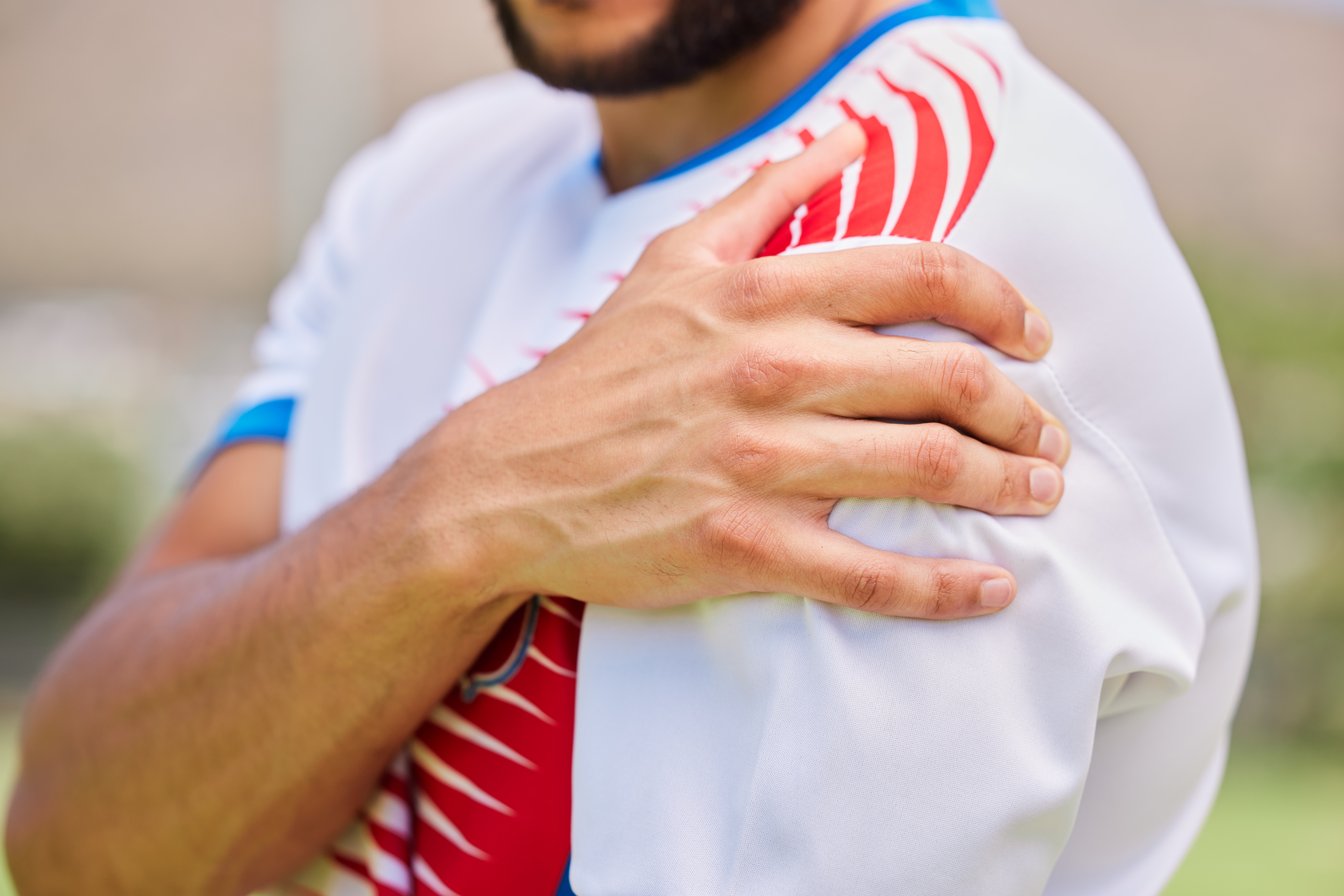
A dislocation happens when the ball of the shoulder is forced out of its socket, often during a tackle, a hard fall on an outstretched arm or a collision in sports. It can tear the labrum, a ring of cartilage that helps hold the ball in place, and in young athletes this tear frequently does not heal well on its own.
A review of research studies found that about 6% of patients with a first-time dislocation had their shoulder slip or feel unstable again after surgery to stabilize it. For patients treated with only a sling, that number was about 47%.
What Happens If Treatment Is Delayed?
Each new dislocation can tear more cartilage and wear away bone at the edge of the socket. Once too much bone is gone, a small arthroscopic repair may no longer be enough, and the athlete may need a bigger, more invasive surgery.
Not every first dislocation needs surgery, and the right choice depends on things like your age and how much damage the injury caused. Seeing a shoulder surgeon soon after the injury can help you understand your options.
“For a young athlete, the first dislocation is the time to get it checked. Each time the shoulder comes out again, there can be more to repair,” says Dr. Joseph Tauro.
Shoulder Care Topics at a Glance
| Topic | What It Means for Patients |
| Repairing large rotator cuff tears with arthroscopy | Some patients can keep their natural shoulder instead of having it replaced |
| Using the biceps tendon to support a repair | Adds strength from tissue already in your shoulder |
| Treating shoulder dislocations early | Can lower the chance of the shoulder coming out again |
| Checking for bone loss after a dislocation | Bone loss at the socket affects which type of repair can work |
Frequently Asked Questions
What Is Shoulder Arthroscopy?
Shoulder arthroscopy is surgery done through a few small cuts. The surgeon uses a tiny camera and thin tools to see and repair problems inside the joint.
Is Every Rotator Cuff Tear Repairable?
Not every rotator cuff tear can be repaired. Your surgeon looks at the size of the tear, the health of the tendon and muscle, and how you use your shoulder day to day, and uses an exam and an MRI to help decide whether a repair is right for you.
Should I See a Doctor After My First Shoulder Dislocation?
Yes. If your shoulder went back into place on its own, make an appointment with a shoulder surgeon, who can check for labrum tears and bone damage and explain your risk of it happening again. If it is still out of place, do not try to put it back in yourself. Get care right away at an orthopedic urgent care or emergency room, then follow up with a shoulder surgeon.
Where Can I See Dr. Joseph Tauro?
Dr. Tauro sees patients at AOSMI’s Toms River office. To book an appointment with Dr. Joseph Tauro in the Toms River location, call 732-341-6226.
When Should I See a Doctor About Shoulder Pain?
It may be time for an appointment if you notice:
- Shoulder pain that wakes you up at night
- Weakness when you lift your arm
- Pain when you reach overhead or behind your back
- A shoulder that has popped out of place or feels loose and unstable
AOSMI offers surgical and non-surgical shoulder care throughout New Jersey. If shoulder pain or instability is getting in the way of work, sleep or sports, call the AOSMI team at 732-720-2555 or request an appointment online.
*This article is for general educational purposes only and should not be taken as medical advice. Every patient is different, and AOSMI does not recommend a diagnosis or treatment without an appropriate clinical assessment. If you have questions about your symptoms, speak with a qualified healthcare professional.
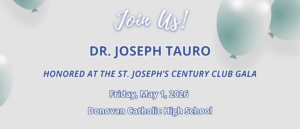
We are proud to share that Dr. Joseph Tauro will be honored at the St. Joseph’s Century Club Gala on Friday, May 1, 2026 at Donovan Catholic High School. For patients and members of the community, this recognition highlights a physician whose impact extends beyond patient care.
This special event raises scholarship funds to help graduating students from St. Joseph Grade School continue their education at Donovan Catholic High School.
In addition to caring for patients throughout the community, Dr. Tauro has been a dedicated supporter of St. Joseph Grade School and Donovan Catholic High School for more than 30 years. He has remained a constant presence in the school community, consistently putting students first and going above and beyond to support their growth and opportunities.
Recognizing Dr. Joseph Tauro
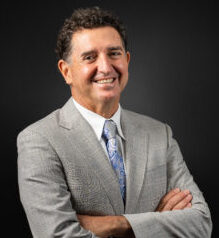
Dr. Joseph Tauro is a board-certified orthopedic surgeon serving patients in the Toms River, New Jersey community. He specializes in the treatment of shoulder, sports, and degenerative joint conditions. As an orthopedic surgeon in Toms River, NJ, Dr. Tauro has cared for patients across the region for decades.
In addition to his clinical work, Dr. Tauro is a Clinical Professor of Orthopedic Surgery at New Jersey Medical School, where he helps train future orthopedic surgeons. He is also a Master Instructor and serves on the Board of Directors of the Arthroscopy Association of North America, contributing to the advancement of orthopedic techniques.
He is also involved in developing new techniques and advancements in orthopedic care, including minimally invasive procedures and surgical training methods.
His recognition at the Century Club Gala reflects the lasting impact of that commitment over time.
About the Event
The Century Club Gala raises scholarship funds to help students from St. Joseph Grade School continue their education at Donovan Catholic High School. The event brings together local families, professionals, and community members in support of education.
Event Details:
- Date: Friday, May 1, 2026
- Time: 6:00 PM
- Location: Donovan Catholic High School
Community members are invited to attend the event and take part in this special evening.
 Join the Celebration
This event offers an opportunity to recognize Dr. Tauro’s longstanding commitment to the community while supporting students as they continue their education.
Reserve Tickets | Learn More About Dr. Tauro
AOSMI is proud to recognize members of its team who continue to make an impact both inside and outside of patient care.
April is Occupational Therapy Month, a time to highlight how occupational therapy supports the activities people rely on every day.
First recognized in 1980 alongside the AOTA Conference & Expo, this month shines a spotlight on the meaningful work of occupational therapists (OTs) and occupational therapy assistants (OTAs). It celebrates the people who help others live more independent, fulfilling lives.
From helping children with disabilities build everyday skills to supporting individuals with memory, focus, and problem-solving, OTs and OTAs make a real difference in how people move through their daily routines.
Many daily tasks depend on small, precise movements. Things like holding a phone, cooking a meal, or getting dressed all require coordination and strength. When something affects the hand, wrist, or elbow, these simple tasks can become more difficult.
Occupational therapy focuses on helping people stay engaged in these routines—so they can continue doing what matters most to them.

What is an Occupational Therapist
An occupational therapist (OT) helps people do everyday activities after an injury, surgery, or condition.
They focus on things like:
- Using your hands and arms
- Getting dressed or cooking
- Returning to work or daily routines
In orthopedics, they often work with hand, wrist, elbow, and shoulder conditions and may use exercises or splints to support movement.
Why Daily Activities Matter
It is common to focus on pain or injury. However, what often matters most is how that issue affects daily life.
A hand or wrist condition does not just affect one area. It can change how you move throughout the day. Tasks at home, work, or even hobbies may feel different.
This is why occupational therapy looks at the full picture. It connects movement to real-life activities, not just symptoms. This approach reflects the goal of Occupational Therapy Month, supporting meaningful engagement in daily life.
Occupational Therapy at AOSMI
At AOSMI’s Freehold location, occupational therapy is part of a collaborative orthopedic setting. Care may be coordinated with other providers when appropriate.
This type of approach can be helpful for people managing injuries, post-surgical needs, or ongoing conditions. Each plan is based on the individual and how their condition affects daily routines.
A Closer Look at Hand Therapy
Hand therapy is a more focused area within occupational therapy. It requires advanced training and experience.
Leah Rubino, MS, OTR, CHT, CLT-LANA, is a Certified Hand Therapist with over 20 years of experience. She works with patients who have conditions affecting the hand, wrist, and elbow.
These areas are complex. Even small changes in movement can affect daily function. Because of this, care is often detailed and specific to the patient.
How Hand Therapy Works Alongside Orthopedic Care
Hand therapists often work closely with orthopedic providers as part of a coordinated care approach. When appropriate, communication between the therapist and physician can help guide treatment decisions, especially for patients recovering from injury or surgery.
At AOSMI, this collaboration may include working alongside physicians such as Dr. Edward J. Armbruster, board-certified orthopedic surgeon with fellowship training in hand and microvascular surgery. His focus on hand and upper extremity conditions can complement the work of hand therapy, helping align treatment plans with each patient’s needs and progress.
This type of coordination can support more consistent progress over time, with adjustments made based on how the hand, wrist, or elbow is responding throughout care.

Custom Splinting and Support
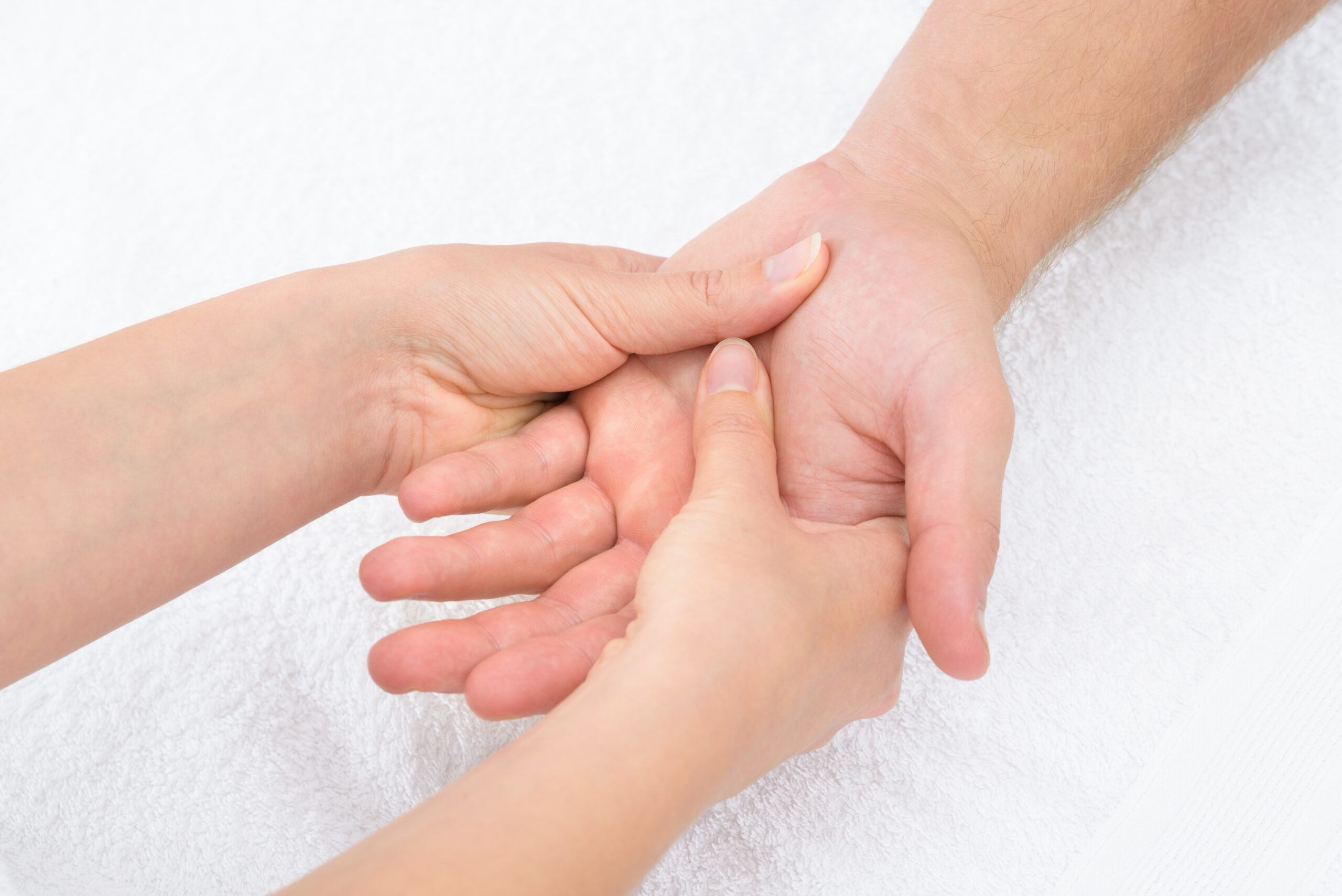
Custom splinting is one part of care that can support hand and wrist conditions. A splint is designed to protect or support a joint.
At AOSMI, splints are made on-site and adjusted over time. They are designed to fit the patient and their daily needs, rather than using a standard option.
When Daily Tasks Start to Feel Different
Changes in function do not always happen all at once. They may start with small challenges that build over time.
You may begin to notice:
- Difficulty gripping or holding objects
- Stiffness that limits movement
- Trouble with routine tasks like writing or lifting
- Discomfort during daily activities
An evaluation can help identify what may be contributing to these changes and what care options may be appropriate.
What Occupational Therapy May Focus On
Each plan is different, but care often centers around a few key areas:
- Supporting safe movement during daily tasks
- Addressing limits in strength or coordination
- Improving how the hand and wrist function together
- Helping patients adapt to changes in movement
The goal is to support participation in everyday activities in a safe and manageable way.
Frequently Asked Questions
What does occupational therapy focus on?
It focuses on helping people take part in daily activities like dressing, cooking, and working.
Is hand therapy different from occupational therapy?
Yes. It is a specialized area that focuses on the hand, wrist, and elbow.
What conditions can be addressed?
This may include carpal tunnel syndrome, tendon injuries, arthritis, and nerve-related symptoms.
Do all patients need splints?
No. Splints are used when appropriate based on the condition and care plan.
What is the Difference between Occupational Therapy and Physical Therapy
An occupational therapist (OT) focuses on helping people with everyday tasks like using their hands, getting dressed, or returning to daily routines. A physical therapist (PT) focuses on movement, strength, balance, and improving how the body moves overall.
Learn More About Your Options
If daily tasks are starting to feel more difficult, it may be helpful to explore what could be contributing to those changes.
Occupational therapy and hand therapy can play a role in supporting movement and function. Understanding your options is often the first step.
To learn more about occupational therapy services in Freehold, NJ, you can call 732-720-2566 or Request an Appointment for more information.
World Health Day 2026 shares a clear message: “Together for Health. Stand with Science.”
This theme highlights how research and teamwork shape everyday health. It also shows how informed choices can affect how the body moves and feels over time.
People across Freehold, Monroe Township, Toms River, Belmar, Manalapan, and Freehold Athletic Club make daily decisions about activity, nutrition, and care.
World Health Day 2026 and Science-Based Healthcare

Science-based healthcare uses research, data, and clinical experience. This approach helps providers understand how the body responds to movement, strain, and recovery.
It also helps individuals make more informed choices.
Following science-based guidance may help people:
- understand how movement affects joints and muscles
- notice changes in physical function
- explore care options with better awareness
- build consistent daily habits
One Health Approach and Daily Health Habits
The One Health approach connects human health with the world around us. This includes the environment, daily routines, and access to care.
This concept may seem broad, but it shows up in simple ways. Safe places to walk, access to fresh food, and healthy routines all play a role in daily life.
Health is not shaped by one factor alone. It is influenced by many small choices over time.
Health Tips for Staying Active and Supporting Mobility
Movement plays a role in how the body functions each day. Activity does not need to be intense. It should match personal comfort and ability.
Examples of ways to stay active:
|
Activity |
Time |
Weekly Frequency |
What It May Support |
|
Walking |
20–30 min |
4–5 days |
Joint movement, circulation |
|
Stretching |
10–15 min |
Daily |
Flexibility, mobility |
|
Strength exercises |
20 min |
2–3 days |
Muscle support |
|
Low-impact cardio |
25–40 min |
3–4 days |
Endurance |
Adding variety can help keep routines more engaging. Some people prefer outdoor walks, while others may choose guided workouts or group classes.
Recognizing Early Signs of Joint or Muscle Changes
The body often gives signals when something changes. These signs may start small and build over time.
Common signs may include:
- stiffness after rest
- discomfort with movement
- reduced range of motion
- changes in balance
Noticing patterns, such as when symptoms start or how long they last, may help guide conversations with a provider.
Nutrition Tips That Support Daily Function
Food supports how the body moves and recovers. A balanced approach to eating can help maintain energy throughout the day.
Sample guide:
|
Food Group |
Examples |
Key Nutrients |
Role in the Body |
|
Fruits |
Apples, berries |
Vitamin C, fiber |
Daily function |
|
Vegetables |
Spinach, carrots |
Vitamins A, K |
Tissue and bone support |
|
Protein |
Fish, beans, eggs |
Protein, iron |
Muscle support |
|
Whole grains |
Oats, brown rice |
Fiber, B vitamins |
Energy support |
Advancing Orthopedic Care Through Science at AOSMI

The theme of World Health Day—working together and using science—also shapes care at Advanced Orthopedics and Sports Medicine Institute (AOSMI).
Advanced Diagnostics for Better Understanding
Imaging and diagnostic tools help providers evaluate joint and muscle concerns. This supports more informed care planning.
Collaborative Care from Orthopedics to Rehabilitation
Orthopedic providers and rehabilitation teams work together throughout care. This approach keeps treatment and recovery aligned.
Advanced Treatment Options in Orthopedic Care
Ongoing research continues to shape available treatment options. AOSMI offers access to several modern approaches, including:
- BEAR Implant
- WALANT Procedure
- Cartilage Restoration and MACI
- EPAT and FAST Percutaneous Tenotomy
These options reflect a focus on research and evolving care methods.

Frequently Asked Questions
What is World Health Day 2026?
It is a global health awareness day focused on science and collaboration.
What does “Stand with Science” mean?
It refers to using research and trusted information when making health decisions.
How much activity is recommended each week?
Needs vary, but regular movement throughout the week may support overall function.
When should someone seek care for joint pain?
If symptoms continue or affect daily activity, it may be helpful to consult a provider.
Staying Informed About Your Health
World Health Day highlights how knowledge and shared effort shape health outcomes.
For individuals in Freehold, Monroe Township, Toms River, Belmar, Manalapan, and Freehold Athletic Club, access to reliable information and care plays an important role in daily life.
For questions about joint pain, injury, or movement concerns, consider speaking with a qualified healthcare provider.
To learn more or Request an Appointment with AOSMI:
Orthopedics: 732-720-2555
Rehabilitation: 732-720-2566
Written by Kristen Kelleher Gross, LAT, ATC
Every March, healthcare organizations across the country recognize National Athletic Training Month. The goal is simple: raise awareness about the role athletic trainers play in helping athletes stay healthy and active.
Athletic trainers are often seen on the sidelines during games, but their work extends far beyond that moment. These healthcare professionals are trained to help prevent injuries, recognize problems early, and support recovery when injuries happen.
For athletes, coaches, and families, athletic trainers can be an important part of the healthcare team. Their knowledge of movement, injury risk, and safe return to activity helps support both performance and long-term health.
This month also provides an opportunity to highlight professionals like Kristen Kelleher Gross, whose background as a certified athletic trainer helps strengthen connections between patients, physicians, and the sports community.

What Does an Athletic Trainer Do?
Many people ask, “What is an athletic trainer?”
Athletic trainers are healthcare professionals who focus on the prevention, evaluation, and management of musculoskeletal injuries. They often work with athletes and physically active individuals across many settings, including schools, sports teams, and healthcare environments.
Their training allows them to recognize signs of injury, support rehabilitation plans, and communicate with physicians when further evaluation may be needed.
Athletic trainers often contribute to areas such as:
- injury prevention strategies
- injury recognition and evaluation
- communication with physicians and healthcare providers
- guidance during rehabilitation and return to activity
Because they are frequently present during practices and competitions, athletic trainers may be among the first healthcare professionals to notice when an injury occurs.

Education and Training Behind the Profession
Athletic trainers complete specialized education programs focused on sports medicine and injury care.
The pathway into the profession typically includes:
- completing a CAATE-accredited athletic training program
- passing the Board of Certification (BOC) exam
- meeting state licensure requirements when applicable
- continuing education to maintain certification
This education helps prepare athletic trainers to work with athletes and physically active individuals in a wide range of environments.
Why Athletic Training Month Matters
National Athletic Training Month helps bring attention to a profession that often works behind the scenes. Athletic trainers play an important role in supporting athlete safety, injury awareness, and recovery planning.
Their work spans many environments, including schools, sports organizations, healthcare facilities, and community programs.
By recognizing athletic trainers and educating the public about their role, this month encourages a deeper understanding of how sports medicine professionals work together to support athletes at every level.
 Spotlight: Kristen Kelleher Gross, LAT, ATC
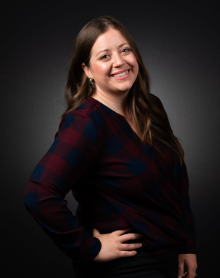
This Athletic Training Month, AOSMI is also proud to recognize Kristen Kelleher Gross, whose background as a certified athletic trainer continues to influence the way patients and community partners connect with the practice.
Kristen previously worked as an athletic trainer, gaining firsthand experience supporting athletes, coaches, and healthcare providers. That experience shaped her understanding of the challenges athletes face when injuries occur and how important communication can be during the care process.
Today, Kristen serves as Business Development Manager, where she helps connect patients, schools, and community organizations with the physicians and services available at AOSMI.
Her experience as an athletic trainer provides valuable insight when working with athletes and families navigating sports injuries. Because of her background and long-standing relationships within the sports community, many patients appreciate the guidance she can offer when connecting them with appropriate orthopedic care.
While her role today is focused on outreach and relationships, her athletic training experience continues to shape the patient-centered approach and concierge-style experience that many people associate with AOSMI.
Learn More About Sports Injury Care
If you have questions about sports injuries or orthopedic care, you can learn more about available services by visiting the Request and Appointment page or call us at 732-720-2555.