

Women’s physical therapy focuses on symptoms many women may ignore – including pelvic pain, bladder leakage, painful intercourse, postpartum core weakness, and changes that can happen during pregnancy or menopause.
At Advanced Orthopedics and Sports Medicine Institute (AOSMI), Vidisha N. Shah, PT, DPT provides women’s physical therapy for patients in Manalapan, NJ with a focus on pelvic health and everyday function in a private outpatient setting.
Quick Summary
- Women’s physical therapy may help support pelvic floor and core function
- Pregnancy, childbirth, menopause, and surgery can affect mobility and strength
- Symptoms like leakage, pelvic pressure, and painful intercourse are common and can be treated
- Care plans at AOSMI are individualized
What Is Pelvic Floor Physical Therapy?
Many women wait years before talking about pelvic floor symptoms. Some assume bladder leakage is “normal after kids.” Others think pelvic pain, pressure, or discomfort during exercise is simply part of aging.
More women across Manalapan, Freehold, Marlboro, Howell, and Morganville are starting to realize these symptoms may be connected to pelvic floor health, core weakness, pregnancy, postpartum recovery, or menopause-related changes. Instead of simply adapting around symptoms, many are looking for answers that help them move more comfortably and feel more confident in daily life.
Pelvic floor physical therapy focuses on the muscles, movement patterns, and coordination that support the bladder, bowel, core, and pelvis. Treatment plans are individualized and may include guided exercises, breathing strategies, posture and movement training, manual therapy, and education based on each patient’s symptoms and goals.
Women’s physical therapy may help address concerns related to:
- Pregnancy-related pain
- Postpartum recovery
- Diastasis recti
- Pelvic floor dysfunction
- Painful intercourse (dyspareunia)
- C-section scar restrictions
- Stress or urge incontinence
- Constipation and bowel dysfunction
- Pelvic organ prolapse
- Menopause-related pelvic changes
What Is Pelvic Floor Dysfunction?
Pelvic floor dysfunction occurs when the muscles that support the bladder, bowel, and reproductive organs are not functioning properly.
Some pelvic floor muscles may become weak and underactive. Others may become tight and overactive. Both patterns can contribute to symptoms like leakage, urgency, pelvic pressure, or pain.
Many women are surprised to learn that pelvic floor problems are not always caused by weakness alone. In some cases, tight pelvic floor muscles can worsen urgency, discomfort, and painful intercourse.
Some Women Describe Symptoms Like:
Symptoms may affect exercise, sleep, intimacy, work, and confidence.
| Common Concern | Possible Pelvic Health Issue |
| “I leak when I sneeze” | Stress incontinence |
| “There’s pressure when I stand too long” | Pelvic organ prolapse |
| “My stomach bulges after pregnancy” | Diastasis recti |
| “Sex became painful after childbirth” | Pelvic floor tension |
| “I cannot hold my bladder” | Urge incontinence |
Pregnancy-Related Pain Is Common and It Shouldn’t Be Ignored
As the body adapts, everyday movement can become more uncomfortable. Some women experience pelvic pain, SI joint discomfort, groin pain while walking, or increased pressure through the hips and pelvis.
Physical therapy during pregnancy may help improve movement patterns, reduce strain, and support safer activity levels throughout each trimester.
Physical therapy during pregnancy may focus on:
- Pelvic floor coordination work
- Posture and breathing strategies
- Guidance on movement modifications
- Core and hip strengthening
- Labor preparation education
Research shows many women experience low back or pelvic pain during pregnancy, and physical therapy may help support comfort, movement, and activity throughout each trimester.
Postpartum Recovery Is About More Than “Getting Cleared”
Many women are told they can resume normal activity after their postpartum checkup. However, being medically cleared is different from rebuilding strength, coordination, and pressure control.
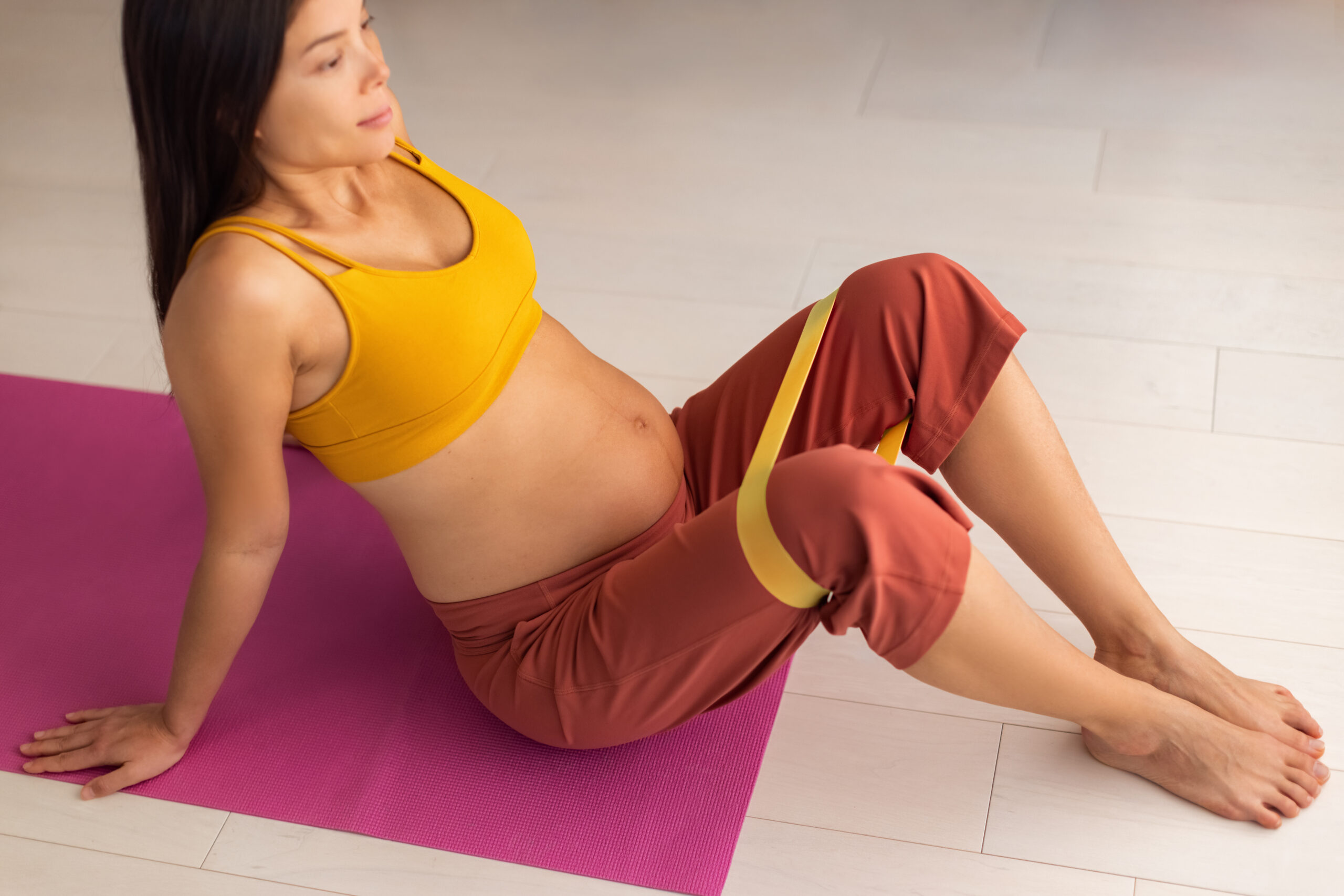
Postpartum symptoms may include:
- Core weakness
- Heaviness in the pelvis
- Urinary leakage
- Pain during exercise
- Back pain
- Abdominal separation
Women returning to running, strength training, tennis, or high-impact workouts may benefit from pelvic floor and core assessment before resuming activity.
AOSMI’s women’s physical therapy program focuses on helping women safely rebuild coordination between the diaphragm, abdominal muscles, hips, and pelvic floor.
Understanding Diastasis Recti Beyond the “Mom Pooch”
Diastasis recti is a separation of the abdominal muscles that commonly develops during pregnancy.
Common Signs of Diastasis Recti:
- Abdominal doming when sitting up
- A persistent “bulge” in the stomach
- Core weakness
- Low back discomfort
Although social media often frames diastasis recti as a cosmetic concern, it can also affect trunk stability and pressure management. Treatment may focus on breathing mechanics, abdominal coordination, posture, and gradual strengthening without increasing abdominal pressure unnecessarily.
Painful Intercourse Is More Common Than Many Women Realize
Painful intercourse, also called dyspareunia, affects many women during different stages of life, including postpartum recovery and menopause.
Symptoms Women Commonly Describe With Painful Intercourse:
| Symptom | Possible Contributing Factor |
| Burning discomfort | Pelvic floor tension |
| Deep pelvic aching | Muscle guarding |
| Pain after childbirth | Scar tissue or tissue sensitivity |
| Dryness and irritation | Hormonal changes |
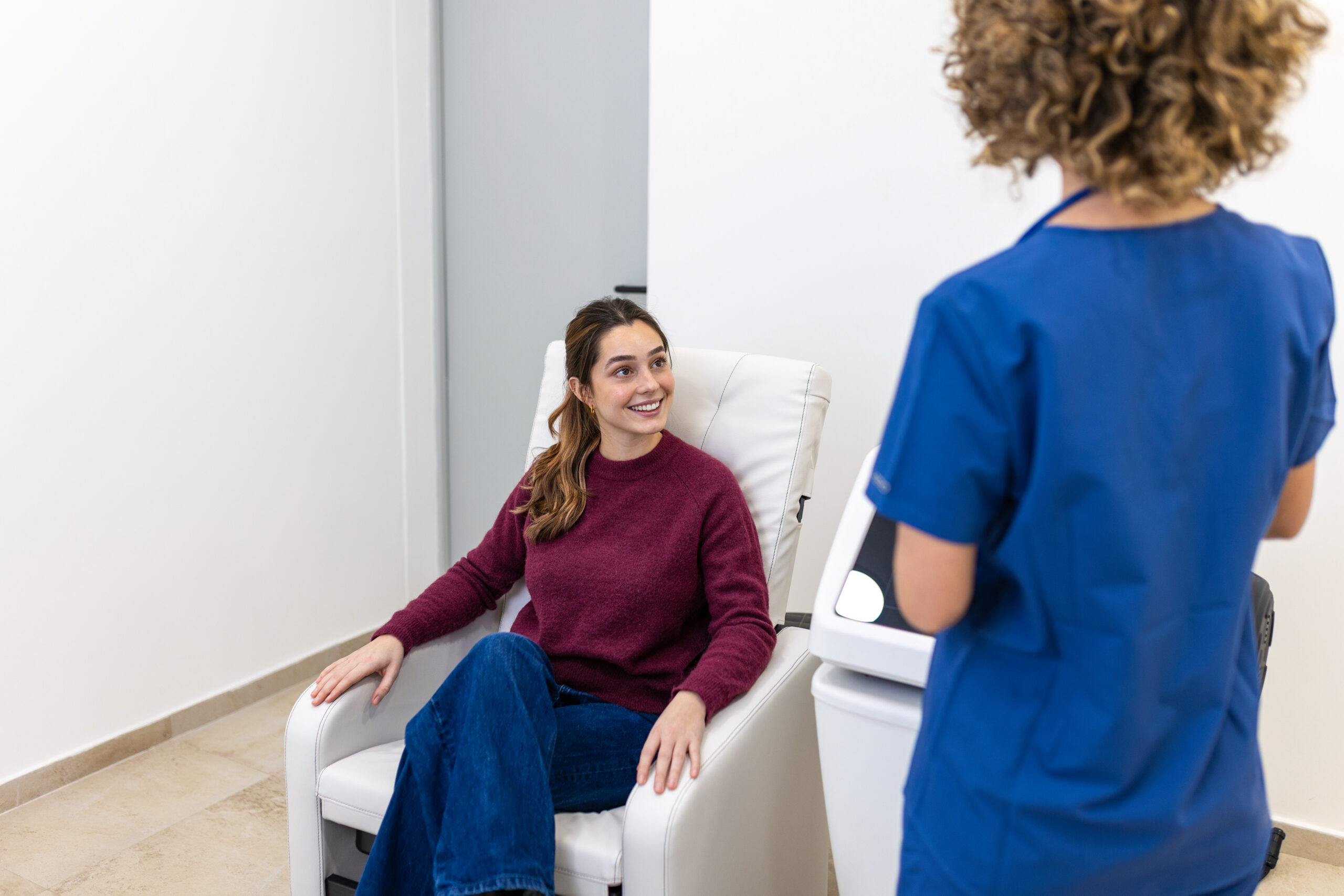
Pelvic floor physical therapy may include relaxation strategies, breathing work, manual therapy, and muscle coordination training based on each woman’s symptoms, goals, and comfort level.
Because these symptoms are personal, many women delay seeking care. A supportive environment may help patients feel more comfortable discussing concerns that are often difficult to bring up elsewhere.
C-Section Scar Mobilization and Recovery
A C-section involves multiple layers of tissue healing. Even years later, some women notice numbness, tightness, pulling sensations, or discomfort around the scar area.
Scar restrictions may contribute to:
Physical therapy may include scar mobility work, movement retraining, posture strategies, and gradual strengthening to help improve tissue mobility and body awareness.
Menopause and Pelvic Health Changes Often Overlap
Hormonal changes during perimenopause and menopause can affect joints, muscles, connective tissues, and pelvic floor function.
Hormonal changes may contribute to symptoms such as:
- Increased urinary urgency
- Vaginal dryness
- Joint stiffness
- Balance concerns
- Pain during intimacy
- Reduced strength and stability
Research suggests musculoskeletal discomfort is common during menopause due to hormonal changes affecting connective tissue and joint health.
Physical therapy during perimenopause and menopause may help support strength, balance, pelvic floor coordination, and confidence with movement.
Finding the Right Pelvic Floor Physical Therapist Matters
At AOSMI, orthopedic physicians and physical therapy providers work within the same practice. This collaborative approach may help streamline care when orthopedic evaluation, imaging, or rehabilitation is needed.
Women’s physical therapy sessions are provided in a private outpatient setting and focus on helping patients better understand symptoms related to pelvic health, postpartum recovery, core weakness, and movement changes throughout different stages of life.
About Dr. Vidisha N. Shah
Dr. Vidisha N. Shah is a New Jersey licensed physical therapist in Manalapan, NJ with advanced pelvic health training through the Herman & Wallace Pelvic Rehabilitation Institute. She provides individualized women’s physical therapy focused on movement, recovery, pelvic health, and functional strength throughout different stages of life.

Frequently Asked Questions
Is pelvic floor physical therapy only for postpartum women?
No. Women at many different life stages may benefit from pelvic floor therapy, including during pregnancy, menopause, after surgery, or with bladder and bowel concerns.
Can physical therapy help with bladder leakage?
Physical therapy may help improve pelvic floor coordination, bladder habits, pressure management, and muscle function depending on the underlying cause of symptoms.
What does diastasis recti feel like?
Some women notice abdominal bulging, core weakness, difficulty activating abdominal muscles, or low back discomfort.
Is painful intercourse related to pelvic floor muscles?
In some cases, painful intercourse may be associated with pelvic floor tension, tissue sensitivity, scarring, or hormonal changes.
What Does C-Section Scar Mobilization Help With?
C-section scar mobilization does not remove the scar itself. Instead, physical therapy may help improve mobility and flexibility around the scar tissue, reduce feelings of tightness or pulling, and support core and pelvic floor movement during recovery.
Do I need a referral for women’s physical therapy in New Jersey?
Direct access physical therapy may be available in New Jersey, although insurance requirements can vary.
Supporting Women’s Health at Every Stage of Life
Women often spend years adapting around symptoms instead of understanding what may be contributing to them. Pelvic discomfort, leakage, postpartum weakness, and menopause-related changes can affect daily movement, fitness, confidence, and quality of life.
Women’s physical therapy at AOSMI in Manalapan, NJ provides individualized care focused on helping patients feel heard, supported, and informed throughout treatment.
To learn more about women’s physical therapy services or request an appointment with Vidisha N. Shah, PT, DPT, call 732-894-9200.