

Myofascial release and soft tissue therapy are techniques commonly used in conservative musculoskeletal care. Many patients look into these services when they feel tightness, stiffness, or limited movement. While people often use these terms together, they refer to different approaches.
What Is Myofascial Release?
Myofascial release focuses on the fascia, which is a thin layer of connective tissue that surrounds muscles, joints, and organs. Fascia helps the body move smoothly. When fascia becomes tight or restricted, movement can feel limited or uncomfortable.
Myofascial release uses slow, steady pressure. This approach aims to address areas where the fascia does not move as freely as expected. Providers typically apply this technique in a gentle and controlled manner.
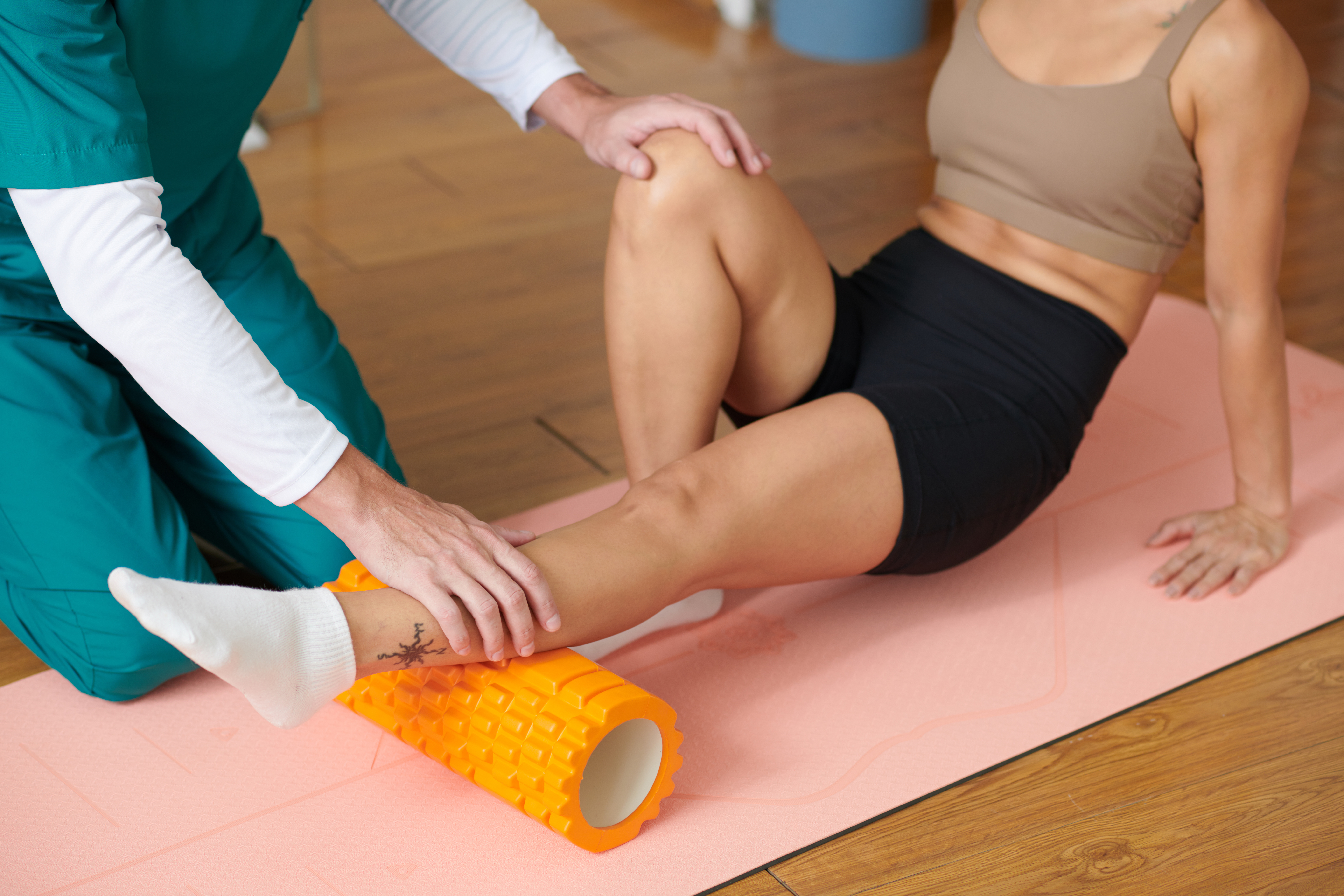
People often ask about myofascial release when they notice:
- ongoing muscle tightness
- stiffness that does not improve with rest
- movement limits without a clear injury
- discomfort linked to posture or repeated motions
What Is Soft Tissue Therapy?
Soft tissue therapy serves as a broader term. The term refers to hands-on techniques that address muscles, tendons, ligaments, and connective tissue. Providers often discuss soft tissue therapy when someone has a soft tissue injury, strain, or irritation.
Soft tissue therapy is different from general massage. Providers usually use soft tissue therapy in a more focused way as part of a larger care plan. The techniques used depend on the area involved and the patient’s tolerance.
Myofascial Release vs Soft Tissue Therapy
A common question is how these two approaches differ. The main difference is the type of tissue being addressed.
Myofascial release focuses mainly on fascia and how it affects movement patterns. Soft tissue therapy focuses more on muscles and related tissues. In many cases, providers may use both approaches together based on a patient’s needs.
As Dr. Kristopher Tardio explains:
“Restrictions in the soft tissue and fascia can create compensatory patterns that limit how freely and efficiently your body moves as a whole. By gently releasing these fascial restrictions through targeted myofascial techniques, we can help support smoother, more natural movement patterns, reduce pain, and support long-term improvements in mobility and function.”
What Does Myofascial Release Feel Like?
Many patients ask what myofascial release feels like. Sensations vary from person to person. Some people notice pressure, warmth, or a gradual easing of tightness. The technique is not meant to be forceful. Communication during care is important. Any discomfort should be discussed with the provider.
Does Myofascial Release Work?
Researchers continue to study myofascial release. Some studies suggest it may help improve movement and reduce feelings of stiffness for certain conditions. Results are different for each person and depend on many factors. Providers generally use myofascial release as part of a conservative care approach rather than as a single solution.
When Should These Techniques Be Avoided?
Certain situations may make myofascial or soft tissue techniques inappropriate. These can include active infections, certain inflammatory conditions, or areas with tissue damage. A healthcare provider can help determine whether these approaches are appropriate.

Dr. Tardio notes:
“A thorough evaluation is important before using any hands-on technique, especially when there is a history of injury or complex spinal conditions.”
Frequently Asked Questions
What does myofascial release do?
It is used to address restricted fascia that may affect movement and comfort.
Can I do myofascial release on myself?
Self-techniques are widely discussed, but not all areas are safe to treat without guidance. A provider can provide a personalized care plan.
What is soft tissue damage?
Soft tissue damage is a general term for muscle, tendon, or ligament strain or irritation.
How long does it take for fascia to loosen?
Response time varies. Some people notice changes quickly, while others need more time.
When to Consider Care
If stiffness, limited movement, or soft tissue discomfort is affecting daily activities, it may be helpful to discuss conservative options with a qualified provider. An individualized evaluation helps determine what type of care may be appropriate.
 About Dr. Kristopher R. Tardio, DC
Kristopher R. Tardio, DC, is a licensed chiropractic physician who provides non-surgical and complementary care for patients at Advanced Orthopedics and Sports Medicine Institute (AOSMI). He works alongside orthopedic specialists to support a comprehensive approach to musculoskeletal health, particularly for patients with complex spinal conditions.
Dr. Tardio earned his Doctorate of Chiropractic from the University of Bridgeport College of Chiropractic. He has passed National Board of Chiropractic Examiners Parts II, III, IV, and Physiotherapy. His postgraduate training includes advanced MRI spine interpretation and spinal biomechanical engineering.
His clinical focus includes spine health, conservative care, joint and muscle conditions, spinal trauma, and biomechanics related to sports and injury.