

What You Need to Know
An ACL tear or meniscus tear can make walking, exercising, climbing stairs, or playing sports more difficult. While surgery isn’t necessary for every injury, it may be considered when pain, instability, locking, or limited knee function continue despite conservative care. Understanding what to expect before, during, and after surgery can help you feel more prepared for recovery.
Key Points
- ACL tears and meniscus tears affect different structures of the knee but can occur together.
- Surgery is based on your symptoms, knee stability, activity goals, and imaging—not MRI findings alone.
- Most ACL and meniscus procedures are performed on an outpatient basis.
- Recovery typically includes physical therapy and progresses over several months, although timelines vary.
- Returning to work, driving, or sports depends on healing, rehabilitation progress, and your surgeon’s recommendations.
When an ACL or Meniscus Injury Changes the Plan
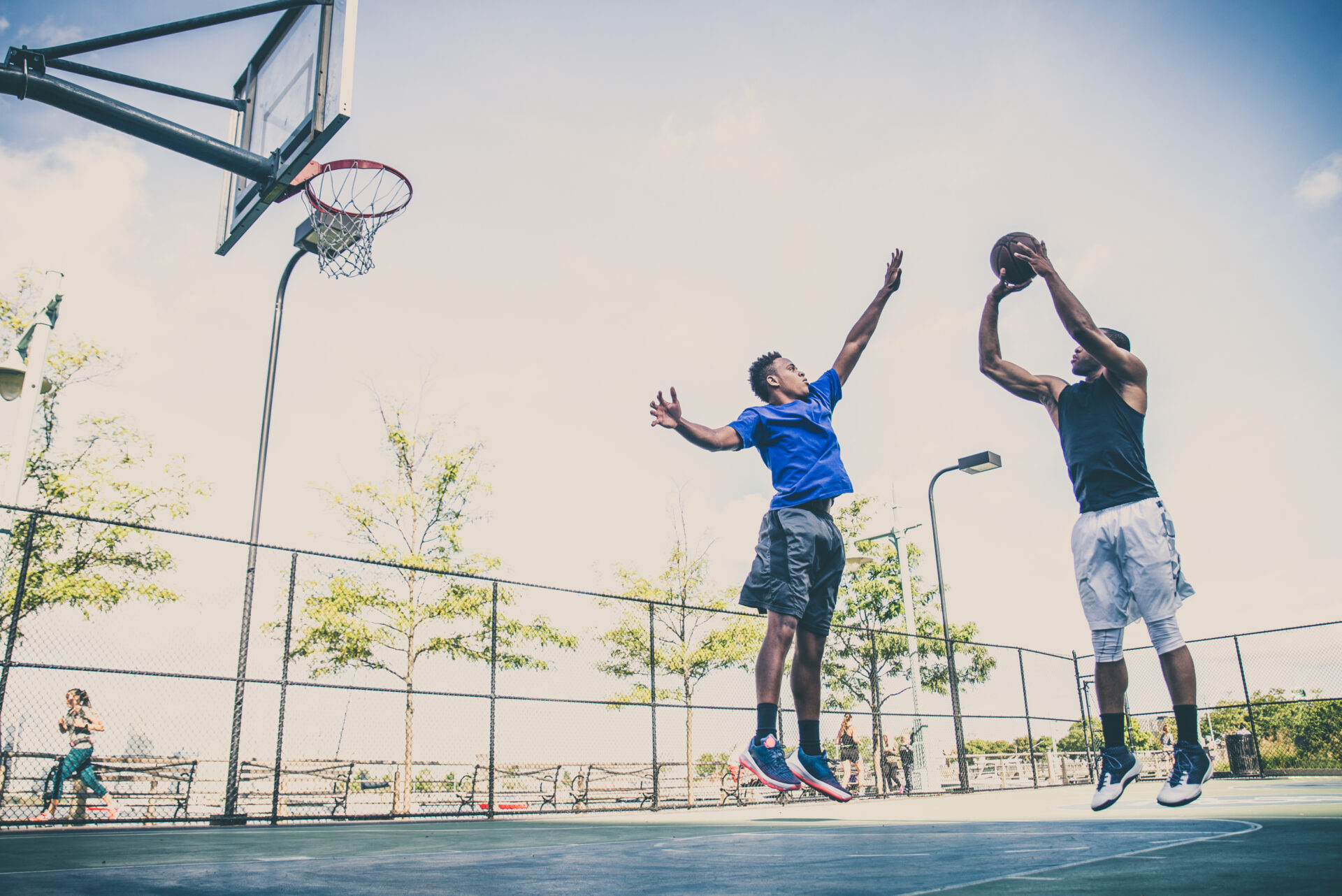
Most people do not spend much time thinking about the ACL or the meniscus until something goes wrong.
For some, the injury happens during a game, workout, or recreational activity. Others experience a sudden twist, awkward landing, or unexpected movement that leaves the knee swollen, painful, or unstable. In the days that follow, attention often shifts from normal routines to doctor visits, imaging studies, and questions about what comes next.
That uncertainty is often what brings patients to this stage of the process. Some people are wondering whether surgery will be necessary. Others already have an MRI diagnosis and want to understand what recovery might involve. Many simply want to know when they can safely return to work, exercise, family activities, or the sports they enjoy.
The good news is that treatment decisions are rarely based on imaging findings alone. Instead, they are guided by symptoms, knee function, activity goals, and the extent to which the injury affects everyday life. Understanding the process can make the path forward feel less overwhelming.
Understanding ACL and Meniscus Injuries
What Is the Difference Between an ACL Tear and a Meniscus Tear?
Although ACL tears and meniscus tears are often discussed together, they involve different structures within the knee.
The ACL (Anterior Cruciate Ligament) is one of the primary stabilizing ligaments of the knee. It helps control rotational movement and prevents excessive forward movement of the shin bone.
The meniscus is a piece of cartilage that acts as a cushion between the thigh bone and shin bone. It helps absorb force and distribute weight throughout the knee joint.
Because both structures are commonly injured during twisting or pivoting movements, it is not unusual for patients to experience an ACL tear and a meniscus tear at the same time.
Common Symptoms of an ACL Tear
Patients with an ACL injury often describe:
- A popping sensation during injury
- Knee instability or giving way
- Swelling that develops shortly after injury
- Difficulty returning to sports or higher-level activities
Common Symptoms of a Meniscus Tear
A meniscus injury may cause:
- Pain along the joint line
- Swelling
- Clicking, catching, or locking sensations
- Difficulty fully bending or straightening the knee
An orthopedic evaluation can help determine which structure has been injured and whether surgical or non-surgical treatment may be appropriate.
Does Every ACL or Meniscus Tear Require Surgery?
Not every ACL or meniscus tear requires surgery. Treatment recommendations are based on symptoms, knee stability, activity goals, imaging findings, and how the injury affects daily life.
Factors That Help Guide Treatment Decisions
An orthopedic surgeon may consider:
- The severity of the injury
- Knee stability
- Activity level and lifestyle goals
- Age and overall health
- Imaging findings
- Response to non-surgical treatment
The goal is not simply to treat an MRI finding. The goal is to understand how the injury affects movement, function, and long-term knee health.
What Does Recovery Typically Look Like?
Recovery is one of the most common concerns before ACL or meniscus surgery. The timeline below provides a general overview, although recovery varies depending on the procedure performed and individual rehabilitation progress.
| Recovery Stage | What Patients Typically Focus On |
| First 2 Weeks | Swelling management, protecting the repair, early motion exercises, crutch and brace use when indicated |
| Weeks 2–6 | Improved range of motion, gradual strengthening, increased confidence with walking |
| Weeks 6–12 | Building strength, stability, balance, and daily function |
| Months 3–6 | Functional training, higher-level rehabilitation, activity progression |
| Long-Term Recovery | Return-to-sport progression and continued strength development when appropriate |
How Do You Prepare for ACL and Meniscus Surgery?
Medical Preparation Before Surgery
Before surgery, patients typically meet with Dr. Tauro to review the procedure, discuss expectations, and answer any remaining questions.
Depending on age and medical history, some patients may require medical clearance from their primary care physician before surgery. Medications should also be reviewed with the surgical team, as certain medications may need to be adjusted before the procedure.
Preparing Your Home for Recovery
Many patients focus on surgery itself and spend less time thinking about the first few days afterward.
Creating a comfortable recovery space before surgery can make the early stages of rehabilitation easier. Consider where you will rest, how you will elevate your leg, and whether frequently used items are easy to access.
In some cases, Dr. Tauro may recommend physical therapy or a home exercise program before surgery. Improving strength and range of motion beforehand can help prepare the knee for rehabilitation.
What Not to Do Before Surgery
Patients are commonly instructed not to eat or drink after midnight before surgery unless otherwise directed by the surgical team. This instruction generally includes chewing gum.
Smoking and alcohol use should also be discussed before surgery because both can affect recovery considerations.
What Should You Wear on the Day of Surgery?
This may seem like a small detail, but it is one of the most common questions patients ask before surgery.
Loose-fitting shorts, comfortable sweatpants, and slip-on shoes are often practical choices because many patients leave the surgical center wearing a brace. Comfortable clothing can make dressing easier before and after the procedure.
What Happens on the Day of Surgery?
Most ACL reconstruction and meniscus procedures are performed on an outpatient basis and typically take one to two hours, depending on the procedure being performed.
Patients should arrive at the hospital or surgical center at the scheduled time provided by the facility. The care team will review medical information, check vital signs, and answer any remaining questions.
For larger procedures such as ACL reconstruction, anesthesia often includes both general anesthesia and a regional nerve block. The nerve block helps numb the knee and may provide pain relief during the early stages of recovery.
How Long Does ACL and Meniscus Surgery Take?
Most ACL reconstruction and meniscus procedures take approximately one to two hours, although surgical time varies depending on the procedure being performed.
The exact duration depends on whether the surgery involves ACL reconstruction, meniscus repair, partial meniscectomy, or a combination of procedures.
Although the procedure itself may only take a few hours, patients should plan to spend additional time at the surgical center for preparation and recovery before returning home.
Recovery After ACL and Meniscus Surgery
The First Few Days After Surgery
Patients can expect some swelling, discomfort, and limited mobility immediately after surgery. Pain management plans are discussed before surgery and may include medications as well as ice and elevation strategies.
Many patients who undergo ACL reconstruction or meniscus repair will use a brace and crutches during the early stages of recovery.
Follow-up appointments are typically scheduled shortly after surgery to monitor healing and discuss rehabilitation progress.
The First Two Weeks
The focus during this period is protecting the repair, controlling swelling, and restoring early motion. Physical therapy often begins during this phase.
Weeks Two Through Six
Rehabilitation typically shifts toward improving range of motion and gradually restoring strength under professional guidance.
Weeks Six Through Twelve
As healing progresses, strengthening exercises become increasingly important. Rehabilitation focuses on improving knee stability, balance, and daily function.
Three to Six Months and Beyond
Patients often progress toward more advanced rehabilitation and activity-specific training. Return-to-sport decisions are individualized and based on healing, strength, movement quality, and overall knee function.
How Long Does Full Recovery Take?

Recovery timelines vary considerably. Many patients continue rehabilitation for several months, with full recovery often taking six months to one year depending on the procedure and individual progress.
Why Rehabilitation Matters
Consistent participation in physical therapy and adherence to postoperative instructions remain important throughout recovery. Rehabilitation helps patients restore strength, mobility, confidence, and function over time.
Frequently Asked Questions About ACL and Meniscus Surgery
Does every ACL tear require surgery?
Not necessarily. Some patients are able to manage symptoms through physical therapy, activity modification, and strengthening programs. However, surgery may be considered when instability, repeated episodes of the knee giving way, or activity limitations continue to affect daily life, work, or sports participation. The best approach depends on the individual’s goals, symptoms, and overall knee function.
Can a meniscus tear heal without surgery?
Treatment decisions depend on factors such as the location of the tear, the size of the injury, activity level, and the patient’s goals. In other situations, surgery may be recommended if pain, locking, catching, or mechanical symptoms continue despite conservative treatment.
How painful is ACL and meniscus surgery?
While some discomfort is expected during recovery, pain management techniques have advanced significantly. For ACL reconstruction, anesthesia often includes a regional nerve block that helps numb the knee during the early recovery period. Pain experiences vary from person to person, but most patients find that discomfort gradually improves as healing progresses and rehabilitation begins.
When can I walk after ACL and meniscus surgery?
Some patients are allowed to bear weight shortly after surgery, while others may need crutches and temporary activity restrictions to protect the repair. ACL reconstruction patients often begin walking with assistance early in recovery, while certain meniscus repairs may require additional protection during the healing process. Dr. Tauro will provide specific guidance based on the procedure performed.
When can I return to work after ACL surgery?
The timeline depends largely on the physical demands of the job. Patients who work at a desk may return sooner than those whose jobs involve climbing, lifting, kneeling, prolonged standing, or physically demanding activities. Recovery plans are individualized, and return-to-work recommendations are based on healing progress, comfort, mobility, and job requirements.
When can I drive after ACL surgery?
Driving depends on several factors, including which knee was treated, medication use, reaction time, and the ability to safely control a vehicle. Patients should not drive while taking medications that impair alertness. Because recovery varies, return-to-driving recommendations should be discussed with the treating surgeon during follow-up appointments.
When can I return to sports after ACL reconstruction?
Returning to sports is a gradual process that extends well beyond the surgical procedure itself. Recovery focuses on restoring strength, stability, balance, movement quality, and confidence in the knee. Decisions about returning to sports are based on objective recovery milestones rather than a specific date on the calendar. Many patients continue rehabilitation for several months before returning to higher-level athletic activities.
Can I drink alcohol after ACL surgery?
Alcohol may interact with pain medications, increase certain risks during recovery, and potentially affect healing. For these reasons, patients should discuss alcohol use with their surgeon and follow postoperative instructions carefully. The safest timing varies depending on medications, overall health, and individual recovery circumstances.
What do patients often wish they knew before ACL surgery?
Many patients say they focused heavily on the surgery itself and underestimated how important rehabilitation would be afterward. Surgery is only one part of the recovery process. Physical therapy, strengthening exercises, mobility work, and consistency throughout rehabilitation often play a significant role in helping patients regain strength, function, and confidence in their knee. Many patients also find it helpful to prepare their home and recovery space before surgery, making the first few days afterward more comfortable and manageable.
How long does ACL and meniscus surgery take?
Most ACL reconstruction and meniscus procedures take approximately one to two hours, although surgical time varies depending on the extent of the injury and the procedures being performed. Patients should also plan for additional time before and after surgery for preparation, anesthesia, and recovery before being discharged home.
What can I expect during the first two weeks after ACL and meniscus surgery?
The first two weeks are typically focused on protecting the repair, managing swelling, restoring early motion, and beginning rehabilitation. Many patients use a brace, crutches, ice, elevation, and physical therapy during this period. Follow-up appointments are also commonly scheduled to monitor healing and discuss the next phase of recovery.
Taking the Next Step After an ACL or Meniscus Injury
Learning that surgery may be part of your treatment plan can feel overwhelming. However, understanding the process often makes the path forward much clearer.
Whether you’ve recently injured your knee, received an MRI diagnosis, or are preparing for surgery, understanding your options can help you make informed decisions about your care.
If knee pain, instability, or a diagnosed ACL or meniscus injury is affecting your daily activities, Dr. Joseph Tauro can discuss your condition, explain available treatment options, and help you understand what to expect moving forward.
To schedule a consultation with Dr. Joseph Tauro, call us at 732-341-6226.