
What’s New at AOSMI
Becoming a physician takes years of school, long nights, and constant dedication. It also takes heart. It means showing up for people when they are in pain, when they are worried, and when they need answers.
National Women Physicians Day is recognized on February 3rd, the birthday of Dr. Elizabeth Blackwell, the first woman in the United States to earn a medical degree in 1849. It recognizes the achievements of women physicians and the care they provide to patients every day.
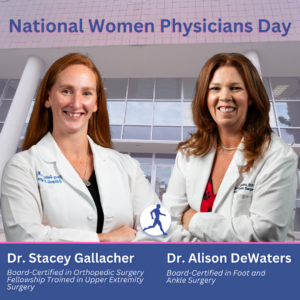
On National Women Physicians Day, we are proud to recognize the Dr. Stacey Gallacher and Dr. Alison DeWaters who bring compassion and strength into every patient visit. Their care supports our patients through every step, and we’re proud to have them as part of the AOSMI team.
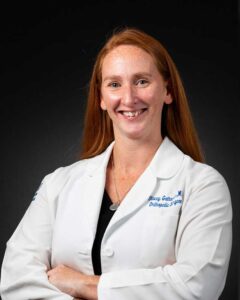 Stacey Gallacher, MD, FAAOS
Board-Certified Orthopedic Surgeon | Dual Fellowship-Trained: Shoulder & Elbow Fellowship and Trauma Fellowship
Locations Served: Freehold, Belmar
Dr. Stacey Gallacher is a board-certified orthopedic surgeon who treats injuries and conditions that affect the bones, joints, and muscles. She specializes in shoulder and elbow care. She helps patients who are dealing with pain, injuries, and limited movement.
Dr. Gallacher graduated co-valedictorian from New York Medical College. Completing her orthopedic surgery residency at Brown University, she also completed advanced fellowship training in trauma and complex shoulder and elbow surgery at Yale University.
She treats rotator cuff injuries, labral tears, shoulder instability, tennis elbow, and elbow arthritis. She also provides fracture care for adult injuries. When surgery is needed, she offers advanced procedures like shoulder reconstruction and shoulder replacement.
Dr. Gallacher understands what active people need. She is a former Division 1 college athlete and still lives an active lifestyle. She works closely with physical therapy and other services to support recovery. Her goal is to reduce pain and help patients return to the activities they enjoy.
Services
- Orthopedic Services
- Joint Replacement
- Fracture Care
- Shoulder
- Elbow
- Knee
- Hand & Wrist
- Hip
- Urgent Care
- Sports Medicine
- Bioinductive Implants
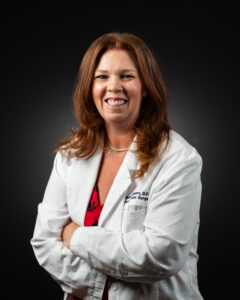 Alison DeWaters, DPM, FACFAS
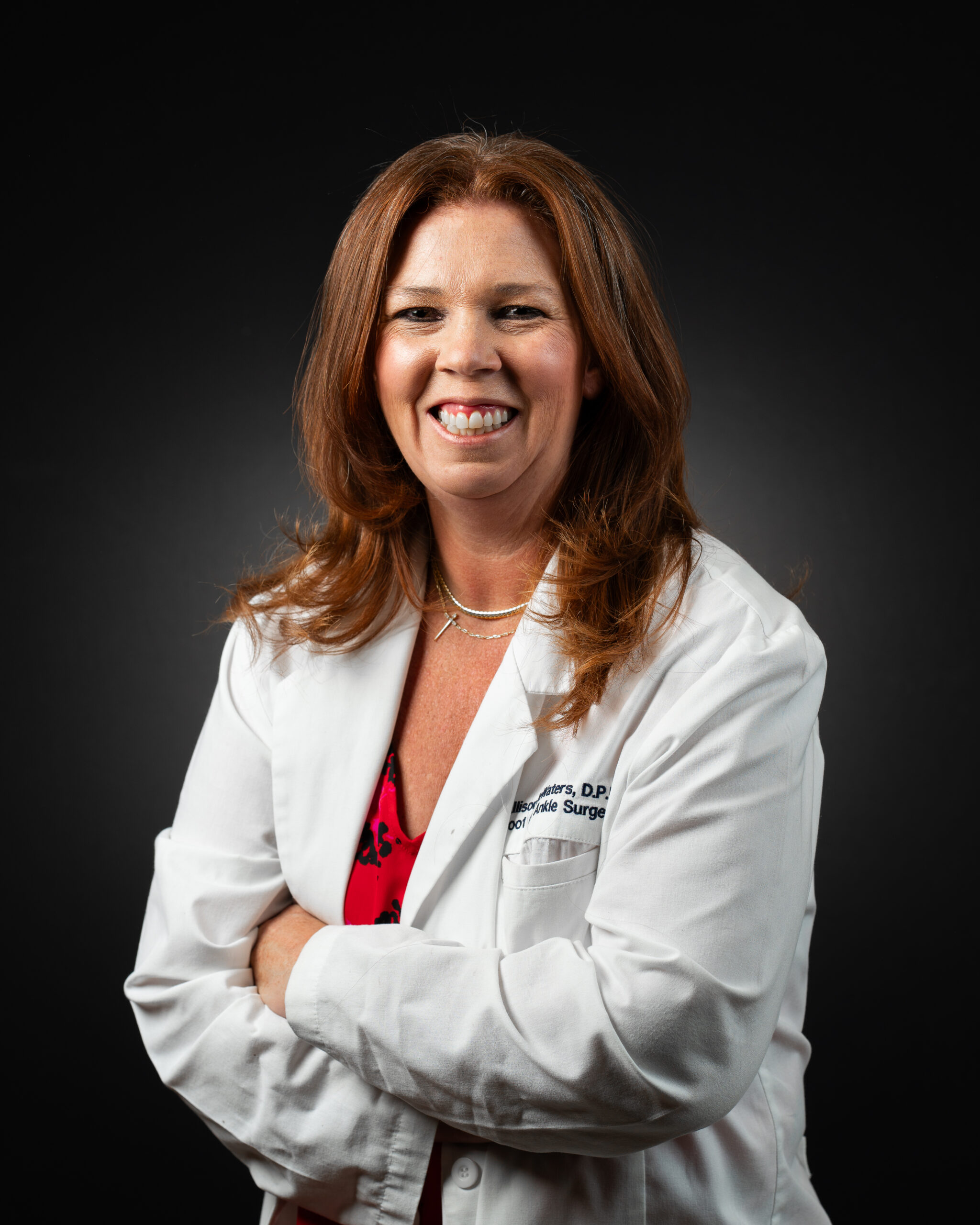
Podiatrist | Board Certified in Foot and Ankle Surgery
Locations Served: Freehold, Monroe
Dr. Alison DeWaters is a board-certified podiatrist who treats foot and ankle conditions for patients of all ages. She earned her undergraduate degree from Rutgers University. She completed podiatry school at Temple University.
Dr. DeWaters completed a four-year surgical residency at the University of Pennsylvania, Penn-Presbyterian Medical Center. She also served as Chief Resident. Her training focused on advanced reconstructive foot and ankle surgery.
She treats common foot and ankle problems like heel pain and bunions. She also helps patients with sports injuries, ankle sprains, fractures, and diabetic foot concerns. Her goal is to reduce pain and improve movement. She helps patients stay active and safe.
Dr. DeWaters also teaches medical students and residents. She stays involved in national medical organizations. She has been recognized for her work and dedication to patient care.
Services
- Podiatry
- Foot and Ankle
- Heel Pain
- Bunion Pain
- Ankle Sprains
- Diabetic Foot Care
- Wound Care
- Orthotics and Bracing
- Sports Medicine
- FAST Procedure
- EPAT
Thank You to Our Women Providers
National Women Physicians Day is a time to recognize hard work, dedication, and leadership. At AOSMI, we see that every day through the care our providers deliver.
We are proud to recognize Dr. Stacey Gallacher and Dr. Alison DeWaters. Their commitment makes a difference for our patients and our community.
Our team works together across specialties to support your care from start to finish. We focus on clear communication, personalized treatment options, and the services you may need during your care journey.
If you are interested in learning more or would like to be seen by one of our providers, request an appointment online or call our Physicians Department at 732.720.2555.

Chiropractic Care is Here
Advanced Orthopedics and Sports Medicine Institute (AOSMI) is excited to announce the addition of Dr. Kristopher R. Tardio, a dedicated chiropractic physician, to our team. This addition enhances our commitment to providing patients with comprehensive, multi-disciplinary care, recognizing the vital role that chiropractic services play in a holistic approach to musculoskeletal health.
By integrating Dr. Tardio’s experience, AOSMI is better equipped to provide a full spectrum of care, helping patients achieve their health goals without always resorting to invasive procedures. His presence underscores our belief that the best patient outcomes are achieved through a coordinated, collaborative approach.
Meet Dr. Kristopher R. Tardio
With 15 years of clinical experience, Dr. Tardio brings a seasoned, evidence-based approach to patient care. His specialized expertise in spinal biomechanics and non-surgical treatment offers a powerful complement to our traditional orthopedic services. His training—which includes extensive postgraduate education in advanced MRI spine interpretation and spinal biomechanical engineering—allows him to precisely diagnose and manage complex spinal conditions. This enables our practice to offer patients a wider range of treatment options, from conservative chiropractic care to collaboration on surgical planning, all under one roof.
As a full-body musculoskeletal specialist, Dr. Tardio is trained to evaluate and treat the entire kinetic chain—including the spine, joints, and extremities. He sees patients across the lifespan, treating individuals as young as 4 months old through adulthood. Many conditions often mistaken for migraines, such as cervicogenic headaches originating from the neck or upper back, respond extremely well to his care. He also frequently treats TMJ dysfunction, radicular symptoms, and provides neuromuscular re-education for balance issues and post-concussion support (non-diagnostic). His clinical skillset closely overlaps with physical therapy, allowing him to perform detailed musculoskeletal evaluations, provide manual and rehabilitative therapies, and even take the same physiotherapy board exams required of PTs.
Dr. Tardio earned his Doctorate of Chiropractic from the University of Bridgeport College of Chiropractic and is licensed in the state of New Jersey. He has a deep commitment to continuous learning, holding numerous certifications in areas such as orthopedic testing, spinal trauma, crash dynamics, and human performance. Patients also benefit from his ability to order MRI and X-ray imaging, supporting a more streamlined and efficient diagnostic process.
In addition to treating everyday musculoskeletal conditions, Dr. Tardio serves as a “quarterback for care” in complex cases—particularly motor vehicle accident (MVA) injuries, which he manages several times per week. His diagnostic capabilities mirror those of other musculoskeletal specialists, giving patients direct access to care without needing a referral or prescription.
Dr. Tardio will be seeing patients in our Belmar and Freehold offices.
Schedule an Appointment Today
Schedule an appointment with Dr. Kristopher Tardio, Chiropractic Physician, and take the next step in your care journey. Contact us today to learn more about our comprehensive orthopedic services.

More Room. More Innovation. The Same Trusted Orthopedic and Physical Therapy Team.
This December, AOSMI Monroe has expanded — moving to Suite 201 inside the Renaissance Crossing Medical Arts Building at 312 Applegarth Road, Monroe Township, NJ.
Our new facility spans over 5,000 square feet, featuring an expanded Physical Therapy Department, a larger Orthopedic Department, and a multi-specialty suite designed to better serve our patients’ orthopedic, sports medicine, and pain management needs.
A Next-Generation Space for Comprehensive Orthopedic Care
AOSMI’s new Monroe location reflects a commitment to continued innovation and patient comfort. The expanded space is designed to elevate every step of the patient journey, from check-in to rehabilitation.
Patients can look forward to:
- An expanded Physical Therapy Department equipped with advanced technology that supports recovery and movement restoration.
- A larger Orthopedic Department with additional treatment rooms for a more comfortable and efficient visit.
- A multi-specialty suite uniting orthopedic surgeons, sports medicine physicians, and pain management specialists under one roof.
- A welcoming environment built around accessibility, innovation, and patient-centered design.
AOSMI’s Commitment to Patient Care and Innovation
This expansion represents a milestone in AOSMI’s mission to deliver comprehensive orthopedic and rehabilitative care within a collaborative, supportive setting.
As we move to our new facility, our trusted orthopedic and rehabilitation professionals remain dedicated to providing the same high-quality, compassionate care that patients have come to rely on.





FAQ: Monroe’s Move to Suite 201
Q: When will the new AOSMI Monroe facility open?
AOSMI Monroe is set to open its new Suite 201 location on Monday, December 8th, 2025.
Q: Will services or doctors change after the move?
No, the same trusted orthopedic, sports medicine, and rehabilitation specialists will continue to provide care at the new location.
Q: Will the contact numbers remain the same?
Yes, all phone numbers for the Orthopedic and Physical Therapy Departments will stay the same.
Physicians & Orthopedic Department: 732-720-2555
Rehabilitation & Physical Therapy Department: 732-720-2566
Q: Is parking available at the new facility?
Yes, convenient on-site parking is available at the Renaissance Crossing Medical Arts Building.
Visit Us in Suite 201 This December
 Starting Monday, December 8th, patients can visit us at:

Renaissance Crossing Medical Arts Building
312 Applegarth Road, Suite 201
Monroe Township, NJ
Want to learn more?
Orthopedics Department: 732-720-2555
Rehabilitation Department: 732-720-2566
Contact Us to schedule your next appointment or learn more about our move.
Through education, research, and mentorship, Dr. Joseph Tauro proudly supports those who serve. His work in military orthopedic training reflects a shared mission — advancing surgical care for the men and women who protect our nation.
At the intersection of orthopedic innovation and national service, Dr. Tauro’s leadership in the Military Arthroscopy Surgical Training (MAST) program and his ongoing research in simulation-based education are helping strengthen military medical readiness while fostering collaboration between civilian and military surgeons.
Enhancing Surgical Readiness Through the MAST Program
For several years, Dr. Tauro has played an active role in the MAST Program, a multi-branch initiative dedicated to advancing arthroscopic and reconstructive surgical skills among military orthopedic surgeons.
Hands-On Training for Military Surgeons
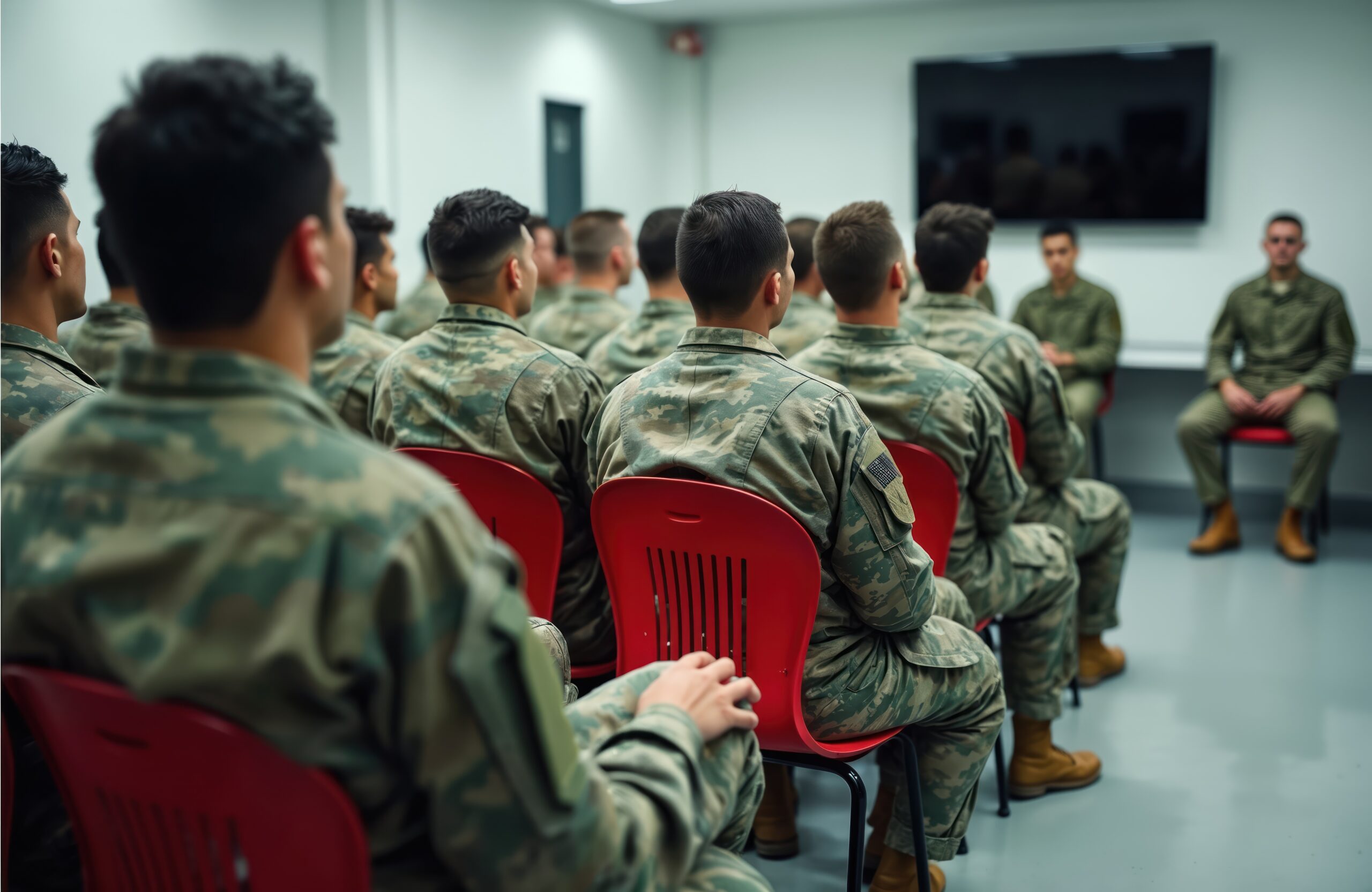
Each year, MAST hosts an intensive four-day cadaveric lab that brings together specialists from the Army, Navy, and civilian medical communities. Participants engage in hands-on workshops using advanced arthroscopic instruments and minimally invasive techniques designed to improve precision and performance.
“It’s an honor to help train the men and women who dedicate their lives to protecting ours,” said Dr. Tauro. “Their focus and commitment make teaching deeply rewarding.”
These programs not only sharpen surgical skills but also build partnerships that enhance military medical readiness and improve orthopedic care for active-duty service members and veterans.
Collaboration and Mentorship: Bridging Military and Medicine
Beyond MAST, Dr. Tauro contributes to residency and mentorship programs at military bases such as Fort Bragg and Walter Reed Hospital, where active-duty orthopedic surgeons work alongside experienced civilian physicians.
Partnership Through SOMOS
Through the Society of Military Orthopaedic Surgeons (SOMOS), these collaborations create powerful learning exchanges that strengthen the connection between academic medicine and the military’s mission of service.
“Education doesn’t just build technical skill — it builds confidence that improves the readiness of our soldiers”, Dr. Tauro shared.
AOSMI proudly supports these efforts and stands with the military medical community in advancing orthopedic excellence through shared knowledge, compassion, and innovation. We are proud to support efforts that expand orthopedic care for veterans through ongoing education, research, and collaboration with military medical professionals.

Advancing Orthopedic Education Through Simulation and Research
Dr. Tauro’s work extends beyond mentorship to groundbreaking research in surgical simulation and augmented reality (VR). His recent simulation comparison study, presented at MAST, evaluated multiple training models—from basic plastic simulators to immersive VR environments—to determine the best approach for teaching shoulder arthroscopy.
Combining Technology and Training
Early results suggest that combining multiple simulators provides the most comprehensive and effective training experience, offering surgeons the opportunity to master skills in both virtual and hands-on settings.
This work, currently under review for publication in the Journal of Arthroscopy, was developed in collaboration with the Arthroscopy Association of North America (AANA) and SOMOS.
In addition, Dr. Tauro continues to study ACL reconstruction techniques and the use of biologics such as platelet-rich plasma (PRP) to enhance surgical recovery. These efforts reflect AOSMI’s mission to merge education, research, and innovation for the advancement of orthopedic care.
Why It Matters
Programs like MAST and mentorship initiatives across the country ensure that military orthopedic surgeons are equipped with the latest skills, techniques, and technologies. These collaborations ultimately benefit service members who depend on orthopedic care to recover from injuries sustained in training or duty.
By connecting academic research with real-world military practice, leaders like Dr. Joseph Tauro help support care for our armed forces and continues to evolve with precision, compassion, and purpose. AOSMI is honored to support these initiatives and stands committed to strengthening orthopedic education and readiness across all communities.
AOSMI’s Commitment to Our Military Community
At Advanced Orthopedics and Sports Medicine Institute, we are deeply grateful for the service and sacrifice of our nation’s military members. Through education, research, and compassionate care, our physicians proudly support initiatives that enhance the readiness and wellbeing of military medical professionals.
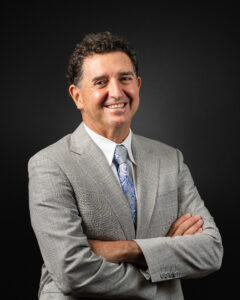 About Dr. Joseph Tauro
Dr. Tauro is certified by the American Board of Orthopedic Surgery and serves as a Master Instructor for the Arthroscopy Association of North America (AANA), where he sits on both the Board of Directors and Executive Committee.
He is Professor of Orthopedic Surgery at Rutgers New Jersey Medical School and a national lecturer on minimally invasive and arthroscopic surgical techniques. His specialties include shoulder, hip, and knee procedures, joint preservation, cartilage transplantation, and the integration of augmented and virtual reality into orthopedic training.
Request an Appointment
If you’re seeking advanced orthopedic care, we invite you to visit Dr. Joseph Tauro at our Toms River office today. Our team proudly provides specialized, patient-centered orthopedic care — serving our local community and the military families who inspire us every day.
Call: (732)720-2555
Location: 9 Hospital Drive, Toms River, NJ 08755
*This blog from AOSMI is intended for educational purposes only. It is not a substitute for professional medical advice, diagnosis, or treatment. Patient outcomes vary. Always consult a qualified healthcare provider for personalized care.
Celebrating AOSMI’s Honorees
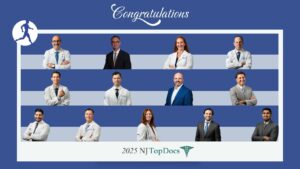
At Advanced Orthopedics and Sports Medicine Institute (AOSMI), patients across New Jersey have access to some of the region’s most respected orthopedic surgeons, podiatric physicians, and pain management specialists. Each year, Top Doctors are recognized for their clinical excellence, dedication to patients, and leadership in advancing musculoskeletal care.
We are proud to celebrate the AOSMI physicians named to the Top Doctors 2025 list. Their recognition reflects their ongoing commitment to providing high-quality, compassionate care to communities across Freehold, Monroe Township, Toms River, Belmar, Manalapan and beyond.
Top Orthopedics Doctors
Our board-certified orthopedic surgeons and fellowship-trained specialists are recognized for their expertise in advanced surgical and non-surgical treatments for a wide range of musculoskeletal conditions.
- Michael J. Greller, MD, MBA, CPE, FAAOS
Board-Certified Orthopedic Surgeon | Fellowship Trained in Sports Medicine - Gerardo Goldberger, DO, FAOAO
Board-Certified Orthopedic Surgeon - Stacey Gallacher, MD, FAAOS
Board-Certified in Orthopedic Surgery | Fellowship Trained in Upper Extremity Surgery - Eric Buxbaum, DO
Board-Certified Orthopedic Surgeon | Fellowship Trained in Hip and Knee Replacement Surgery - Justin Elkrief, DO
Board-Certified Orthopedic Surgeon | Fellowship Trained in Orthopedic Spine Surgery - Garret L. Sobol, MD, FAAOS
Board-Certified Orthopedic Surgeon | Fellowship Trained in Sports Medicine - Joseph Tauro, MD
Board-Certified Orthopedic Surgeon
Top Pain Management Doctors
Our pain management specialists provide advanced, evidence-based care to help patients manage pain and improve function through individualized treatment plans tailored to their needs.
- Ali Valimahomed, MD, FAAPMR
Dual Board-Certified in Pain Medicine and Physical Medicine | ACGME Fellowship Trained in Pain Medicine - Thomas A. Del Guercio, MD
Dual Board-Certified in Pain Medicine and Physical Medicine
Top Podiatry Doctors
Our podiatric specialists deliver high-quality care for foot and ankle conditions, serving patients throughout Central and Southern New Jersey.
- Alison DeWaters, DPM, FACFAS
Board-Certified in Foot and Ankle Surgery - Wesley Nesbit, DPM
Podiatric Physician & Surgeon
Top Sports Medicine Doctors
- Arth Patel, MD, MPH
Primary Care Sports Medicine Physician | Board Certified in Family Medicine and Primary Care Sports Medicine
Top Hand Surgery Doctors
- Edward J. Armbruster, DO, MBA
Board-Certified Orthopedic Surgeon | Fellowship Trained in Hand Surgery
Why This Recognition Matters
Being named a Top Doctor is more than an accolade. It reflects clinical excellence, dedication to patient well-being, and leadership within the medical community. At AOSMI, our physicians are proud to serve patients throughout New Jersey, bringing top-tier orthopedic, podiatry, hand & wrist and pain management care closer to home.
Schedule an Appointment
Congratulations to all of our Top Doctors!
Advanced Orthopedics and Sports Medicine Institute is proud to make nationally recognized care accessible to communities throughout New Jersey. To learn more about our physicians and services, explore our provider profiles or visit one of our convenient locations in Freehold, Monroe Township, Toms River, Belmar, or Manalapan.