
What’s New at AOSMI
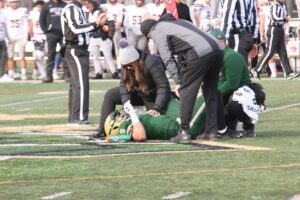
March is National Athletic Trainers Month, and at AOSMI, we’re proud to recognize and celebrate the invaluable contributions of athletic trainers (ATs) everywhere. We extend our heartfelt appreciation to the many ATs who have trusted us with their care and the care of their athletes. A special shoutout goes to our very own Kristen Gross, Business Development Manager and former athletic trainer, whose passion and experience continue to shape the way we serve our community.
Many people associate athletic trainers with taping ankles and applying ice packs. While these are certainly part of the job, athletic trainers are highly educated, board-certified, skilled healthcare professionals who play a significant role in the broader healthcare landscape, extending their impact beyond the sports arena. From injury prevention and rehabilitation to emergency care, an athletic trainer is an essential part of the healthcare team, read on to learn more about how Athletic Trainers (ATs) impact the healthcare industry.
Injury Prevention and Wellness:
- ATs are focused in developing and implementing injury prevention programs. This proactive approach reduces the incidence of musculoskeletal injuries, which can lead to long-term health problems and healthcare costs.
- They promote overall wellness through education on topics like nutrition, hydration, and proper exercise techniques.
Primary Care and Immediate Care:
- ATs are often the first healthcare professionals on the scene when an injury occurs. Their ability to assess and provide immediate care is crucial in minimizing the severity of injuries.
- They contribute to primary care by providing initial evaluations and referrals to other healthcare providers when necessary.
Rehabilitation and Return to Activity:
- ATs design and implement rehabilitation programs to help individuals recover from injuries and return to their normal activities. This care is valuable not only for athletes but also for individuals recovering from work-related injuries or other musculoskeletal conditions.
- They play a key role in facilitating a safe return to activity, preventing re-injury and promoting long-term health.
 Expanding Healthcare Access:
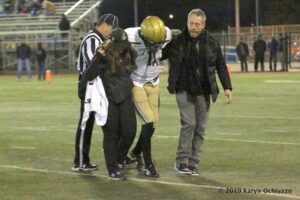
- Their presence in these settings helps to alleviate the burden on other healthcare professionals, such as physicians and physical therapists.
- While their name is “athletic” trainer, they do work with many different populations. They work in industrial settings, with performing arts, and in clinical settings. Therefore their knowledge of musculoskeletal injuries, and rehabilitation, is used in many different healthcare settings.
Athletic trainers are more than just sideline heroes; they are essential healthcare providers who play a vital role in keeping us healthy and active. Let’s celebrate their contributions and recognize their dedication this Athletic Training Month and beyond.
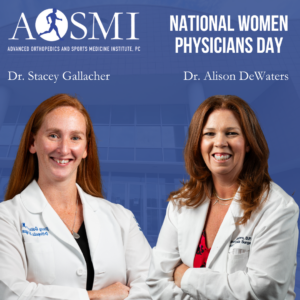
Co-Authored by: Dr. Stacey Gallacher | Dr. Alison DeWaters
At AOSMI, we proudly champion the remarkable contributions of women in medicine. This month, we celebrated Women Physicians Day and continue to honor two outstanding leaders whose experience in orthopedic surgery and podiatric surgery is transforming patient care. Our celebration is all about inspiring excellence in women in medicine, promoting innovative women healthcare solutions, and fostering a supportive environment where every patient can achieve a pain-free, active life.
A Day to Honor Excellence in Women’s Healthcare
Women Physicians Day is more than just an observance – it’s a celebration of the passion, innovation, and resilience that female doctors bring to the world of healthcare. At AOSMI, our event was filled with inspiring stories, social media shout-outs, and heartfelt testimonials that illustrate our commitment to advanced orthopedic care, cutting-edge treatments, and a comprehensive approach to recovery.
Whether you’re searching for top women physicians or seeking innovative treatments in sports medicine and pain management, our team is dedicated to improving lives and empowering patients with holistic, personalized care.
Spotlight on Our Leading Women Physicians
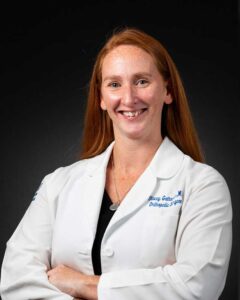 Dr. Stacey Gallacher, MD, FAAOS
Board Certified Orthopedic Surgeon | Dual Fellowship-Trained in Shoulder & Elbow and Trauma
Dr. Stacey Gallacher is a dynamic orthopedic surgeon specializing in shoulder and elbow surgery. As a co-valedictorian graduate of New York Medical College, she completed her orthopedic residency at Brown University and advanced fellowship training at Yale University. Her proficiency in arthroscopic procedures, including treatment for rotator cuff disorders, labral tears, and elbow arthritis, sets her apart.
Her innovative approach – highlighted by advanced bone-preserving shoulder replacement techniques provides patients with a new opportunity. A former Division I collegiate athlete, Dr. Gallacher understands the importance of an active lifestyle and works closely with physical therapists to help patients return to activities like cycling, surfing, and yoga. Her commitment to excellence makes her one of the top women in orthopedic surgery.
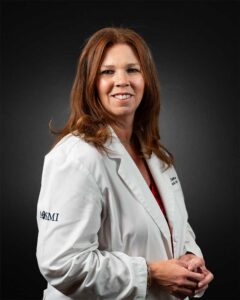 Dr. Alison DeWaters, DPM, FACFAS
Board Certified Podiatric Surgeon | Foot and Ankle Care
Dr. Alison DeWaters is a distinguished podiatric surgeon dedicated to restoring mobility and enhancing quality of life through advanced foot and ankle care. She combines surgical precision with non-surgical therapies, crafting personalized treatment plans that address both immediate pain and long-term function.
Dr. DeWaters emphasizes patient education and a hands-on approach, empowering her patients to lead active, pain-free lives. By staying at the forefront of innovative podiatric treatments and integrating alternative therapies, she continually sets a high standard for women healthcare providers. Her passion for mentoring the next generation further highlights her role as a leader in her field.
Our Commitment to Innovative, Patient-Centered Care
At AOSMI, we are dedicated to creating an environment where women physicians thrive and drive innovative healthcare solutions. The compassion of Dr. Gallacher and Dr. DeWaters inspire us all to pursue excellence in sports medicine, pain management, and comprehensive women’s healthcare.
Join us in celebrating these trailblazers who are not only transforming lives with advanced orthopedic care and cutting-edge podiatric surgery, but also setting the stage for a future where gender equity and patient-centered care are at the forefront.
At AOSMI, every day is an opportunity to celebrate the incredible achievements of women in medicine, ensuring that every patient enjoys quality care, advanced treatments, and a brighter, more active future.
Schedule a consultation today!
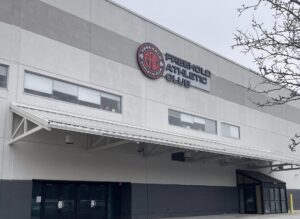
We are thrilled to announce that Advanced Orthopedics and Sports Medicine Institute (AOSMI) is offering comprehensive physical therapy services at our new location within the Freehold Athletic Club, situated in the Freehold Raceway Mall. This state-of-the-art facility is designed to provide our patients with top-tier rehabilitation services in a convenient and accessible setting.
Our services include:
- Dry Needling: A technique aimed at relieving muscle tension and enhancing mobility.
- Hands-On Therapy: Manual interventions to improve movement and reduce stiffness.
- Occupational Therapy: Assisting patients in regaining the ability to perform daily activities.
- Cupping Therapy: A method to boost circulation and alleviate muscle tightness.
- Graston/Instrument-Assisted Soft Tissue Manipulation: Facilitating soft tissue healing and pain relief.
- Vestibular Balance Therapy & Post-Concussion Rehabilitation: Addressing issues related to dizziness, vertigo, and balance.
Our dedicated physical therapy team is be equipped to assist individuals recovering from various conditions, including:
- Trauma & Accident Recovery: Providing care for injuries resulting from car accidents, workplace incidents, and falls.
- Surgical & Post-Operative Care: Supporting recovery following joint replacements, spine surgeries, and other orthopedic procedures.
- Chronic Pain & Overuse Injuries: Managing conditions such as back pain, neck pain, and repetitive strain injuries.
- Diagnosis & Evaluation: Assessing unexplained pain, movement disorders, and nerve-related discomfort.
Key features of our new location:
- Parking: Complimentary and easily accessible parking at the Freehold Raceway Mall.
- Accessibility: The facility is designed to accommodate patients of all mobility levels.
 Appointment Availability: We offer same-day appointments and welcome walk-ins to ensure timely care.
Accepted Insurance Plans:
Most Major Medical Plans, Including: Horizon, Blue Cross Blue Shield, Aetna, Qualcare, United Healthcare, Medicare, Clover, Tricare Prim
PIP Insurance (New Jersey Personal Injury Protection)
No-Fault Insurance (New York)
Workers’ Compensation (New York & New Jersey)
Contact us to confirm coverage 732.720.2566
Stay tuned for more updates on our official opening date. We look forward to serving the Freehold community and assisting you on your journey to optimal health and wellness.

For inquiries or to schedule an upcoming appointment, please contact us at 732.720.2566.
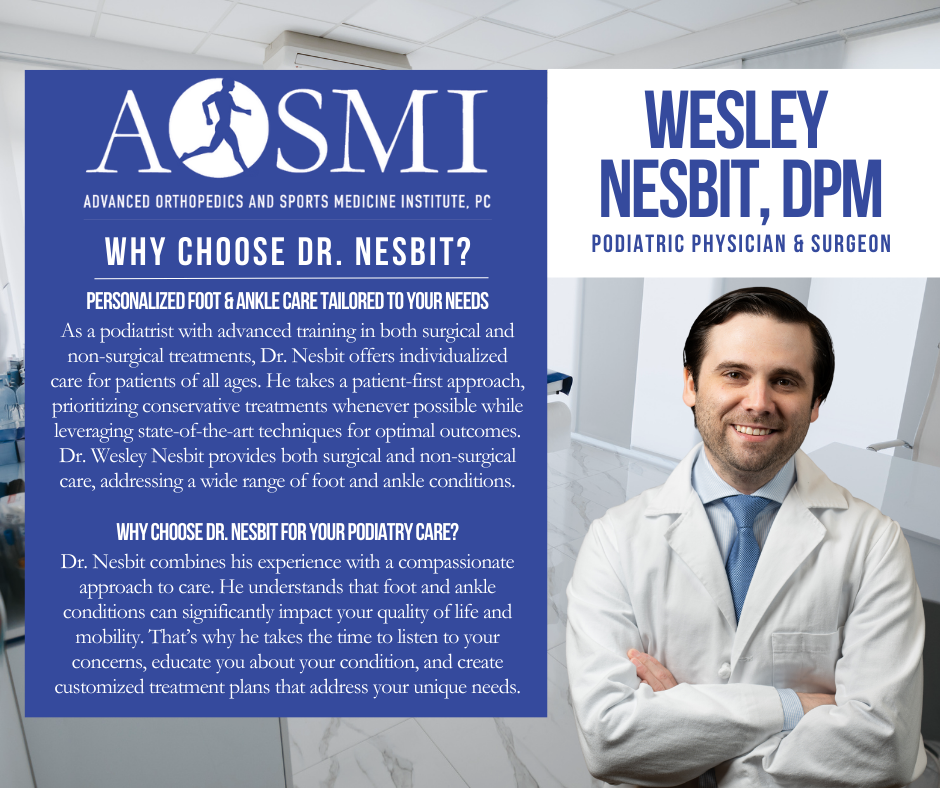
At AOSMI, we are proud to spotlight Dr. Wesley Nesbit, DPM, a board-certified podiatrist and specialist in foot and ankle surgery. Dr. Nesbit brings experience treating a wide range of foot and ankle conditions, from common issues like bunions and plantar fasciitis to complex traumatic injuries and fractures. Whether you’re seeking advanced surgical solutions or non-surgical care, Dr. Nesbit is dedicated to helping you.
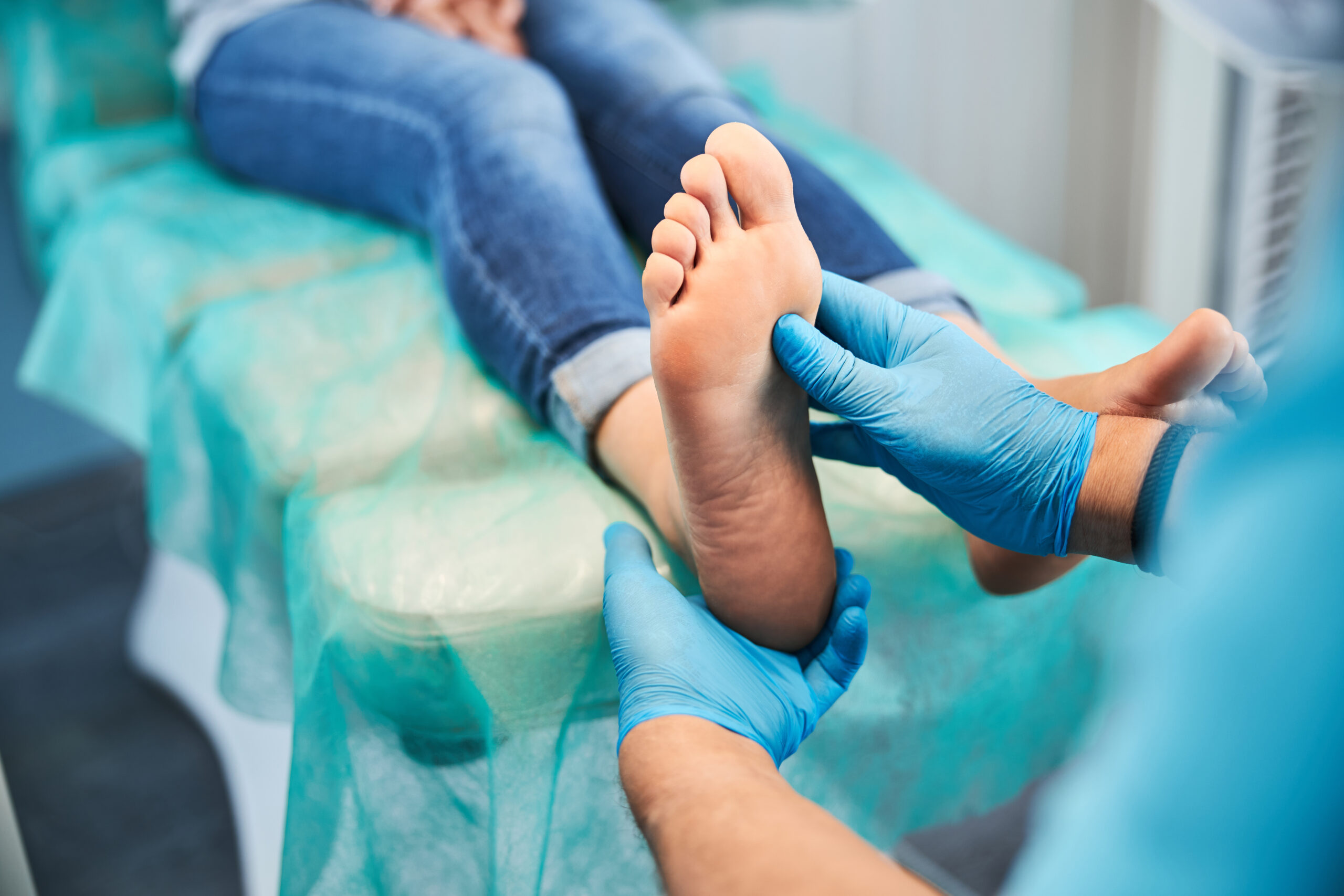
Personalized Foot & Ankle Care Tailored to Your Needs
As a podiatrist with advanced training in both surgical and non-surgical treatments, Dr. Nesbit offers individualized care for patients of all ages. He takes a patient-first approach, prioritizing conservative treatments whenever possible while leveraging state-of-the-art techniques for optimal outcomes.
Common Foot & Ankle Conditions Treated:
- Bunions & Hammertoes: Specialized care for toe deformities causing discomfort and difficulty walking.
- Plantar Fasciitis & Heel Pain: Effective solutions like custom orthotics and advanced procedures to relieve heel pain.
- Sports Injuries: Treatment for ankle sprains, fractures, and tendon or ligament injuries to get athletes back in the game.
- Diabetic Foot Care: Comprehensive management of diabetic foot ulcers, infections, and preventive care to avoid complications.
- Arthritis in the Foot & Ankle: Treatments to manage arthritis pain and restore mobility.
- Nail & Skin Conditions: Treatment for ingrown toenails, warts, fungal toenails, and corns or calluses.
- Flat Feet & Pediatric Deformities: Customized solutions for flat feet, pediatric foot issues, and structural deformities.
Whether you’re experiencing chronic pain, recovering from an injury, or need preventive diabetic foot care, Dr. Nesbit’s personalized his treatment plan for each patient.
Education, Training, & Professional Affiliations
Dr. Nesbit’s advanced training and leadership roles underscore his dedication to podiatry and patient care.
Education & Training:
- Medical School: New York College of Podiatric Medicine
- Residency: Foot & Ankle Reconstructive Surgery, Robert Wood Johnson Trinitas
- Leadership: Chief Resident, Robert Wood Johnson Trinitas Foot & Ankle Reconstructive Surgery Residency
Professional Memberships:
- American College of Foot and Ankle Surgeons (ACFAS)
- American Society of Plastic Podiatric Surgeons
- American Podiatric Medical Association (APMA)
Dr. Nesbit stays active in these professional organizations to remain at the forefront of advancements in podiatric care.
Why Choose Dr. Nesbit for Your Podiatry Care?
Dr. Nesbit combines his experience with a compassionate approach to care. He understands that foot and ankle conditions can significantly impact your quality of life and mobility. That’s why he takes the time to listen to your concerns, educate you about your condition, and create customized treatment plans that address your unique needs.
Comprehensive Treatment Options for Every Need
Dr. Nesbit offers a full range of treatment options, including:
- Custom Orthotics: Relieve foot and heel pain with tailor-made orthotics.
- Minimally Invasive Surgery: Advanced techniques for faster recovery and less downtime.
- Podiatric Specialty Surgical Procedures: ranging from bunions and hammertoes to foot and ankle trauma
- Ankle Bracing & Physical Therapy: Support for sprains, tendonitis, and sports-related injuries.
- Wound Care for Diabetic Ulcers: Prevent infections and promote healing
Schedule an Appointment with Dr. Wesley Nesbit Today
Don’t let foot pain, heel pain, or ankle injuries hold you back from enjoying life. Dr. Wesley Nesbit is now accepting new patients at AOSMI. From preventive care to advanced foot and ankle surgeries, Dr. Nesbit is here to help you!
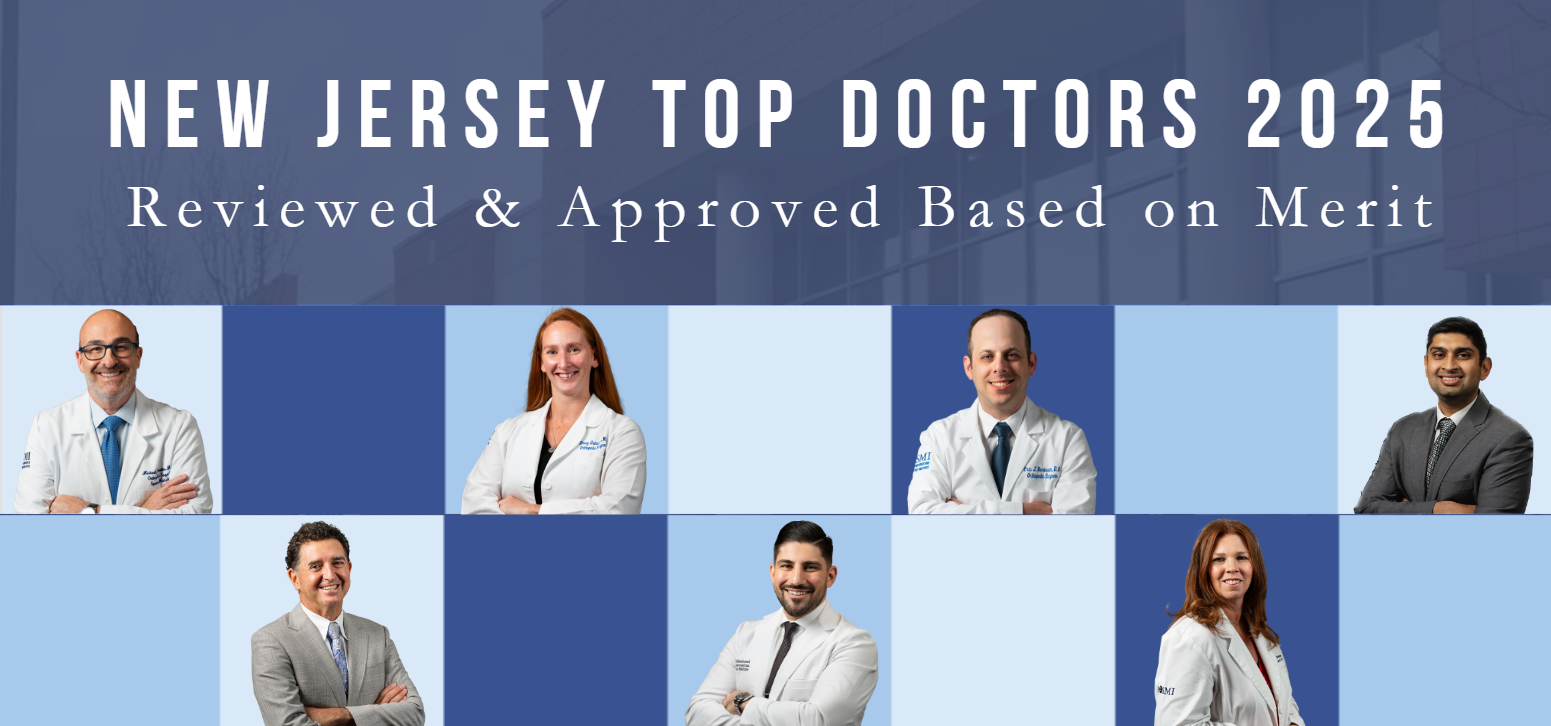
At Advanced Orthopedics and Sports Medicine Institute (AOSMI), we are proud to announce that several of our accomplished orthopedic specialists have been named 2025 New Jersey Top Docs. This recognition highlights their expertise, dedication, and leadership in the fields of orthopedic surgery, sports medicine, pain management, and podiatry.
Honoring Our Award-Winning Orthopedic Specialists
Dr. Michael J. Greller, MD, MBA, CPE, FAAOS
Dr. Michael Greller, a board-certified orthopedic surgeon and fellowship-trained specialist in sports medicine, focuses on joint preservation and minimally invasive techniques. Using advanced procedures like arthroscopy and robotic-assisted surgery, Dr. Greller helps patients recover mobility and improve their quality of life. This recognition underscores his commitment to exceptional care.
Learn more
Dr. Stacey Gallacher, MD, FAAOS
Dr. Stacey Gallacher is a fellowship-trained, board-certified orthopedic surgeon with dual fellowships in Shoulder & Elbow Surgery and Trauma. Her expertise in these specialties, combined with minimally invasive arthroscopic techniques, allows her to deliver exceptional care tailored to each patient’s needs. Her focus on helping patients achieve full recovery and return to active lifestyles has earned her recognition as one of New Jersey’s leading orthopedic surgeons.
Learn more
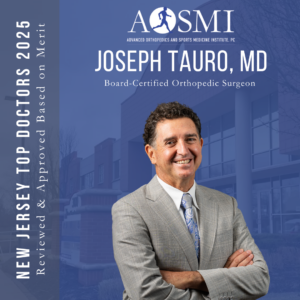
Dr. Joseph Tauro, MD
Renowned for his innovative approaches to arthroscopic surgery and sports medicine, Dr. Joseph Tauro is a board-certified orthopedic surgeon and a pioneer in advanced shoulder repair techniques. His efforts to improve patient outcomes have solidified his place among New Jersey’s Top Docs.
Learn more
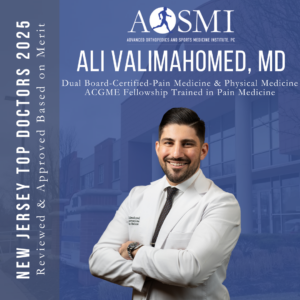
Dr. Ali Valimahomed, MD, FAAPMR
Dr. Ali Valimahomed is a dual board-certified specialist in Pain Medicine and Physical Medicine & Rehabilitation. ACGME fellowship-trained in Pain Medicine, Dr. Valimahomed focuses on non-surgical, minimally invasive treatments to manage pain and restore function. His patient-centered approach ensures effective, personalized care, making him a standout in pain management.
Learn more
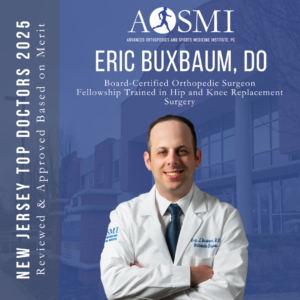
Dr. Eric Buxbaum, DO, FAAOS
Dr. Eric Buxbaum is a board-certified orthopedic surgeon and fellowship-trained specialist in hip and knee replacement surgery. With expertise in advanced arthroscopic procedures and joint preservation techniques, Dr. Buxbaum is dedicated to helping patients recover from injuries and maintain active lifestyles. This recognition reflects his commitment to individualized care and surgical excellence.
Learn more
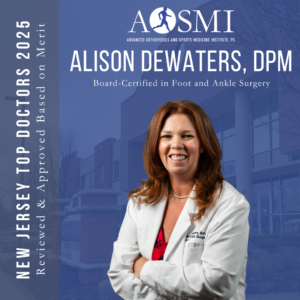
Dr. Alison Dewaters, DPM, FACFAS
Dr. Alison Dewaters is a board-certified podiatric surgeon specializing in foot and ankle care, including reconstructive surgery and sports-related injuries. Her expertise in advanced techniques and dedication to improving mobility and quality of life make her a leader in her field.
Learn more
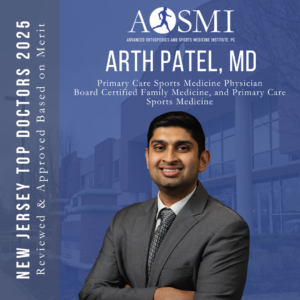
Dr. Arth Patel, MD, MPH
Dr. Arth Patel is a board-certified physician in Family Medicine and Primary Care Sports Medicine. Specializing in non-surgical treatments for musculoskeletal injuries, Dr. Patel is dedicated to restoring function and empowering patients to lead active lives. His expertise and compassionate care have secured his place as one of New Jersey’s top doctors in sports medicine.
Learn more
Why This Recognition Matters
The 2025 New Jersey Top Docs Awards recognize exceptional skill, dedication, and innovation in healthcare. At AOSMI, these awards highlight our physicians’ patient-first approach and commitment to providing cutting-edge care.
This acknowledgment reflects not just their expertise but also the trust patients place in AOSMI for orthopedic and sports medicine needs.
Discover Award-Winning Care at AOSMI
If you’re searching for top-rated orthopedic specialists, pain management doctors, or podiatric surgeons in New Jersey, AOSMI is here to help. Our award-winning team provides comprehensive, patient-centered care designed to help you recover, heal, and thrive.
Discover the expert care recognized by the 2025 New Jersey Top Docs. Visit our website or call us today to schedule an appointment.
Congratulations to our 2025 New Jersey Top Docs – your dedication inspires us all!