
What’s New at AOSMI
Each year, Hand Therapy Week, championed by the American Society of Hand Therapists (ASHT), raises awareness about the vital role of hand therapy in improving lives. Hands are essential to everything we do—from working and creating to caring and connecting. At Advanced Orthopedics & Sports Medicine Institute, we join the celebration by highlighting how our expert hand therapy services help patients regain strength, motion, and independence.
What is Hand Therapy and Why It’s Important
“Hand therapy is the art and science of rehabilitation of the upper limb, which includes the hand, wrist, elbow and shoulder girdle. It is the merging of occupational and physical therapy theory and practice that combines comprehensive knowledge of the structure of the upper limb with function and activity. Using specialized skills in assessment, planning and treatment, hand therapists provide therapeutic intervention to prevent dysfunction, restore function and/or reverse the progression of pathology of the upper limb in order to enhance an individual’s ability to execute tasks and to participate fully in life situations.” Journal of Hand Therapy; 2009(22)361-376), ASHT Scope of Practice; 2011.
Hand Therapy Week encourages everyone to appreciate the healing power of skilled therapy and take proactive steps toward hand health.
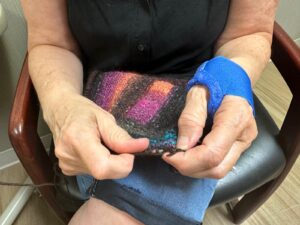
How Our Hand Therapy Services Support Your Recovery
Leah Rubino, MS, OTR, CHT, CLT-LANA, our hand therapist provides personalized, goal-oriented treatment plans designed to:
- Restore mobility and strength after surgery or injury with customized exercises and splinting
- Manage nerve and tendon injuries to relieve pain and improve function
- Reduce swelling to enhance comfort, promote motion, and reduce complications
- Provide arthritis care focused on reducing pain and preserving hand function
- Support return to work and daily activities through adaptive strategies and therapeutic guidance
These services align with the standards promoted by ASHT, emphasizing patient education, evidence-based practice, and compassionate care.
Why Hand Therapy at Advanced Orthopedics and Sports Medicine Institute?
We understand that each hand injury or condition is unique. That’s why our therapists develop individualized treatment approaches tailored to your lifestyle and goals. With state-of-the-art techniques and ongoing education, we aim to maximize your recovery and help you return to the activities you love.
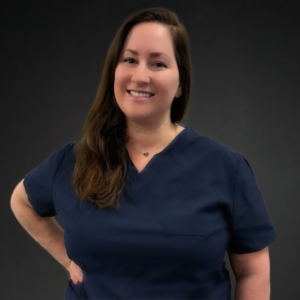 Meet Leah Rubino, Certified Hand Therapist
Leah Rubino is an experienced occupational therapist with dual board certification, as a Certified Hand Therapist (CHT) and Lymphology Association of North America Certified Lymphedema Therapist (CLT-LANA). Her expertise and compassionate care ensure patients receive the highest level of personalized treatment, helping them regain optimal hand function and improve their quality of life.
Celebrate Hand Therapy Week by Prioritizing Your Hand Health
If you’re experiencing pain, stiffness, or weakness in your hands or wrists, now is the time to seek help. Discover how our hand therapy program can support your recovery. Visit our Occupational and Hand Therapy page to learn more or schedule an appointment.
 April is recognized as Occupational Therapy Month, an opportunity to spotlight the essential role occupational therapy plays in orthopedic rehabilitation. At Advanced Orthopedics and Sports Medicine Institute (AOSMI), we proudly offer in-house care from a licensed occupational therapist who specializes in treating orthopedic injuries, upper extremity conditions, and post-surgical rehabilitation.
The Role of Occupational Therapy in Orthopedics
Occupational therapy focuses on helping individuals return to meaningful daily routines by improving strength, mobility, coordination, and independence. In an orthopedic setting, this includes hand therapy, custom splinting, joint protection techniques, and task-specific training following surgery or injury.
At AOSMI, our occupational therapist works with patients facing:
- Hand, wrist, and elbow injuries
- Post-surgical joint stiffness
- Arthritis-related joint pain
- Nerve compression syndromes (e.g., carpal tunnel)
- Repetitive strain or overuse injuries
By addressing function and mechanics, occupational therapy supports the rehabilitation process and helps patients transition back to activities.
Upper Extremity Therapy and Custom Splinting
One of the primary focuses of occupational therapy in an orthopedic setting is upper extremity rehabilitation. At AOSMI, our occupational therapist designs custom treatment plans for patients recovering from fractures, tendon repairs, ligament injuries, and joint replacements. Custom splint fabrication is often used to protect healing structures, reduce pain, and support functional movement.
Whether someone is adjusting after surgery or managing a chronic condition, occupational therapy provides strategies to adapt daily tasks and promote independence.
Integrated Orthopedic and Therapy Services at AOSMI
At AOSMI, occupational therapy is part of our integrated orthopedic care model. Our occupational therapist collaborates with orthopedic surgeons, physical therapists, and pain management specialists to support patients throughout their treatment plan. This team-based approach promotes strength, mobility, and long-term function.
Interested in occupational therapy for orthopedic conditions?
AOSMI provides customized therapy services to support movement, independence, and quality of life.
Contact our office to learn more!
At Advanced Orthopedics and Sports Medicine Institute (AOSMI), Administrative Professionals Day is a time to recognize the incredible individuals who support the day-to-day operations of the practice and contribute to exceptional patient care. The administrative professionals at AOSMI facilities play a vital role in creating a seamless, welcoming, and efficient experience for every patient who walks through the doors.
The Backbone of Orthopedic Practice Operations
The administrative professionals at AOSMI facilities perform essential tasks across six locations, enabling providers to focus on delivering outstanding orthopedic care. Their responsibilities include:
- Dedicated Phone Support – Guiding patients with clarity and compassion during every call.
- Secretaries – Managing appointment flow and ensuring timely provider access.
- Front Desk Teams – Overseeing check-in and check-out processes for a smooth visit.
- Appointment Scheduling & Coordination – Matching provider availability with patient needs.
- Insurance Verification & Support – Handling benefit authorizations and patient questions.
- Revenue Cycle Management – Ensuring billing transparency and effective collections.
- Operations Leaders – Driving efficiencies that enhance patient service.
Enhancing the Patient Experience
From the first interaction to final follow-ups, the administrative teams at AOSMI are instrumental in shaping the overall patient journey. Their attention to detail, responsiveness, and commitment to service excellence help make each visit a positive experience patients can rely on.
A Message of Gratitude
This Administrative Professionals Day, AOSMI extends its heartfelt appreciation to the professionals working behind the scenes. Their unwavering dedication and skill are vital to the ongoing success of the institute and the well-being of those it serves.
We asked Dr. Thomas A. Del Guercio, our dual board-certified specialist in Pain Medicine and Physical Medicine & Rehabilitation who completed fellowship training in Interventional Pain Medicine, for his thoughts on the connection between nutrition and managing pain. Read on to hear what Dr. Del Guercio had to say, along with his valuable insights and practical tips on this important topic.
March is National Nutrition Month – a perfect time to explore how food can support your overall health and wellness. Tune in to see how nutrition can help manage pain, and he shared some helpful insights. From reducing inflammation to supporting recovery, the right food choices can make a real difference in how you feel each day.
Boost Energy and Recovery with the Right Foods

Your body needs a balance of carbs, protein, and healthy fats to stay strong. Eating whole foods like lean proteins, leafy greens, and whole grains can improve endurance, speed up recovery, and reduce injury risks. Staying hydrated and avoiding processed foods also helps keep energy levels steady. Learn more about how sports nutrition can fuel performance and recovery.
Nutrition’s Role in Managing Pain
Certain foods can fight inflammation and ease chronic pain. Omega-3-rich foods like fish, nuts, and seeds help reduce swelling, while too much sugar and processed food can make pain worse. Eating a variety of nutrient-dense foods supports joint health and mobility, making movement easier. AOSMI’s chronic pain and nutrition article explains how food choices impact pain levels.
Simple Nutrition Tips for Better Health
Nutrition tips offer easy ways to improve your diet:
- Drink More Water – Stay hydrated for better digestion and energy.
- Eat Whole Foods – Focus on fruits, vegetables, lean proteins, and whole grains.
- Stay Active – Exercise combined with good nutrition strengthens your body.
- Get Enough Sleep – Rest helps your body absorb nutrients and recover.
- Manage Stress – High stress can lead to poor eating habits.
A Whole-Body Approach to Wellness
Nutrition is a key part of recovery and long-term health. Our Integrative Wellness Center offers meal planning, weight management, and nutritional guidance to support your goals.
 This National Nutrition Month, take small steps to improve your diet. Whether recovering from an injury, managing pain, or looking to boost energy, better nutrition leads to better health. Visit AOSMI’s Wellness Program for more tips on healthy living.
Reviewed by Dr. Thomas A. Del Guercio
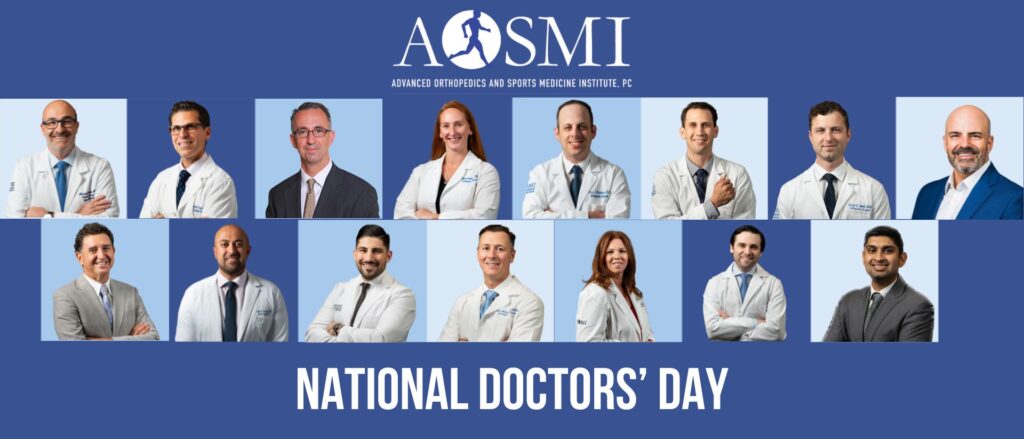
Today, in recognition of National Doctors’ Day, we proudly shine a spotlight on the dedicated team of physicians at the Advanced Orthopedics and Sports Medicine Institute (AOSMI). These physicians bring a deep commitment to patient care, innovation, and excellence in musculoskeletal care and medicine.
Whether it’s guiding patients through recovery, performing complex surgeries, or providing thoughtful, personalized care, our doctors play a critical role in improving lives and restoring mobility.
Want to show your appreciation? Leave a review!
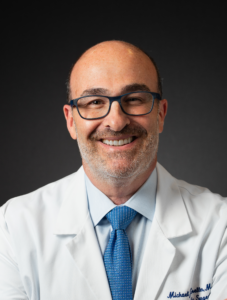
Dr. Michael J. Greller, MD, MBA, CPE, FAAOS
Dr. Greller is a board-certified orthopedic surgeon with fellowship training in sports medicine. He specializes in minimally invasive surgery of the shoulder, knee, hip, and ankle, incorporating arthroscopy and robotic-assisted techniques to support improved recovery and mobility.
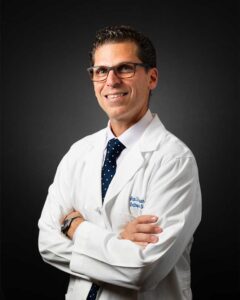
Dr. Alan S. Nasar, MD, FAAOS
Dr. Nasar is fellowship-trained in joint replacement surgery and performs minimally invasive total joint replacements, complex revision surgeries, and arthroscopy. His engineering background supports a comprehensive approach to joint design and biomechanics.
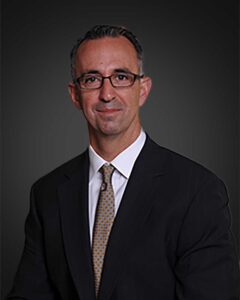
Dr. Gerardo Goldberger, DO, FAOAO
Board-certified in orthopedic surgery, Dr. Goldberger is known for treating endurance athletes and active individuals. With a dual foundation in orthopedic medicine and physical education, he approaches care with a strong understanding of movement and performance.
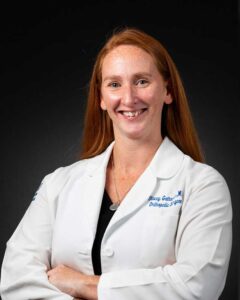
Dr. Stacey Gallacher, MD, FAAOS
Dr. Gallacher specializes in shoulder and elbow surgery and is fellowship-trained in upper extremity procedures. She uses arthroscopic and minimally invasive techniques to support a return to activity for patients of all ages.
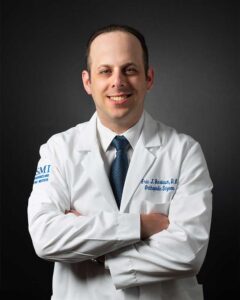
Dr. Eric Buxbaum, DO
Dr. Buxbaum is fellowship-trained in hip and knee replacement, offering minimally invasive joint replacements and complex revisions. He focuses on restoring mobility and function while aiming to minimize recovery time.
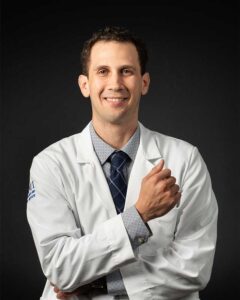
Dr. Justin Elkrief, DO
Fellowship-trained in orthopedic spine surgery, Dr. Elkrief treats herniated discs, scoliosis, spinal stenosis, and degenerative spine disorders, with a focus on motion preservation and minimally invasive surgical options.
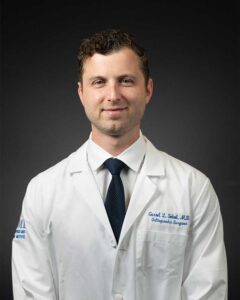
Dr. Garret L. Sobol, MD
Dr. Sobol is board-certified and fellowship-trained in sports medicine, specializing in arthroscopic procedures for treating ligament injuries, cartilage damage, and joint instability.
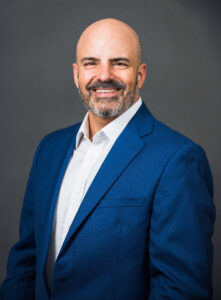
Dr. Edward J. Armbruster, DO, MBA
Dr. Armbruster is a fellowship-trained hand and upper extremity surgeon treating injuries and chronic conditions affecting the hand, wrist, and elbow, with both surgical and conservative methods.
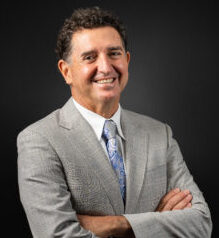
Dr. Joseph Tauro, MD
Dr. Tauro is widely recognized for pioneering work in arthroscopic surgery and shoulder repair. He continues to advance surgical techniques that improve outcomes in orthopedic sports medicine.
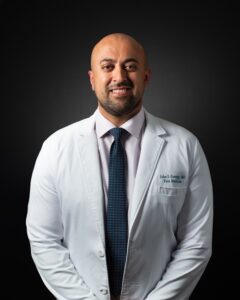
Dr. John S. Georgy, MD, MBA
Dr. Georgy is fellowship-trained in pain management, using a multidisciplinary approach to address chronic pain, spinal conditions, and joint issues with customized treatment plans.
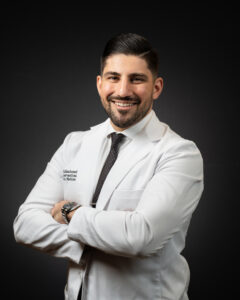
Dr. Ali Valimahomed, MD, FAAPMR
Board-certified in pain medicine and physical medicine & rehabilitation, Dr. Valimahomed offers non-surgical, minimally invasive treatments for musculoskeletal conditions. He completed his fellowship at Harvard.
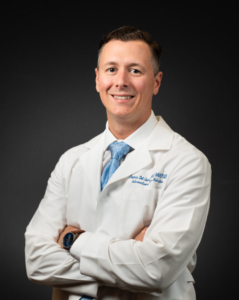
Dr. Thomas A. Del Guercio, MD
Dr. Del Guercio provides non-invasive pain management and is board-certified in both pain medicine and rehabilitation medicine. He develops individualized care plans for patients with chronic pain.
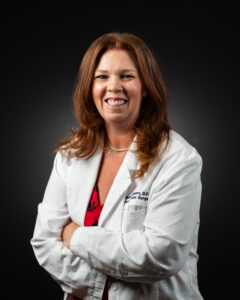
Dr. Alison DeWaters, DPM, FACFAS
Dr. DeWaters is a podiatric foot and ankle surgeon with board certification. Her services include diabetic foot care, ulcer management, orthotics, and surgical correction of foot deformities.
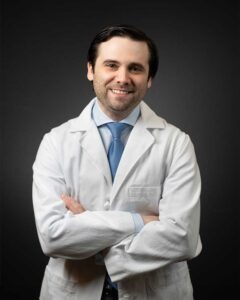
Dr. Wesley Nesbit, DPM
Dr. Nesbit is a podiatric physician and surgeon who treats conditions ranging from bunions and heel pain to traumatic fractures, using both surgical and conservative treatment options.
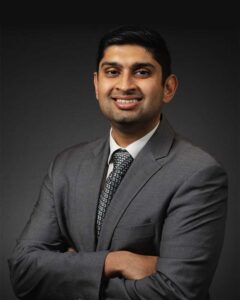
Dr. Arth Patel, MD, MPH
Dr. Patel is board-certified in family medicine and primary care sports medicine. He focuses on non-surgical musculoskeletal care, including injury prevention, rehabilitation, and return-to-play decisions.
As we celebrate National Doctors’ Day, we extend heartfelt thanks to each of these physicians for their dedication, compassion, and contributions to the field of orthopedic care.