
EPAT Shockwave Therapy in New Jersey
Your Top Choice for EPAT Shockwave Therapy in Freehold, NJ
If you’re living with an orthopedic condition that has not improved with conservative treatment, Advanced Orthopedics and Sports Medicine Institute may recommend EPAT shockwave therapy as part of your care plan. Since 2007, AOSMI has provided orthopedic and sports medicine care throughout New Jersey and surrounding communities, offering non-surgical treatment options designed to support movement, function, and recovery.
EPAT therapy, also known as extracorporeal pulse activation technology or acoustic wave therapy, uses acoustic pressure waves to stimulate circulation and support the body’s natural healing response in damaged soft tissue. Doctors may recommend this treatment for chronic tendon conditions, plantar fasciitis, shin splints, repetitive stress injuries, and other musculoskeletal conditions that continue to interfere with daily activity or exercise.
Conditions Commonly Associated With EPAT Therapy
- Plantar fasciitis and chronic heel conditions
- Achilles tendon conditions
- Tennis elbow and repetitive stress injuries
- Shin splints and overuse conditions
- Foot and ankle conditions
- Tendon-related soft tissue injuries
What Is EPAT Shockwave Therapy?
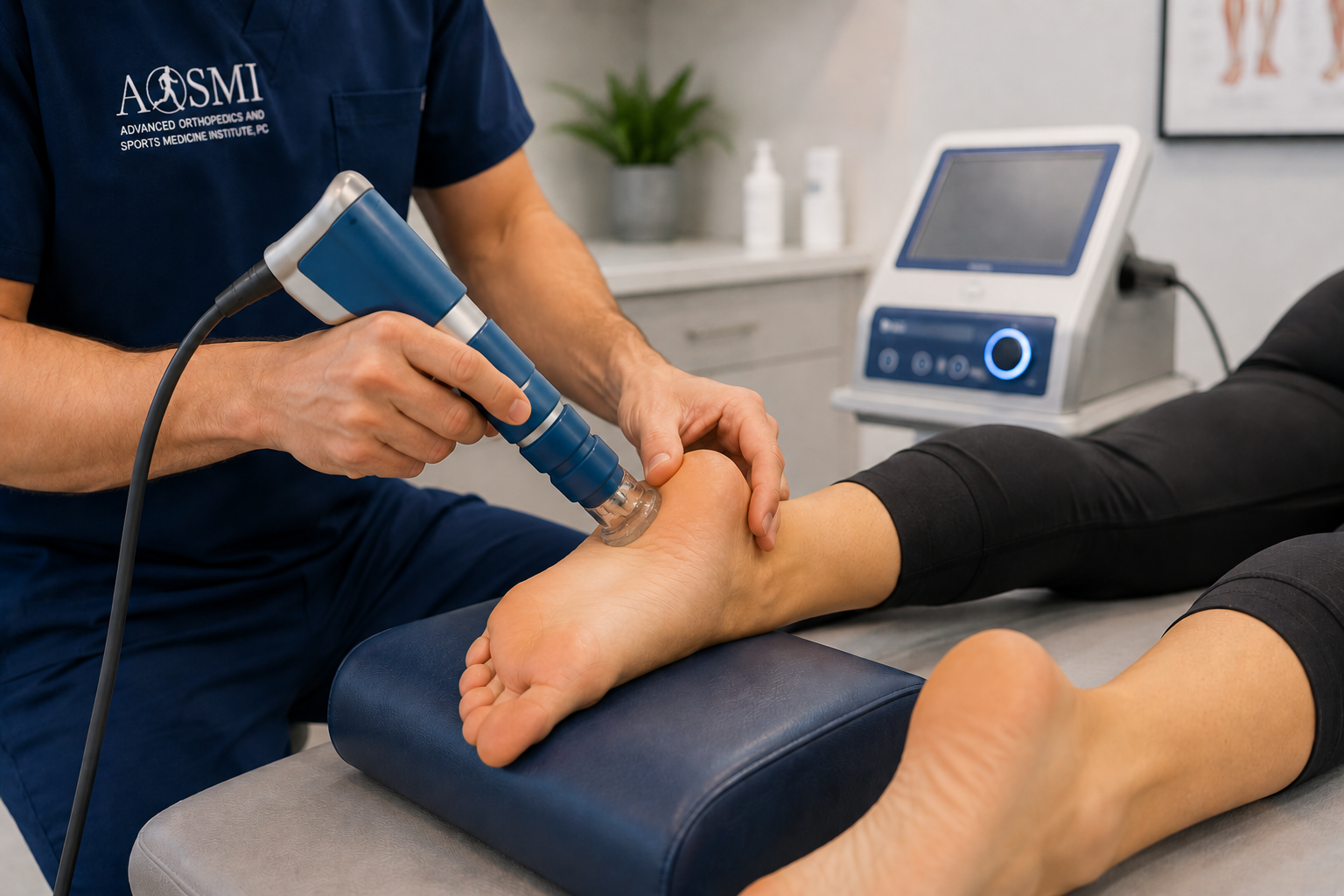
Providers direct high-energy acoustic pressure waves toward the affected area during EPAT shockwave therapy. These soundwaves stimulate circulation and support tissue recovery in areas experiencing chronic irritation or soft tissue dysfunction.
Providers consider EPAT a non-invasive treatment because it does not involve surgery or anesthesia. Providers typically complete sessions within about five to ten minutes, and many patients are able to return to normal daily activities afterward.
Additionally, EPAT therapy continues to gain attention because it may provide a non-surgical option for patients exploring conservative orthopedic treatment approaches before considering more invasive procedures.
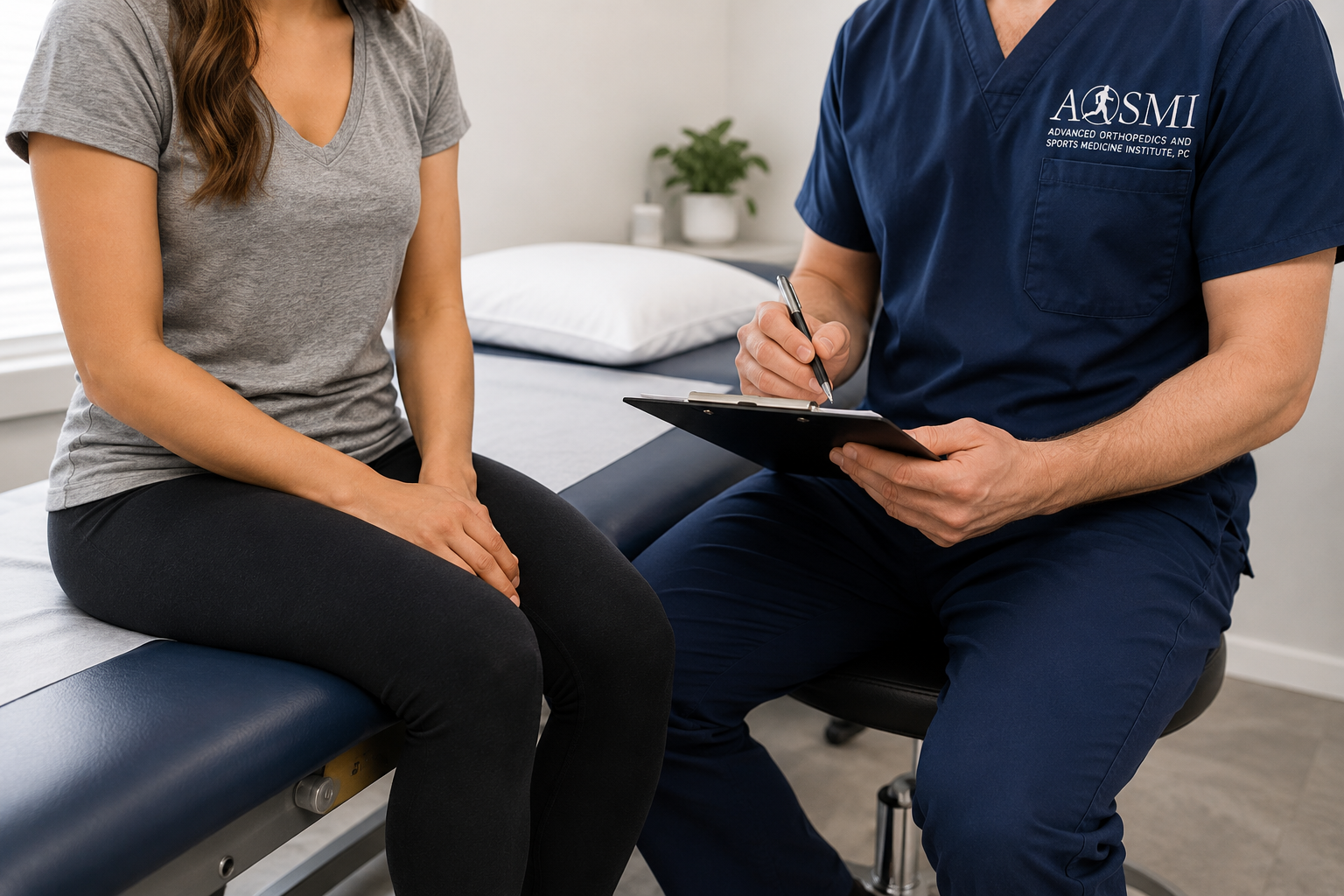
How Does EPAT Therapy Work?
Additionally, EPAT therapy works by delivering acoustic pressure waves into affected tissue. These waves stimulate circulation and cellular activity within the treatment area, which may support the body’s natural healing response over time.
For example, some chronic tendon and soft tissue conditions may involve reduced circulation or slower tissue recovery. Orthopedic and sports medicine providers commonly incorporate EPAT therapy into broader treatment plans designed to support mobility and function while helping patients remain active.
Can EPAT Help Plantar Fasciitis?
Additionally, Plantar fasciitis is one of the most common conditions associated with EPAT shockwave therapy. This condition irritates the thick band of tissue along the bottom of the foot and may cause ongoing heel discomfort, stiffness, or soreness during walking and activity.
Doctors may recommend EPAT therapy when symptoms continue despite stretching, orthotics, activity modification, or other conservative treatment approaches. Because plantar fasciitis can affect both athletic performance and daily movement, many patients seek treatment options that do not involve surgery or extended downtime.
What Symptoms May Be Associated With Chronic Soft Tissue Conditions?
Chronic tendon and soft tissue conditions can affect movement, exercise, and everyday activities in different ways depending on the area involved. Some patients notice symptoms that gradually worsen over time, while others notice discomfort that becomes more noticeable during activity or repetitive motion.
Common symptoms may include stiffness, tenderness, soreness with movement, foot or ankle discomfort, muscle fatigue, or irritation that continues despite rest and conservative care.
Is EPAT Therapy Painful?
However, some patients experience mild discomfort during EPAT therapy depending on the treatment area and the severity of the condition being treated. However, sessions are generally well tolerated and are typically brief.
Meanwhile, treatment plans vary by patient, and some individuals may require multiple sessions over several weeks as part of their overall treatment approach.

What Are the Benefits of EPAT Shockwave Therapy?
Providers commonly use EPAT therapy because it offers a non-surgical treatment option that does not require anesthesia or surgical incisions. Many patients are interested in treatment approaches that may support recovery while allowing them to maintain normal daily activity levels.
Potential benefits of EPAT therapy may include:
- Non-invasive treatment approach
- No anesthesia required
- Minimal downtime following treatment
- Support for chronic tendon and soft tissue conditions
Because every condition is different, providers customize treatment recommendations and expected outcomes for each patient.
What Is the Difference Between EPAT and Shockwave Therapy?
EPAT therapy and shockwave therapy are often used interchangeably because both treatments use acoustic pressure waves designed to stimulate activity within soft tissue. Some providers may use different terminology depending on the technology or treatment approach being used.
Patients searching for EPAT therapy, acoustic wave therapy, or shockwave therapy are often referring to similar non-surgical orthopedic treatment technologies used for chronic tendon and musculoskeletal conditions.
How Long Does EPAT Treatment Take?
Most EPAT treatment sessions take approximately five to ten minutes, although treatment times may vary depending on the area being treated and the condition involved.
Some patients may undergo multiple sessions as part of their broader treatment plan.
What to Expect During EPAT Treatment
Orthopedic and podiatry providers typically perform EPAT therapy in outpatient settings. During treatment, providers place a handheld device against the affected area to deliver acoustic pressure waves into the tissue.
Providers adjust treatment recommendations and activity guidelines based on the condition being treated, the patient’s symptoms, and their overall care plan.
Frequently Asked Questions About EPAT Therapy
What is EPAT shockwave therapy used for?
EPAT therapy may be considered for chronic tendon conditions, plantar fasciitis, overuse injuries, and certain musculoskeletal conditions.
Is EPAT therapy considered surgery?
No. EPAT therapy is considered a non-surgical treatment.
Can EPAT help chronic tendon conditions?
EPAT therapy may be used as part of a broader treatment plan for certain chronic tendon and soft tissue conditions.
- Heel pain (plantar fasciitis)
- Achilles tendon pain near the back of the ankle
- Tennis elbow
- Golfer’s elbow
- Knee tendon pain (“jumper’s knee”)
- Shoulder pain from irritated tendons
- Chronic hip pain on the outside of the hip
- Shin splints
- Tight or strained muscles
- Ongoing soft tissue pain that hasn’t improved with rest or therapy
- Trigger points or “knots” in muscles
- Long-lasting tendon pain from overuse or repetitive motion
Request an Appointment
To learn more about EPAT shockwave therapy and whether it may be appropriate for your condition, contact Advanced Orthopedics and Sports Medicine Institute to request an appointment. AOSMI provides orthopedic and sports medicine care for patients throughout Freehold, Monroe Township, Toms River, Belmar, Manalapan, and surrounding New Jersey communities.
Find your Provider
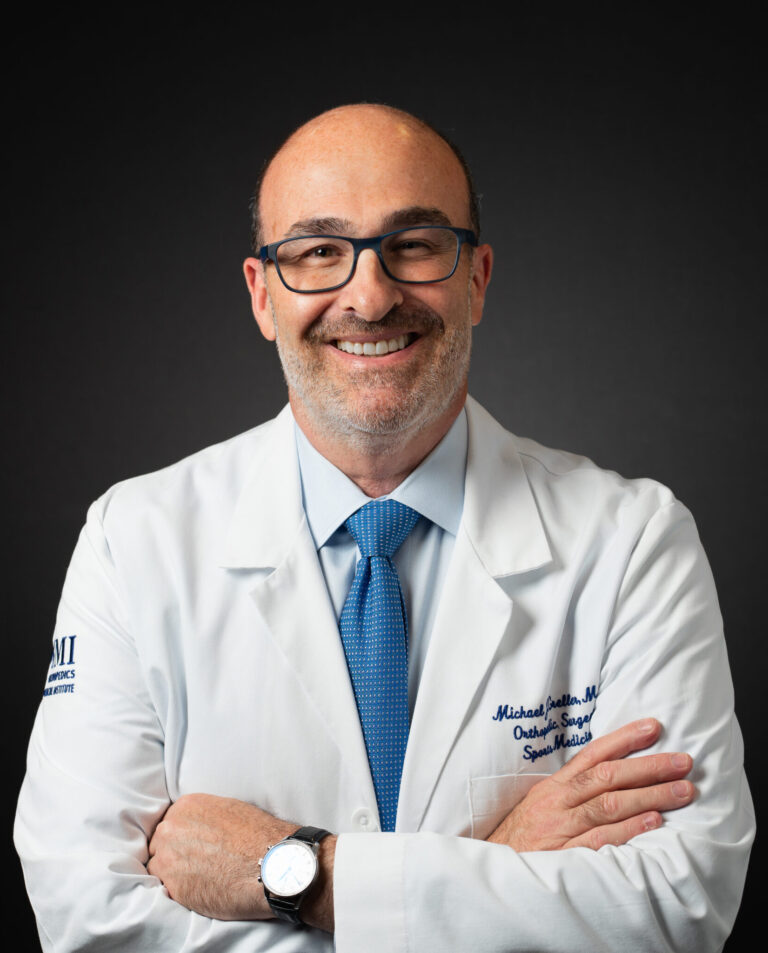 Michael J. Greller, MD, MBA, CPE, FAAOS
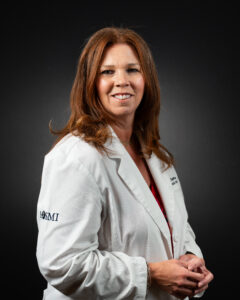 Alison DeWaters, DPM, FACFAS
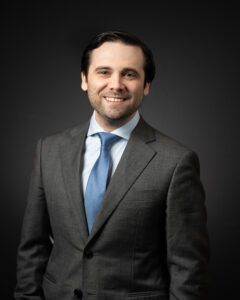 Wesley Nesbit, DPM
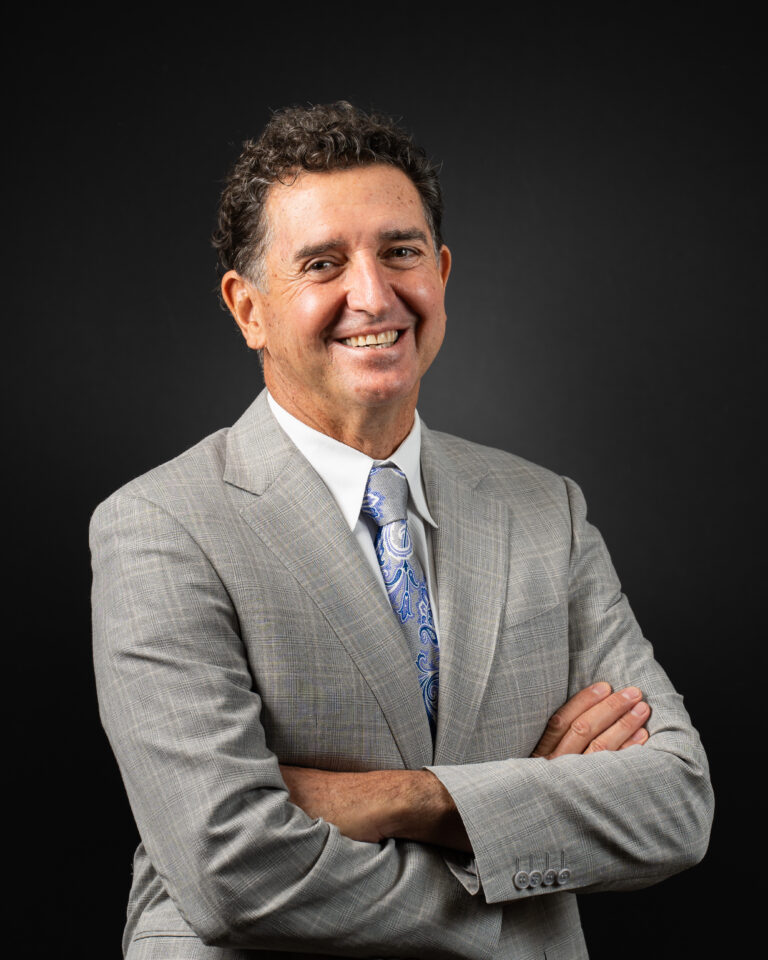 Joseph Tauro, MD
This content is intended for educational purposes only and should not be considered medical advice, diagnosis, or treatment. Always consult a qualified healthcare professional regarding your individual condition and treatment options.