

Summer activities like running, pickleball, swimming, cycling, and youth sports can place extra stress on muscles and joints during hot weather. Heat, humidity, dehydration, and sudden increases in activity may contribute to muscle strains, joint pain, overuse injuries, and heat-related illness.
Orthopedic providers at Advanced Orthopedics and Sports Medicine Institute (AOSMI) commonly evaluate sports injuries, tendon irritation, fractures, and heat-related activity injuries during the summer months in Monmouth County. Staying hydrated, wearing supportive footwear, pacing activity levels, and recognizing early warning signs may support safer outdoor activity during the summer months.
Common Summer Sports and Heat-Related Concerns
- Heat exhaustion and dehydration symptoms during outdoor exercise
- Running injuries and joint pain in hot weather
- Pickleball, swimming, and youth sports injuries during summer
- Heat safety concerns for seniors and active adults
Why Hot Weather Can Increase Muscle and Joint Pain
Hot weather can affect how muscles, tendons, and joints perform during activity. As the body loses fluid through sweating, muscles may fatigue more quickly and joints may feel stiffer during movement.
Many people notice increased soreness, cramping, or reduced endurance when exercising in high heat and humidity. Fatigue may also affect balance, coordination, and movement mechanics, which can increase the risk of strains, sprains, and overuse injuries.
Dehydration may also reduce joint lubrication, especially in weight-bearing joints like the knees and hips. This can make repetitive activities like running, hiking, and pickleball more uncomfortable during summer months.

What Are the Symptoms of Heat Exhaustion vs. Heat Stroke?
Heat exhaustion and heat stroke are serious heat-related conditions that require immediate attention. Recognizing symptoms early may help people respond more quickly to heat-related illness.
| Heat Exhaustion | Heat Stroke |
| Heavy sweating | Hot, dry skin |
| Muscle cramps | Confusion or disorientation |
| Weakness or dizziness | Loss of consciousness |
| Nausea or fatigue | Body temperature above 103°F |
| Requires cooling and hydration | Medical emergency requiring 911 |
Heat stroke is a medical emergency. If someone develops confusion, stops sweating, loses consciousness, or has a very high body temperature, call 911 immediately.
Can Dehydration Cause Muscle Cramps and Joint Pain?
Hydration is important for more than thirst control. Water supports circulation, temperature regulation, and joint lubrication during physical activity.
When dehydration develops, blood flow to muscles may decrease, contributing to fatigue and slower recovery. Athletes and active adults may notice reduced endurance, cramping, or increased soreness.
Hydration also supports healthy movement mechanics during exercise. Drinking enough fluids may support muscle and joint function during repetitive activities like running, cycling, swimming, and court sports.
Hydration Recommendations During Summer Activity
| Activity Phase | Suggested Hydration Strategy |
| Before exercise | Drink water 2–3 hours before activity |
| During exercise | Drink fluids regularly during activity |
| After exercise | Replace fluids lost through sweating |
| High humidity days | Increase hydration frequency |
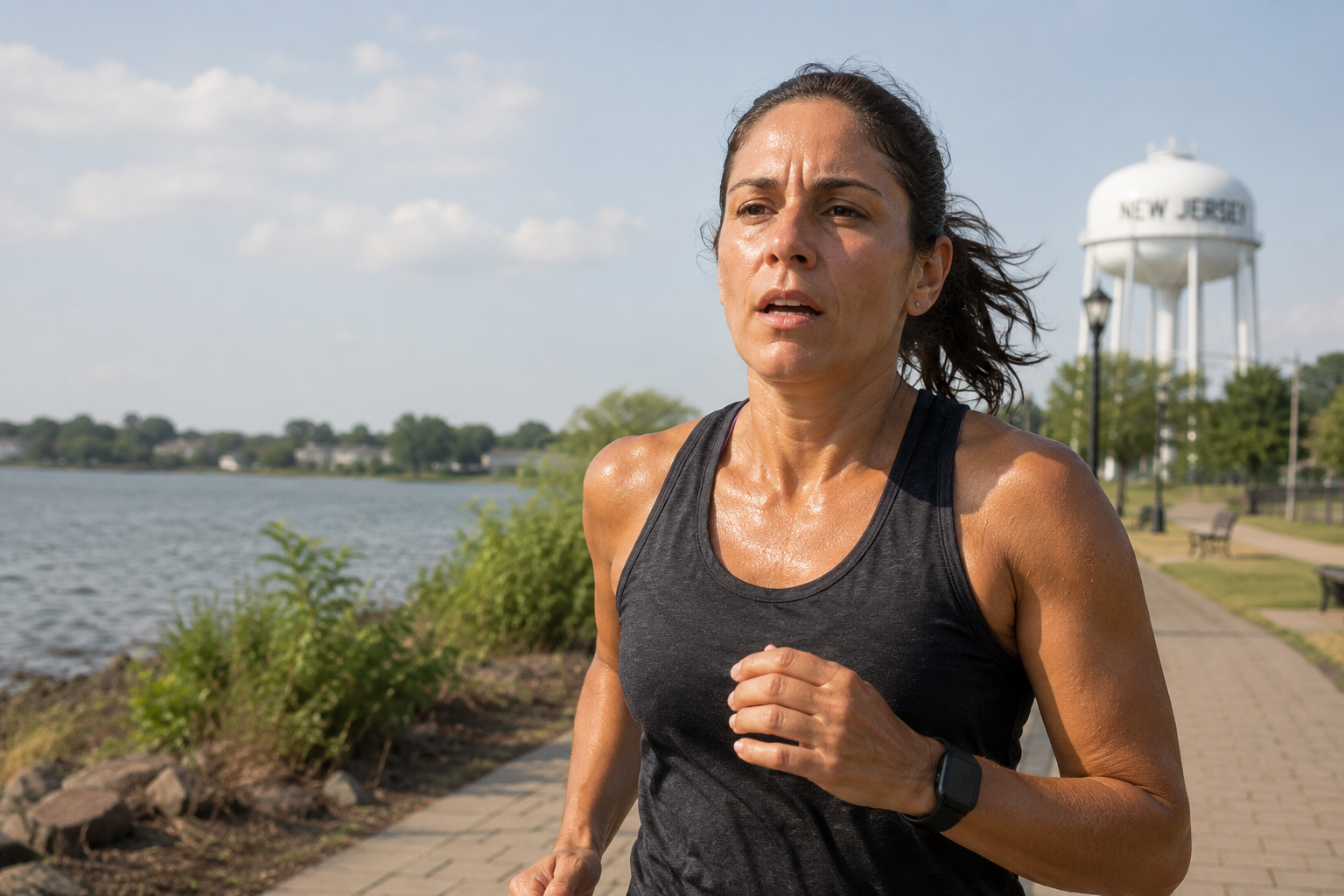
Why Running in Hot Weather Can Increase Injury Risk
Running in extreme heat may increase stress on muscles, tendons, and joints. As body temperature rises, running form can change due to fatigue, which may contribute to conditions like runner’s knee, IT band irritation, shin splints, or calf strains.
Tips for Running in Extreme Heat
- Running during cooler morning or evening hours
- Choosing shaded routes when possible
- Gradually increasing mileage and intensity
- Replacing worn running shoes regularly
Runners should stop activity immediately if they experience dizziness, nausea, confusion, chest pain, or severe cramping.
What Injuries Are Common During Pickleball Season?
Pickleball has become increasingly popular among active adults and older athletes throughout Monmouth County. Although it is considered lower impact than some sports, pickleball still places repetitive stress on the shoulders, elbows, knees, and Achilles tendon.
Common Pickleball Injuries
- Tennis or pickleball elbow
- Rotator cuff irritation
- Meniscus injuries
- Achilles tendon strain
Supportive footwear, dynamic warm-ups, hydration, and recovery days may support safer movement during frequent play.
Why Older Adults Are More Vulnerable to Heat-Related Injuries
Older adults may be more sensitive to heat because the body becomes less efficient at temperature regulation with age. Certain medications may also increase dehydration risk or sun sensitivity.
Seniors who remain active during summer should consider exercising during cooler hours, staying hydrated, and wearing supportive footwear during outdoor activities.
Why Flip-Flops Can Increase Fall Risk
For many, hot weather brings on the desire to wear open shoes. Flip-flops and unsupportive sandals may contribute to instability during walking. Orthopedic specialists frequently see summer foot and ankle complaints related to poor footwear support.
Problems Linked to Unsupportive Footwear
- Balance issues and falls
- Plantar fasciitis
- Achilles tendon irritation
- Increased knee or back discomfort
Athletic-style sandals with heel support and adjustable straps may provide additional support and stability during summer activities.
Why Summer Sports Tournaments Increase Injury Risk for Young Athletes
Summer tournaments and sports camps often involve repeated games and high activity levels over short periods of time. Sudden increases in training intensity may contribute to overuse injuries in young athletes.
Common Youth Sports Injuries During Summer
- Pediatric fractures
- ACL injuries
- Shin splints
- Osgood-Schlatter disease
Parents and coaches should encourage hydration, proper rest, gradual conditioning, and recovery time between games and practices.
Summer Water Safety and Swimming Tips
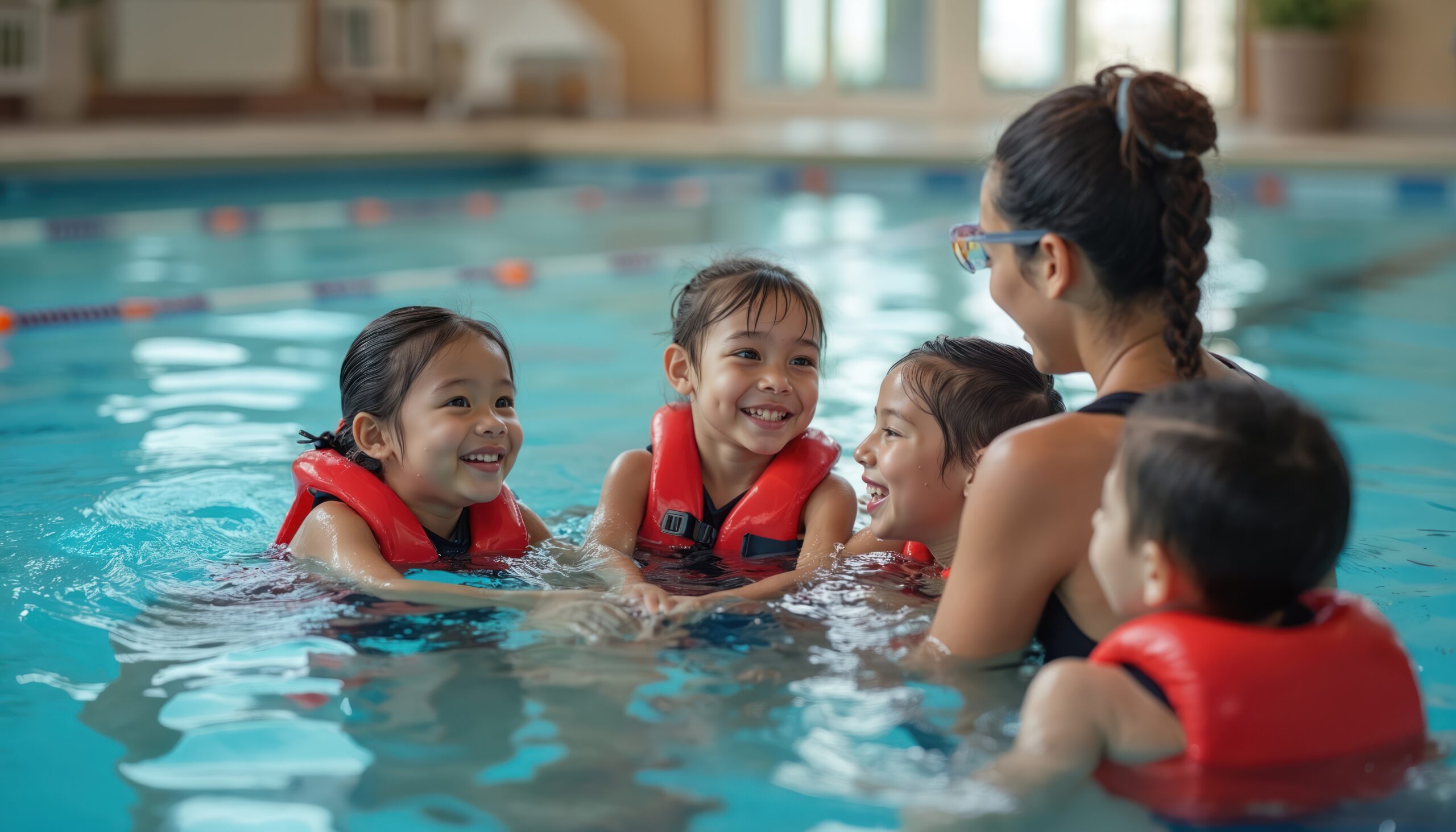
Swimming and water recreation remain popular summer activities, but water-related injuries and emergencies still occur each year.
Children should always be supervised around pools, lakes, and beaches. Adults should avoid swimming alone and remain aware of changing water conditions.
Pool areas may also create slip-and-fall concerns because wet surfaces reduce traction. Supportive footwear and careful movement around pool decks may support safer movement.
When Should You See an Orthopedic Specialist?
Medical evaluation may be appropriate if pain, swelling, weakness, or instability develops after summer activity or heat exposure.
Signs an Orthopedic Evaluation May Be Needed
- Fractures or ligament injuries
- Persistent joint pain
- Overuse injuries
- Heat-related muscle complications
Seek immediate medical attention for symptoms such as confusion, loss of consciousness, chest pain, severe dehydration, or inability to bear weight.
Frequently Asked Questions
How hot is too hot to exercise outside?
Generally, if the temperature reaches 90°F (32°C) or the humidity pushes the heat index above 90°F, you should move workouts indoors. High humidity prevents sweat from evaporating, making it impossible for your body to cool down efficiently.
What are the essential pool safety rules for kids?
- No running on pool decks: Slips lead to severe fractures and concussions.
- Feet-first entries only: Never dive in shallow water; neck and spine injuries are catastrophic.
- Constant supervision: A designated “Water Watcher” must be present without distractions.
Can dehydration affect joints and muscles?
Yes. Dehydration may contribute to muscle fatigue, cramping, reduced athletic performance, and increased stress on joints during repetitive activity.
What are common summer orthopedic injuries?
Common summer orthopedic injuries may include sprains, fractures, tendon irritation, runner’s knee, rotator cuff injuries, shin splints, and pickleball-related injuries.
How can seniors exercise safely in hot weather?
Seniors should avoid outdoor exercise during peak sun hours (10 AM – 4 PM). Focus on low-impact, air-conditioned activities or water-based exercises that relieve joint pressure while keeping the body cool. Seniors must also drink water before they feel thirsty, as the thirst mechanism weakens with age.
When should I see a doctor for a summer sports injury?
Seek immediate orthopedic care if you experience: inability to bear weight on a limb, severe swelling within 30 minutes of the injury, visible deformity in a joint, or severe pain that doesn’t subside with rest and ice. For minor sprains, use the R.I.C.E method, but if pain persists beyond a few days, schedule an evaluation.
When to Seek Orthopedic Care After Summer Exercise or Sports Injuries
Heat, humidity, overuse, and sudden increases in activity may place added stress on muscles, joints, tendons, and ligaments during the summer months. Some symptoms may improve with rest and hydration, while others may require medical evaluation.
At Advanced Orthopedics and Sports Medicine Institute (AOSMI), providers offer orthopedic care, spine care, podiatry, pain management, rehabilitation, joint replacement care, and sports medicine services for patients throughout Freehold, Monroe, Toms River, Belmar, North Bergen, and Manalapan.
Rehabilitation services include physical therapy, chiropractic care, occupational therapy, women’s physical therapy, and vestibular balance therapy.
If summer activity leads to persistent pain, swelling, instability, reduced mobility, or heat-related complications, request an appointment online or contact the appropriate department below.
Physicians Department: 732-720-2555
Rehabilitation Department: 732-720-2566